Herbal & Flower Teas
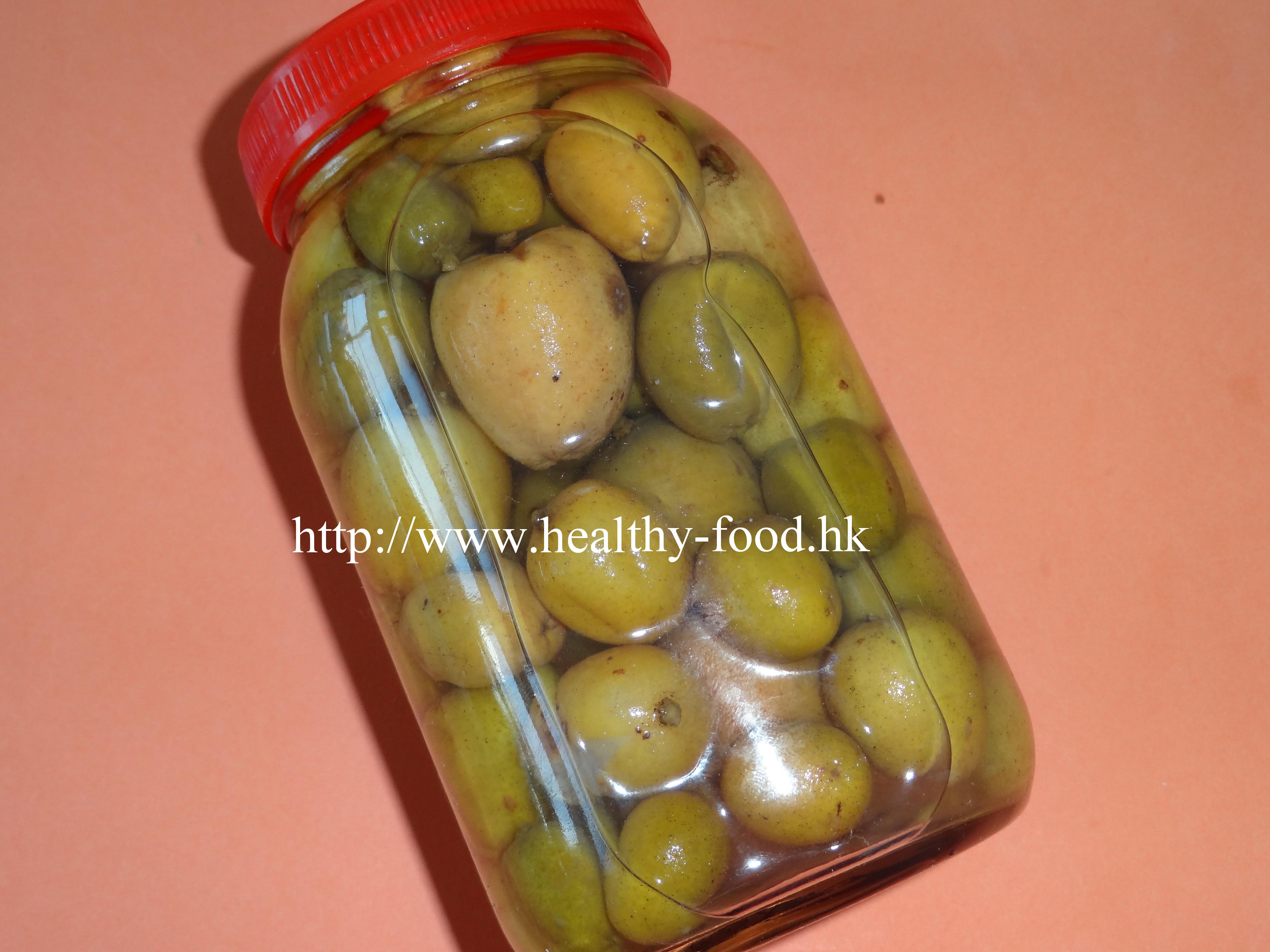
Salted Wampee Tea
traditionally used to support relief from phlegmy cough and bloating
Why people make this tea
Wampee (huang pi) is a small, aromatic fruit with a brief harvest season around early summer. Because the season is so short, the traditional approach is to preserve it in sea salt so the fruit’s benefits can be enjoyed year-round. A spoonful of the brined fruit steeped in hot water makes a tangy, warming tea that has traditionally been used to ease bloating after a heavy meal, calm a phlegmy cough, soothe a scratchy throat, and even settle nausea during early pregnancy. The whole fruit — skin, flesh, and pit — is used together because each part is believed to contribute differently: the skin has a mild diuretic quality, the flesh supports digestion and lung comfort, and the seed is traditionally valued for relieving cramping and stomach pain.
Method
- Wash the wampee fruit thoroughly, then set them out in direct sunlight for a full day to dry.
- Take a clean glass jar with a lid. Spread a generous layer of sea salt on the bottom.
- Add a single layer of wampee fruit on top of the salt, then sprinkle more salt over the fruit.
- Continue alternating layers of fruit and salt until the jar is nearly full.
- Finish with a thick layer of salt on top, then seal the lid.
- Store the jar in a cool, shaded place. The fruit will be ready to use after about 4 to 5 months, once the fruit has released its juices and is fully submerged in brine.
- To brew: place 3 to 5 salted wampee pieces (with their brine) into a cup and steep with boiling water for 5 to 10 minutes before drinking.
Nourilo’s Tips
- Use only whole, undamaged fruit — a cracked or bruised piece can cause the batch to mold
- Once the preserved wampee releases liquid, make sure all the fruit stays submerged in the brine; any pieces above the liquid line may go bad
- If you cannot find sea salt, ordinary iodized table salt works fine
- To rinse the fresh fruit before salting, use cooled boiled water rather than tap water if you are concerned about introducing bacteria
- Fresh wampee fruit is available seasonally at Chinese or Asian grocers; dried or preserved versions can sometimes be found online
Comments
Join the conversation — sign in or create a free account to comment.
Continue with GoogleLoading comments…