Home-Style Dishes
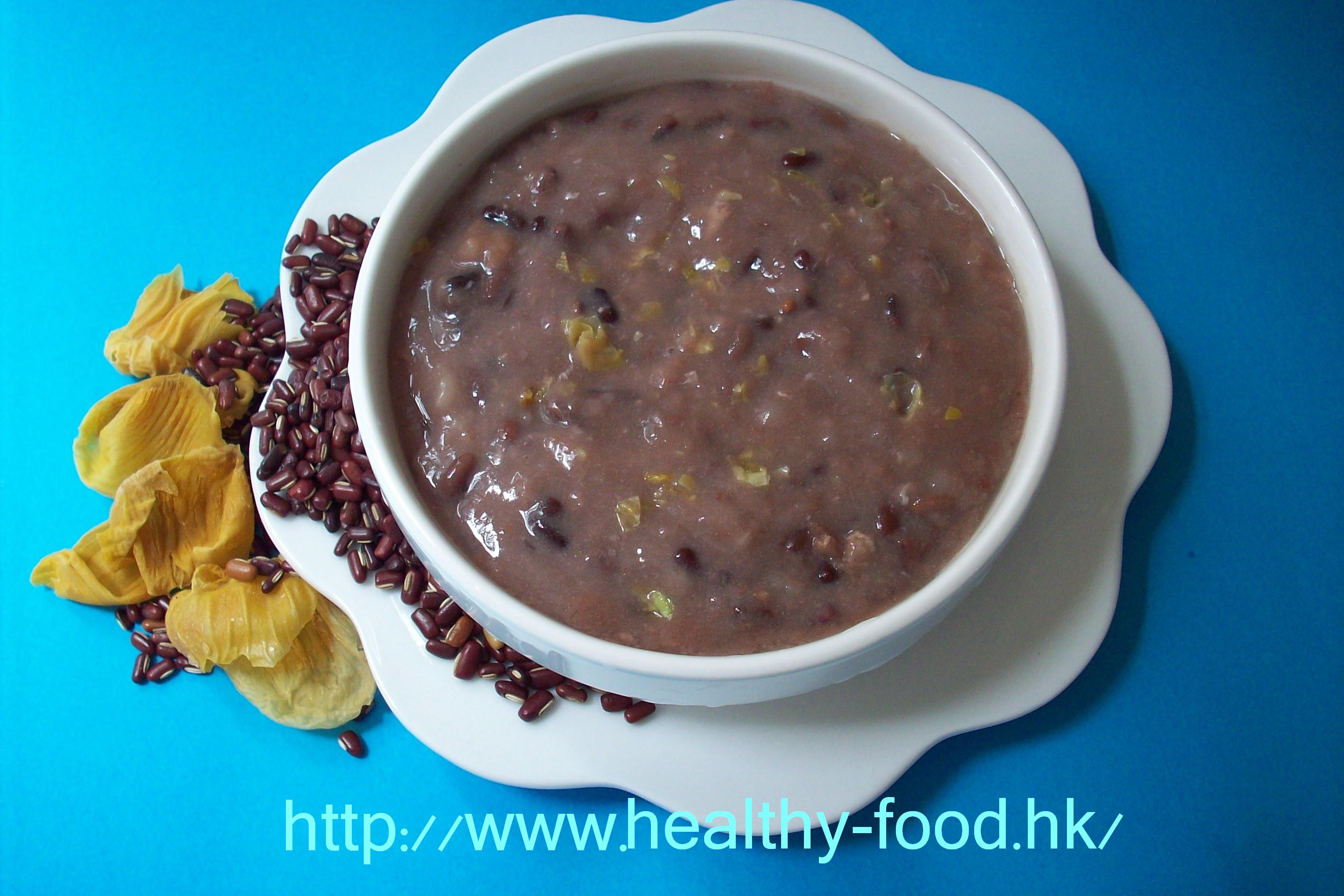
Red Bean Thin Crepes (Boh Bing)
traditionally associated with stimulating appetite and supporting digestion

Why people make this snack
Thin glutinous rice crepes filled with sweet red bean paste are a beloved street snack across southern China and Hong Kong. Light and slightly chewy, they make a gentle appetiser or afternoon treat. In Cantonese food culture, red beans are prized not just for their flavour but for their role in traditional food therapy — they are commonly used in soups and desserts to support the body’s ability to drain dampness and move fluids gently. Paired with the mild, easily digestible glutinous rice wrapper, this is the kind of nourishing snack that Bro Niu loves to make at home with family.
Who it suits / who should be cautious
- Suitable for most adults and children as an occasional snack or light dessert
- Those watching sugar intake can reduce the sweetener in the filling
- People with a wheat sensitivity should note the cheng flour (wheat starch) in the wrapper; a pure glutinous rice flour version can be made instead
- Glutinous rice is heavier on digestion than plain rice — those with a sluggish digestion or weak stomach may prefer smaller portions
Why these ingredients (the food-therapy logic)
- Red beans (hong dou / chi xiao dou): Traditionally considered sweet and neutral in nature, associated with supporting healthy circulation of fluids and a comfortable digestive rhythm
- Glutinous rice flour (nuo mi fen): Warming and tonifying in traditional understanding; creates the characteristic soft, slightly sticky wrapper
- Wheat starch / cheng flour (cheng mian): Makes the wrapper more translucent and gives it a smooth, tender bite
- Toasted peanuts and sesame: Add aroma, healthy fats, and a satisfying crunch; sesame is traditionally regarded as nourishing for the kidneys and hair
- Matcha powder (optional): Adds a pleasant green colour and a mild grassy flavour; traditionally associated with clearing mild heat
Ingredients (6–8 crepes / 2–3 servings)
| Ingredient | Amount | Notes |
|---|---|---|
| Glutinous rice flour | ~120 g | Main wrapper ingredient |
| Wheat starch (cheng flour) | ~40 g | For smooth, tender texture |
| Sugar | ~2 tbsp | Adjust to taste |
| Water | ~200–220 ml | Adjust until batter flows smoothly |
| Neutral oil | as needed | For frying the crepes |
| Dried red beans | ~80 g | For filling |
| Sugar (for filling) | 2–3 tbsp | Or to taste |
| Roasted peanuts | small handful | Optional filling addition |
| Toasted sesame seeds | small handful | Optional filling addition |
| Desiccated coconut | small handful | Optional filling addition |
| Matcha powder | 1 tsp | Optional, for colour |
Method
- Prepare the red bean filling. Rinse red beans and soak for at least 4 hours or overnight. Drain, then steam or simmer with enough water until completely soft (about 45–60 minutes). Drain off excess liquid, mash with sugar to taste, then stir in your choice of peanuts, sesame, or coconut. Set aside to cool.
- Make the batter. Combine glutinous rice flour, cheng flour, and sugar in a bowl. Gradually add water, stirring to make a smooth, pourable batter with no lumps. If adding matcha powder, dissolve it in a little warm water first, then stir into the batter.
- Fry the crepe wrappers. Heat a non-stick pan over medium-low heat and brush lightly with oil. Pour a ladleful of batter and swirl to make a thin, even round. Cook until the surface is set and edges start to lift slightly — about 1–2 minutes. Carefully slide off and repeat with remaining batter.
- Fill and roll. Place a generous spoonful of red bean filling along the lower edge of each crepe. Fold in the sides, then roll up firmly to enclose the filling.
- Pan-fry the rolls. Return the rolled crepes to the lightly oiled pan over medium heat. Fry, turning gently, until golden and lightly crisp on the outside — about 2–3 minutes per side.
- Slice and serve. Transfer to a plate, cut each roll on the diagonal, and serve warm.
Bro Niu’s tips
- The key to a smooth, unbroken wrapper is getting the batter consistency right — it should flow off the ladle in a thin, even stream. If it tears, add a splash more water.
- Steam the red beans before mashing for a smoother, finer paste; simmering works but may leave a slightly coarser texture.
- Mix different fillings — some crepes with just coconut and sesame, others with the red bean paste — to keep things interesting for the table.
- If green tea powder is added to the batter, the colour is a pleasant pale green and the slight bitterness balances the sweet filling beautifully.
- These are best eaten warm and freshly made; they soften and lose their crispness after sitting too long.
Community questions answered (selected)
-
Q (David): My two-year-old daughter breaks out in eczema every March or April — small raised red bumps, very itchy but no blisters. She has not been eating seafood during this time. Is there a suitable soup for her? Bro Niu: Eczema has many causes. If it always appears in spring, consider whether pollen, dust, or certain foods may be triggering sensitivity — bamboo shoots, goose, duck, certain mushrooms, mango, and pineapple are all known to aggravate existing conditions. Try making a soup of adzuki beans (chi xiao dou) and raw Job’s tears (yi mi) — one liang each — with corn including the silk (two cobs with silk, or two liang of dried silk). Simmer six to seven bowls down to four bowls and serve two bowls a day. This can help calm the skin. If you are worried about it being too cooling for a young child, add one crucian carp. The whole family can drink this soup.
-
Q (Connied Chan): My mother, 56, has had nasal sensitivity for years but it has become much worse recently — both nostrils blocked, white mucus dripping back into the throat with constant phlegm. She has seen both Western and Chinese doctors with no improvement. Bro Niu: Try a decoction of astragalus (bei qi), magnolia flower bud (xin yi hua), cocklebur fruit (cang er zi), white angelica root (bai zhi), siler root (fang feng), and white atractylodes (bai zhu) — three qian each — plus four stalks of spring onion white (added at the end). Use five bowls of water and simmer to two bowls. The spring onion should be added in the last five minutes. Take it over three consecutive days, then reduce to once or twice a week to strengthen lung qi and help prevent recurrence.
-
Q (bee): I think I am blood-deficient. During my period my heart beats very fast, and after it ends I get mild chest tightness. Bro Niu: You can try a simple nourishing drink: one codonopsis root (dang shen), sliced; ten red dates (hong zao), pitted; and a small handful of dry-toasted rice (stir plain rice in a dry pan until lightly golden — you can make a larger batch to keep on hand). Use five bowls of water and simmer to two bowls. Take two to three times a week until you feel improvement. This drink gently supports qi and blood.
Published April 2, 2012 · Adapted and translated for Nourilo from a traditional home-kitchen recipe. Approx. 6 min read.