Soups
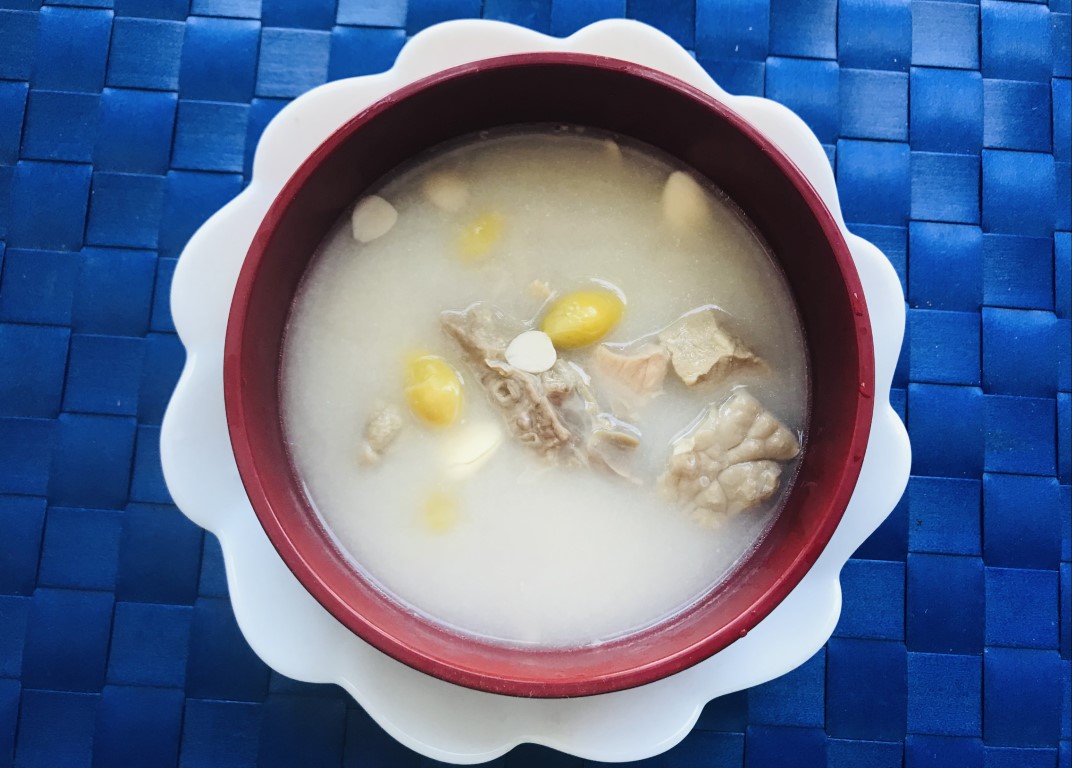
Perilla Seed, Ginkgo and Apricot Kernel Soup
Traditionally used to ease phlegm and calm a cough
Why people make this soup
Some children have a weaker constitution and a stubborn, phlegmy cough that lingers. When the cough is worse morning and night with thin, watery-white phlegm — a “cold-type” phlegm pattern — ginkgo can be used in moderation, as it is traditionally said to “astringe the lung and calm wheezing.” This folk soup combines perilla seed, ginkgo and apricot kernels and is traditionally used to direct qi downward, ease phlegm and calm a cough, making it a gentle helper for chronic bronchitis or wheezy coughs of the cold-phlegm type — in children and adults alike.
Who it suits / who should be cautious
- Children and adults with a lingering, phlegmy cold-type cough (thin, watery-white phlegm).
- Ginkgo amount should scale with age (folk guide: one nut per year of age), maximum about 15 nuts at once; always remove the core.
- Ginkgo must be eaten cooked, never raw.
- If the cough is severe, the phlegm is green/yellow, or there is fever, see a doctor.
Why these ingredients (the food-therapy logic)
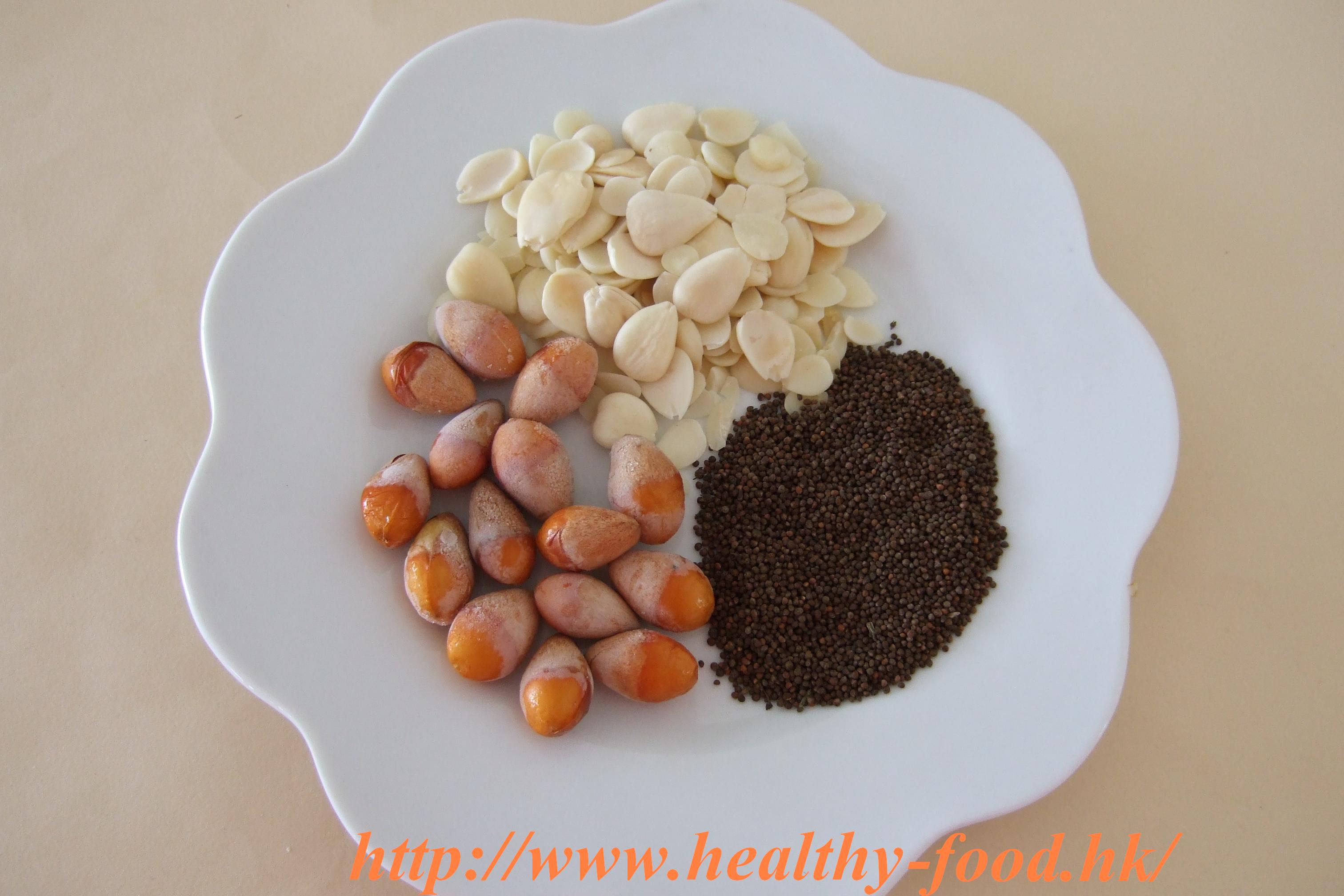
- Perilla seed (su zi): the seed of perilla, traditionally used to direct qi downward and resolve phlegm for coughing and wheezing; also gently lubricates the bowels.
- Ginkgo nut (bai guo): traditionally used to astringe the lung and calm wheezing — core removed, cooked, in moderation.
- Sweet and bitter apricot kernels (nan bei xing): traditionally used to moisten the lungs and ease cough.
Ingredients (2 bowls, one day)
| Ingredient | Amount | Notes |
|---|---|---|
| Perilla seed (su zi) | ~11 g | Place in a tea bag |
| Ginkgo nuts (bai guo) | ~11 g | Remove cores; cooked only |
| Sweet & bitter apricot kernels (nan bei xing) | ~19 g |
Method
- Remove the cores from the ginkgo nuts. Put the perilla seed into a tea bag.
- Place all ingredients in a pot with 5 bowls of water.
- Simmer down to about 2 bowls.
- Drink the soup and eat the ginkgo nuts (the 2 bowls are one day’s serving, taken in portions).
Bro Niu’s tips
Perilla seed directs qi downward and resolves phlegm for cough and wheeze, and also gently loosens the bowels, so this soup suits adults with phlegm and breathlessness too. Adjust the ginkgo by age — roughly one nut per year — and never more than about 15 at once. Always remove the core, where the unhelpful compound mainly sits, and always cook ginkgo before eating.
Community questions answered (selected)
-
Q (Jack): Isn’t ginkgo mildly toxic? Children shouldn’t eat it daily, right? Is three times a week too much? Bro Niu: As long as a child eats only a small amount, three times a week is fine. Remember to remove the core — the alkaloid that is unhelpful to the body sits mainly in the ginkgo core.
-
Q (Mickey): Can I blend ginkgo and walnut to eat? Is “apricot kernel” the sweet-and-bitter kind? Bro Niu: Ginkgo must be eaten cooked. Apricot kernel here is sweet apricot kernel (nan xing); bitter apricot kernel (bei xing) is mildly toxic — fine in soup but don’t eat large amounts, and for safety don’t blend bei xing to eat. Blended walnut is fine. Everything blended and fully cooked is nourishing.
-
Q (Fanny): I’ve had chronic bronchitis for years, with a dry cough and a stuck feeling in the throat. Which soup might ease it? Bro Niu: Try 10 ginkgo (cored), perilla seed (3 qian) in a tea bag, sweet and bitter apricot kernels (1 tael), fu ling (5 qian), bai zhu (4 qian) and tangerine peel (2 qian), simmered from 5 bowls of water to 2. It helps ease phlegm and cough — take for 3 doses.
Published June 23, 2011 · Adapted and translated for Nourilo from a traditional home-kitchen recipe. Approx. 3 min read.