Soups
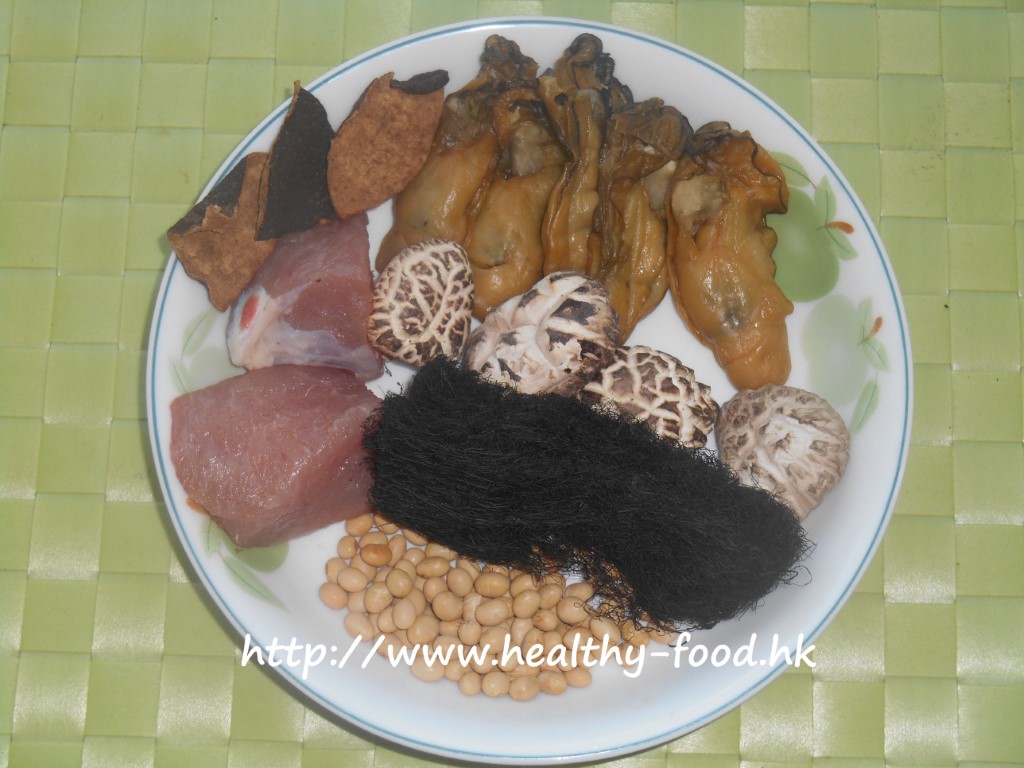
Dried Oyster, Hair Vegetable, Mushroom and Soybean Pork Rib Soup
traditionally used to support digestion after rich holiday meals and to nourish the spleen
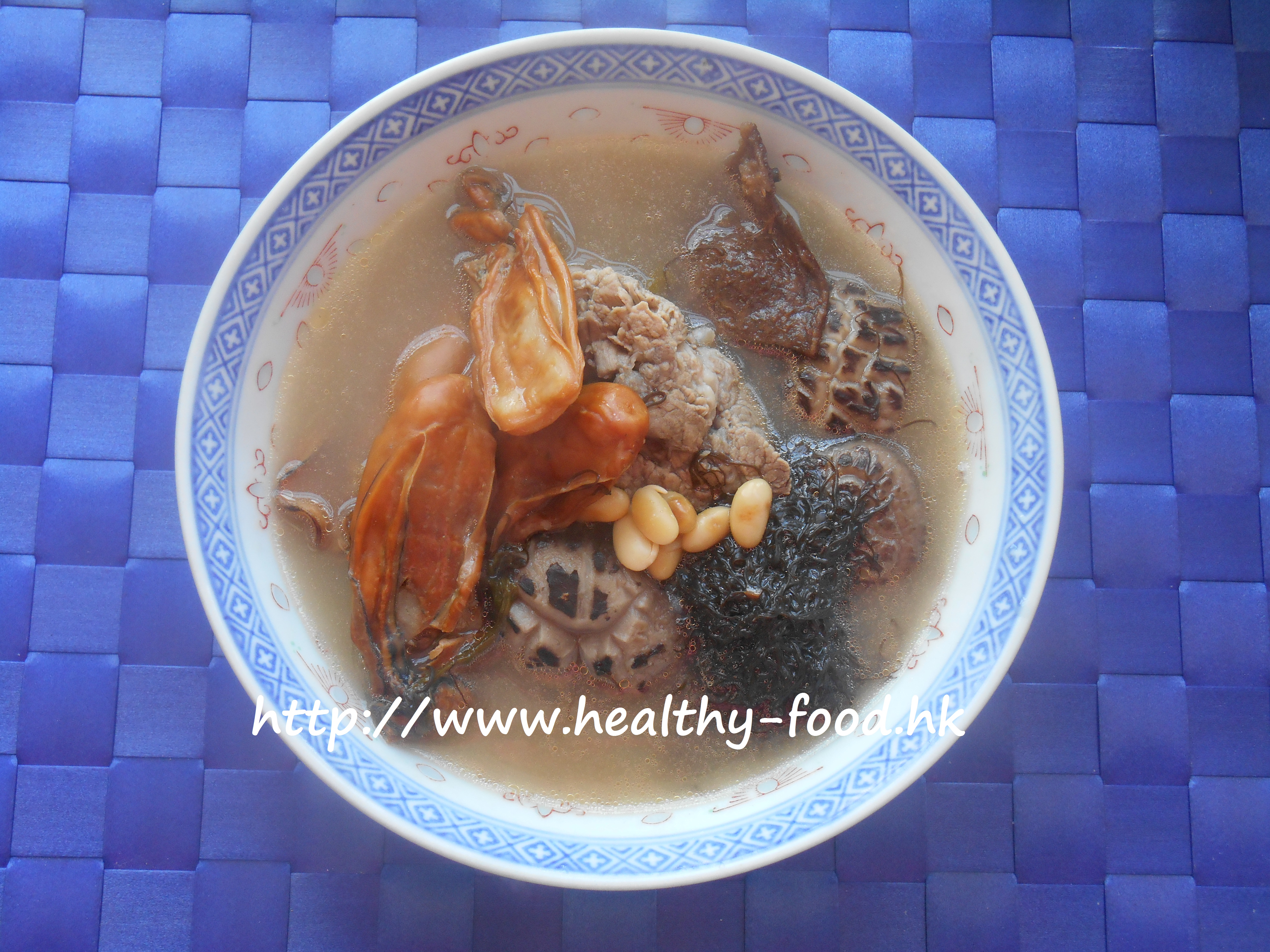
Why people make this soup
The week of Chinese New Year is a wonderful, delicious problem: sea cucumber, fish maw, abalone, pork knuckle, rich chicken, glutinous dumplings stuffed with red bean or sesame — it is nearly impossible to eat lightly. By the third day, many people feel heavy, bloated, and sluggish. This is the soup Bro Niu recommends for precisely that moment. Dried oysters and hair vegetable (fa cai) are traditional New Year ingredients — “fa cai” sounds like “get rich” in Cantonese, making them auspicious — but they also happen to be a genuinely useful pairing for the digestive system. Combined with shiitake mushrooms, soybeans, and tangerine peel, this soup is known in Cantonese cooking as being “gui you” (very effective at cutting through grease). It is warming, satisfying, and works in the background to help restore the digestive energy that a week of feasting can drain.
Who it suits / who should be cautious
- Ideal for anyone who has been eating too many rich, fatty, or sweet foods over the holidays
- Suitable for the whole family including children
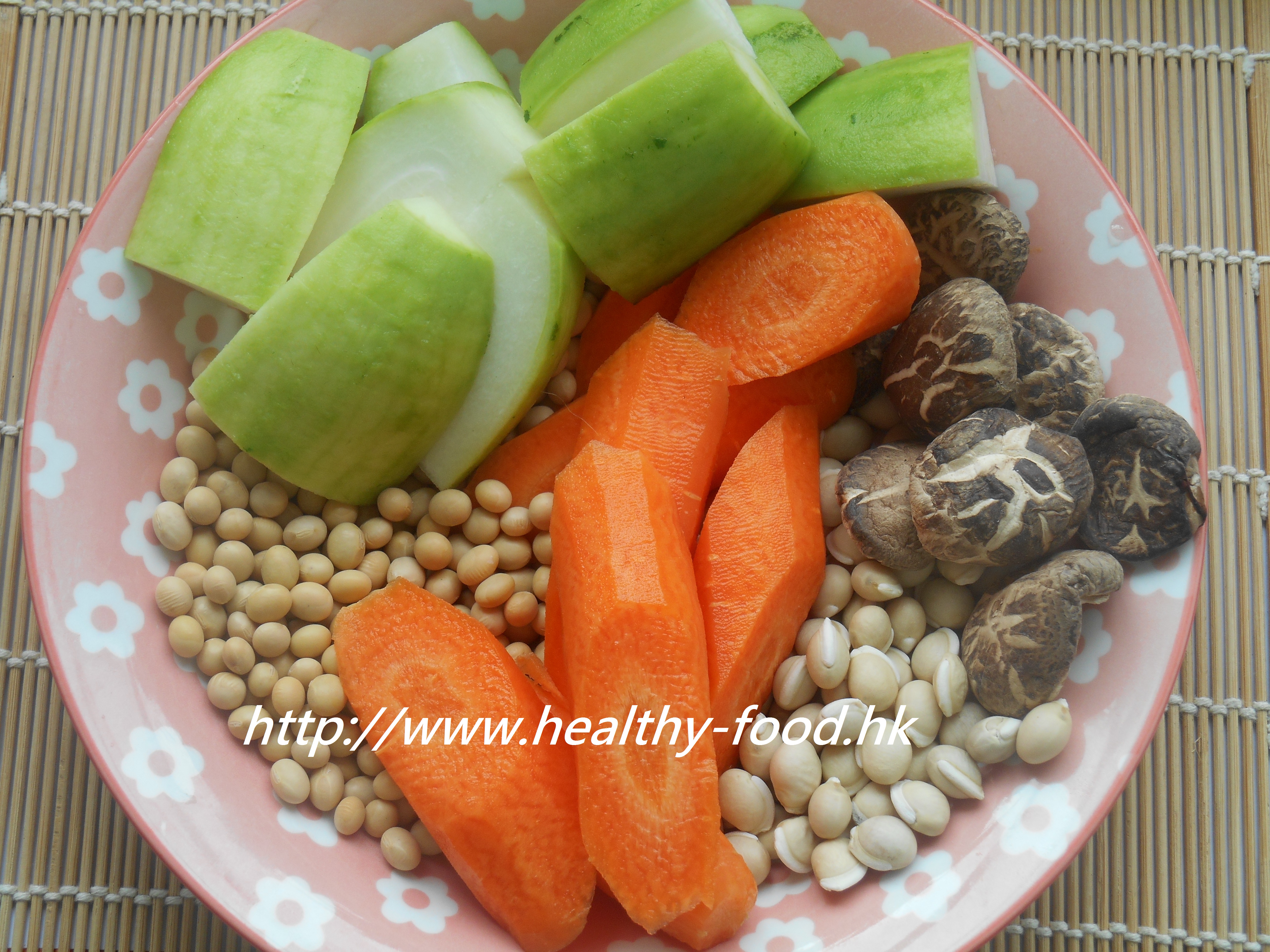
- Those who prefer a meat-free version can substitute the pork ribs with 500 g of winter melon (dong gua) or fuzzy melon (jie gua) — the vegetable version has a lighter flavour and adds its own cooling, diuretic properties
Why these ingredients (the food-therapy logic)
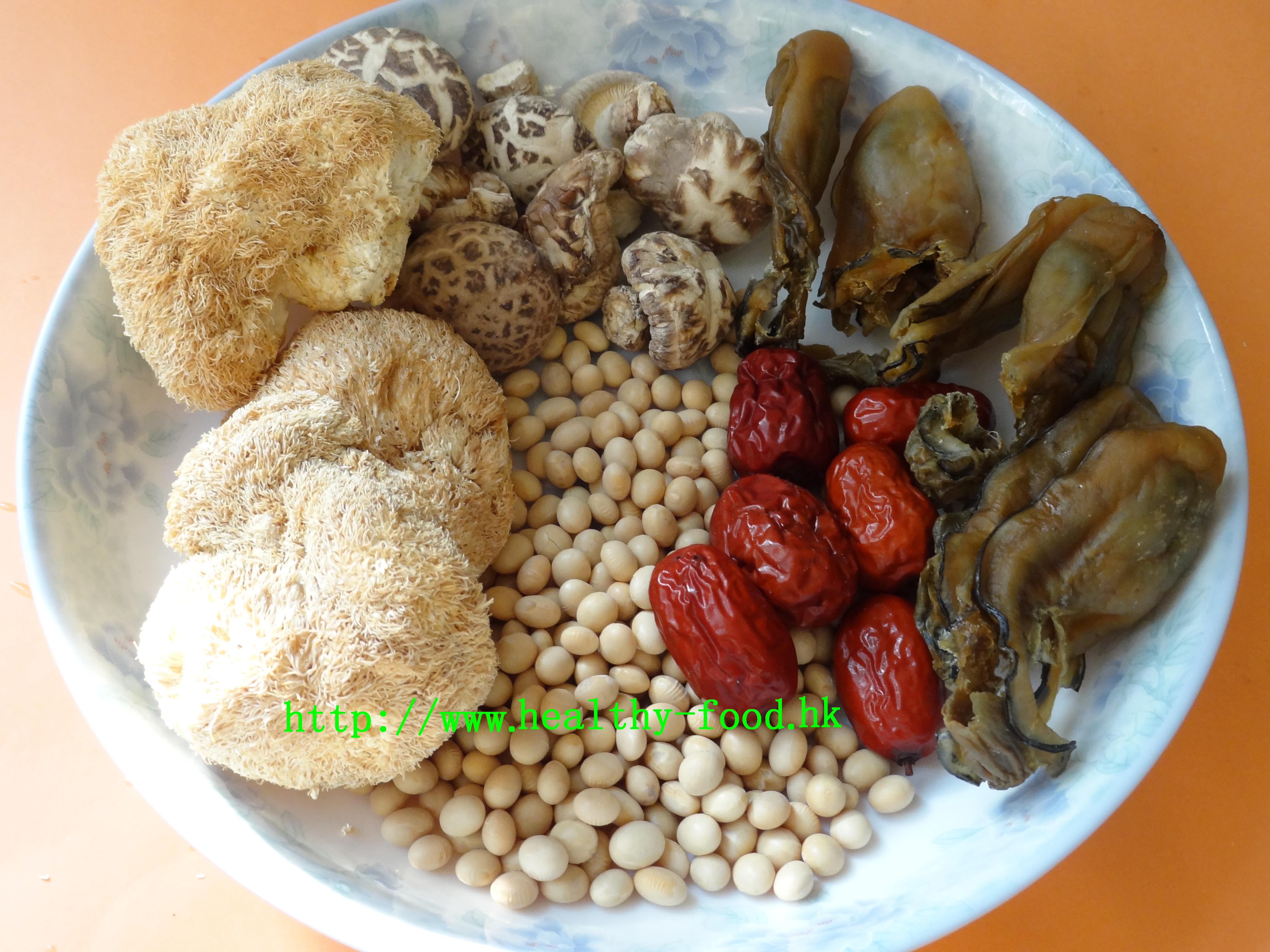
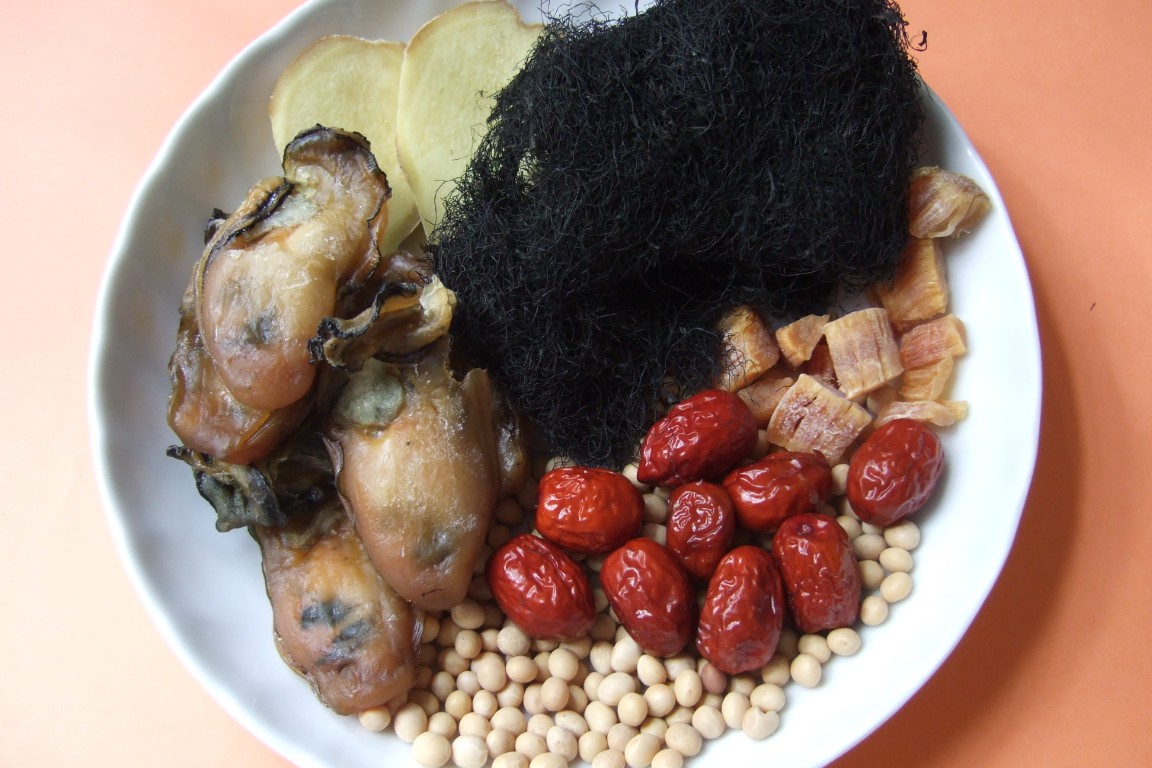
- Dried oysters (hao shi): Rich in zinc; traditionally considered nourishing. Zinc supports growth and cognitive development in children, making this a particularly worthwhile ingredient during the Lunar New Year period when families gather.
- Hair vegetable (fa cai): High in calcium; traditionally associated with supporting bowel regularity, detoxification, and lowering blood pressure. Folk tradition holds that it helps clear accumulated waste from the body.
- Shiitake mushrooms (dong gu): Deeply savoury, rich in B-vitamins and plant compounds. Traditionally support digestive function and immune health.
- Soybeans (huang dou): A filling, protein-rich legume traditionally associated with supporting the spleen and resolving food stagnation.
- Dried tangerine peel (chen pi): Warming and aromatic. Classically used to regulate qi, ease bloating, and harmonise the stomach.
Ingredients (4–5 bowls)
| Ingredient | Amount | Notes |
|---|---|---|
| Dried oysters | 6 pieces | Soak in water to rehydrate; pan-fry in a little oil until lightly golden before adding to soup |
| Dried hair vegetable | 1 small handful | Rinse and soak briefly; add in the final 10 minutes only, or it turns mushy |
| Dried shiitake mushrooms | 4 pieces | Soak until soft; save the soaking liquid to add to the soup |
| Dried soybeans | 40 g | Rinse and soak for 1 hour beforehand if time allows |
| Dried tangerine peel | 1 piece | Rinse; soak briefly to soften |
| Pork spareribs | 300 g | Blanch in boiling water for 2 minutes, drain, rinse |
| Water | 8 bowls (~2 litres) |
Method
- Soak the dried oysters, shiitake mushrooms, soybeans, and tangerine peel separately until softened. Drain.
- Pan-fry the rehydrated oysters in a lightly oiled pan over medium heat until lightly golden and fragrant.
- Blanch the pork ribs in boiling water for 2 minutes. Drain and rinse under cold water.
- Place all ingredients except the hair vegetable into a large pot with 8 bowls of water.
- Bring to a boil, then simmer over low-medium heat for 1.5 hours.
- Add the hair vegetable (rinsed) in the final 10 minutes and simmer until it softens and the strands are silky.
- Serve hot, eating both the soup and the solid ingredients.
Bro Niu’s tips
If you prefer a meat-free version, replace the pork ribs with about 500 g of winter melon or fuzzy melon. This vegetarian version is lighter in flavour and adds extra cooling and diuretic properties, making it even more effective for clearing digestive heat after heavy holiday eating.
Community questions answered (selected)
-
Q (reader): I ate way too much last night and got gastroenteritis — vomiting and diarrhoea. Now I feel a little better but my stomach is still unsettled. Is there a soup I can make? Bro Niu: You can try white radish, hawthorn, dried duck gizzard, and tangerine peel in a lean pork soup — that combination helps settle accumulated food stagnation and strengthen the stomach.
-
Q (Amy): My 14-year-old son doesn’t sleep well and has lots of acne on his forehead and scalp. What soup would help? Bro Niu: You can try mung bean, fresh coix seed, lily bulb, a little dried kelp, and rock sugar in water — simmer until soft. Alternatively, fresh tufu ling (smilax), red bean, coix seed, and tangerine peel in a pork rib soup helps clear heat and reduce breakouts. Serve 2–3 times a week.
Published January 25, 2017 · Adapted and translated for Nourilo from a traditional home-kitchen recipe. Approx. 4 min read.