Soups
Gold-and-Silver Cabbage Almond Pig Lung Soup
traditionally used to moisten the lungs, relieve dry cough, and clear heat in early autumn
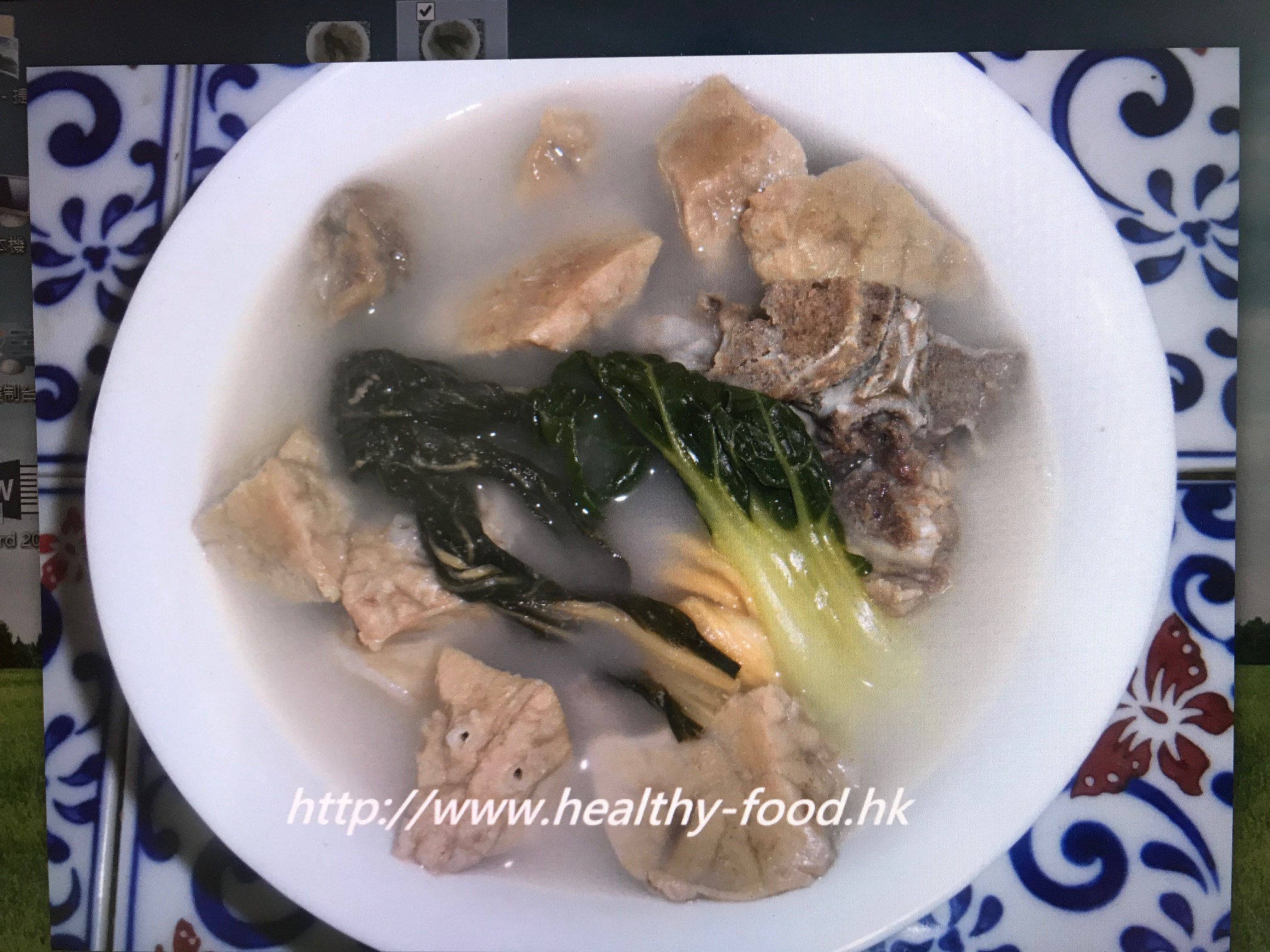
Why people make this soup
In traditional Chinese seasonality, the brief window between “Start of Autumn” (li qiu) and “End of Heat” (chu shu) is called “fighting over autumn” — summer refuses to leave, but you can feel the faint first breath of autumn in the early mornings and evenings. During this seasonal transition, the body is especially prone to dryness and lung-related discomfort. The remedy in Cantonese kitchens is a soup called “gold and silver cabbage” — gold being the sun-dried cabbage (which, through the process of drying, becomes especially good at clearing heat and soothing cough), and silver being the fresh, white cabbage. Together with almonds and pig lung, this soup has been a seasonal go-to for generations. Traditional Chinese food therapy uses the principle of “like nourishes like” — eating lung to support the lungs.
Who it suits / who should be cautious
- Particularly well suited for dry cough, throat dryness, or respiratory irritation in the late summer / early autumn period
- Suitable for the whole family; good for smokers or those with dusty work environments
- If you prefer not to use pig lung, substitute with 2 quail or 1 jointed chicken (remove the skin)
- Ensure the pig lung is thoroughly cleaned and cooked — see the tips section
Why these ingredients (the food-therapy logic)
- Fresh napa cabbage (bai cai): Traditionally associated with clearing heat, calming restlessness, and supporting healthy bowel movement; very gentle and suitable for all constitutions
- Dried napa cabbage (cai gan): The drying process concentrates its ability to clear heat and relieve seasonal dryness; especially helpful for cough triggered by dry weather
- Almond (xing ren): Both sweet (nan xing) and bitter (bei xing) almonds are used to support the lungs; traditionally associated with stopping cough and resolving phlegm; using the powdered form creates a slightly thickened, pleasant broth
- Pig lung (zhu fei): Following the “like nourishes like” principle of classical food therapy; traditionally used for lung deficiency cough, coughing with blood, and heat-type lung conditions
Ingredients (5–6 bowls)
| Ingredient | Amount | Notes |
|---|---|---|
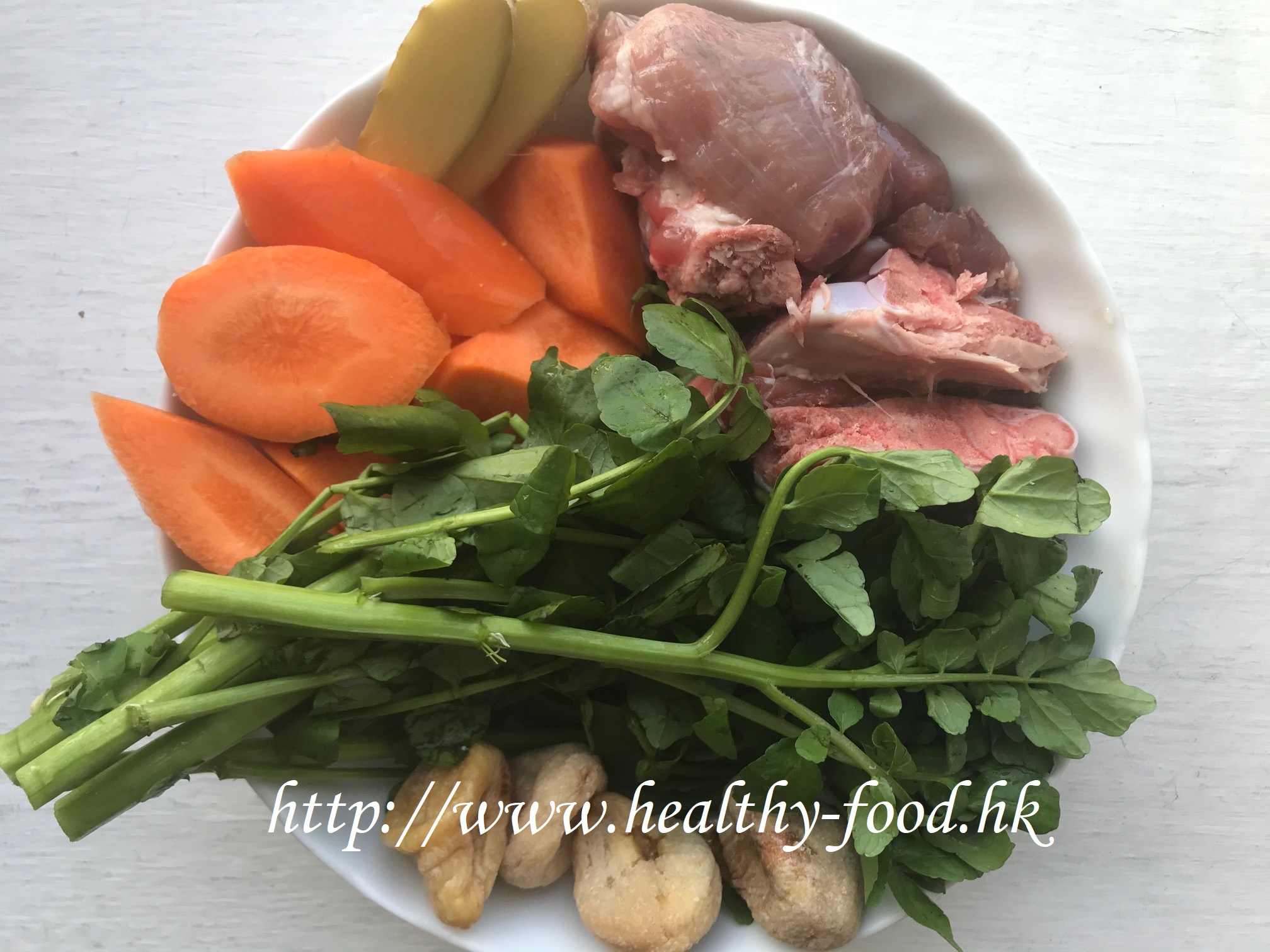
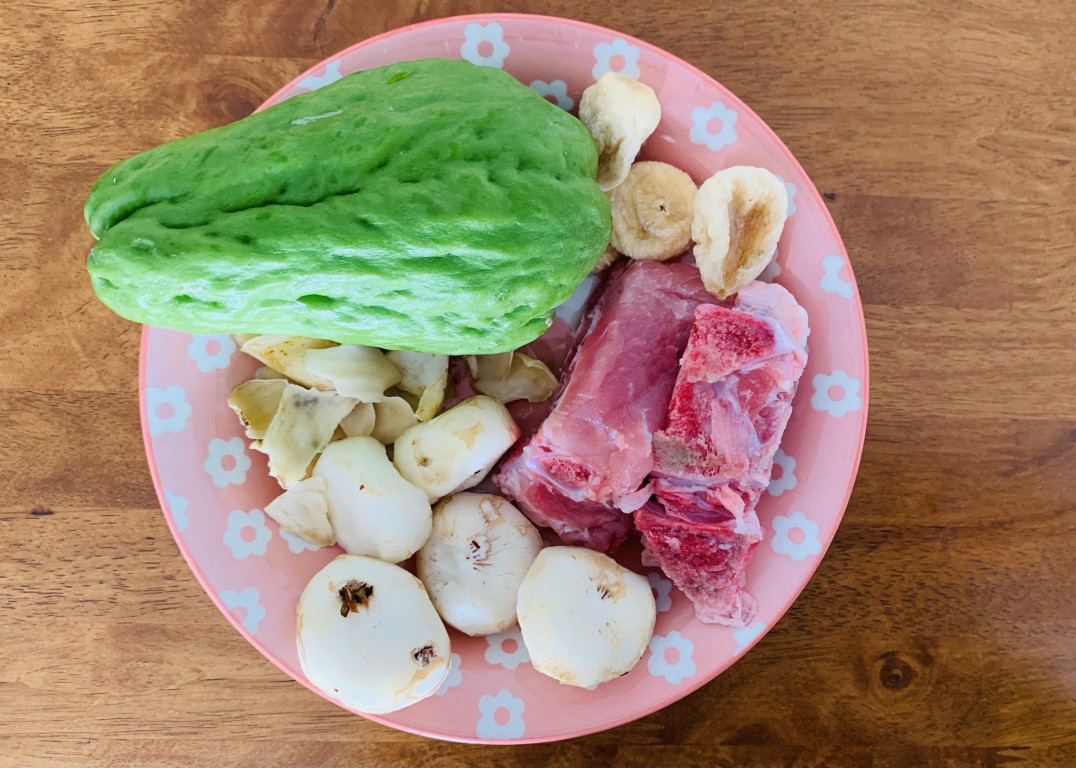
| Fresh napa cabbage | ~150 g | Rinse well |
| Dried napa cabbage | ~75 g | Soak and rinse to remove dust and salt |
| Almond powder | 1 tablespoon | Mix with a little water to form a paste before adding to soup |
| Pig lung | 1 whole | See cleaning method in tips |
| Pork ribs | ~150 g | Blanch in boiling water to remove impurities |
| Fresh ginger | 2 slices | — |
Method
- Soak the dried napa cabbage in cold water for 20–30 minutes to rehydrate; drain and rinse.
- Clean the pig lung (see tips). Cut into large pieces, then dry-fry in a clean wok with no oil, pressing to expel the water. Rinse again to clean.
- Blanch the pork ribs in boiling water for 2 minutes; drain.
- Place the pork ribs and pig lung pieces in a large pot with 10 bowls (about 2.5 litres) of water. Bring to a vigorous boil.
- Add the fresh cabbage and dried cabbage. Mix the almond powder with 1 bowl of water to form a thin paste; pour into the soup.
- Reduce to a medium-low simmer and cook for 2 hours, until reduced to about 5–6 bowls.
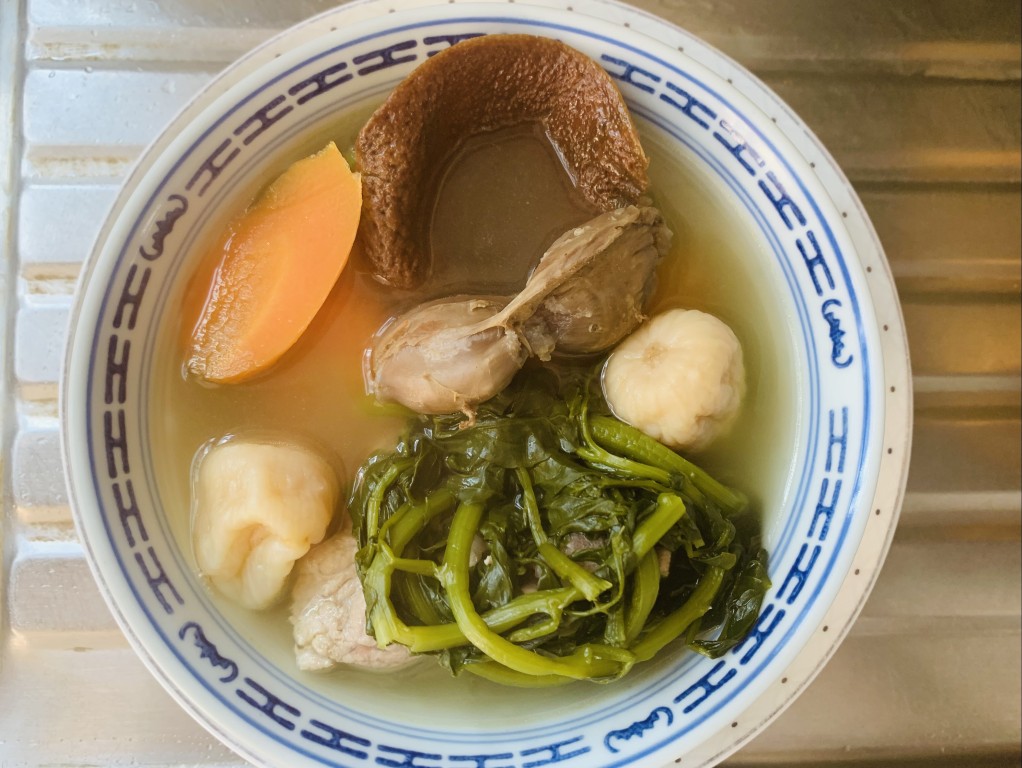
- Serve together — drink the soup and eat the solid ingredients as a dish.
Bro Niu’s tips
Many butchers and Asian grocery stores now sell pig lung pre-cleaned and flushed with water. If yours is not pre-cleaned: rinse it under the tap, rub with a little cornstarch and salt, rinse again, then cut into pieces and stir-fry in a dry wok (no oil) over medium heat — this forces out the liquid and impurities trapped inside. Once cooked, the pig lung in this soup is actually very tasty and can be enjoyed as a side dish. If you cannot find almond powder, use 40 g (about 1 liang) of mixed sweet and bitter apricot kernels (nan bei xing) instead — add them at the start and they will soften during cooking.
Community questions answered (selected)
-
Q (Bobby): I don’t eat organ meat — what can I substitute? Bro Niu: Quail or pigeon works well as a substitute. With quail or pigeon in the pot, you can skip the pork ribs unless you’re feeding a large group who would appreciate the extra meatiness.
-
Q (Bobby, follow-up): If I use quail, should I still add pork ribs? And are small napa cabbage (bai cai zai) fine to use instead of large ones? Bro Niu: With quail or pigeon added, you don’t need the ribs — unless you have a big family and want a richer flavour. Small napa cabbage is perfectly fine; large ones are harder to find these days anyway.
Published August 8, 2020 · Adapted and translated for Nourilo from a traditional home-kitchen recipe. Approx. 4 min read.