Home-Style Dishes
Mugwort Ginger Foot Soak
traditionally warms the body, disperses cold, and improves circulation through foot soaking
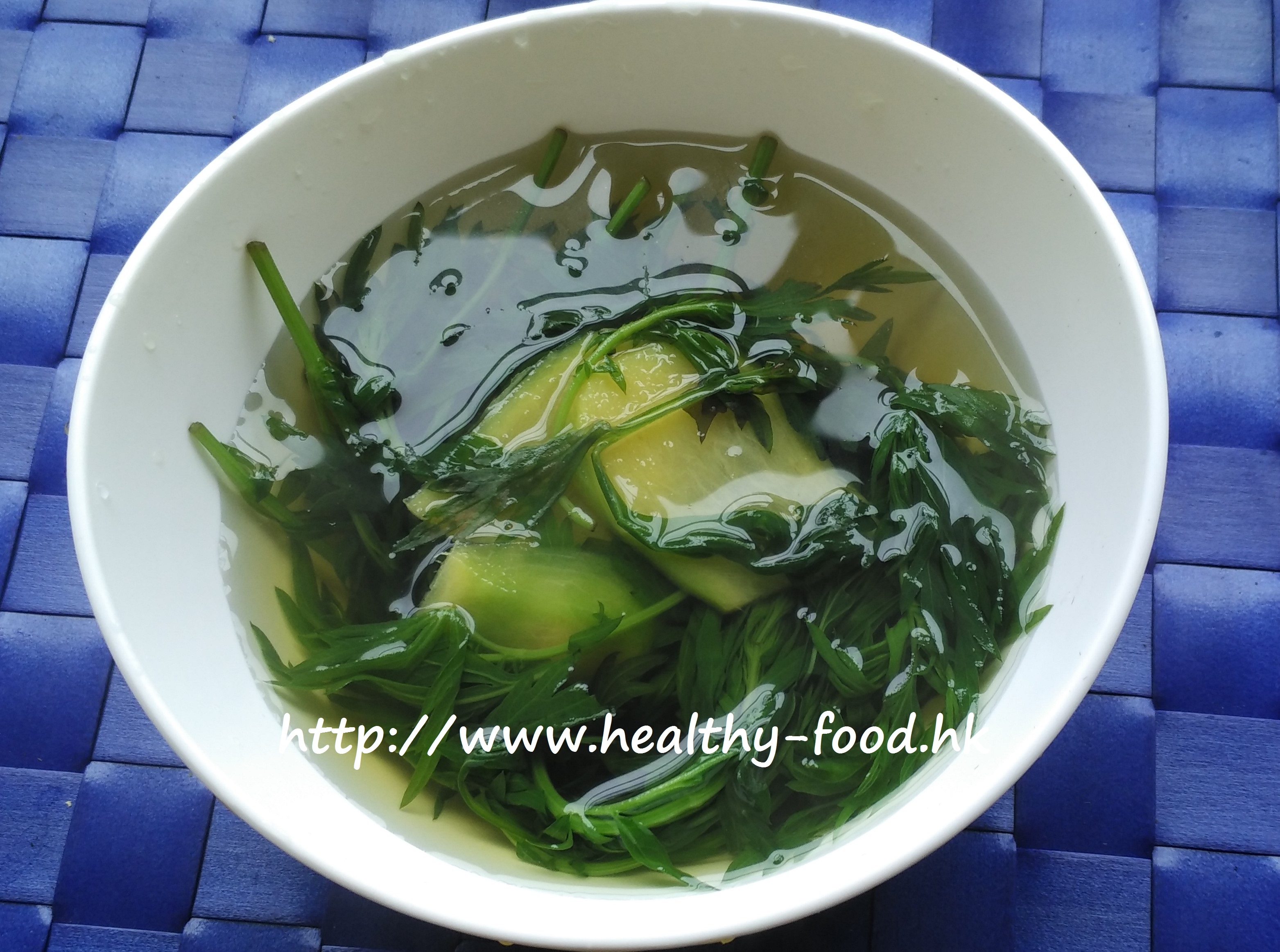
Why people make this foot soak
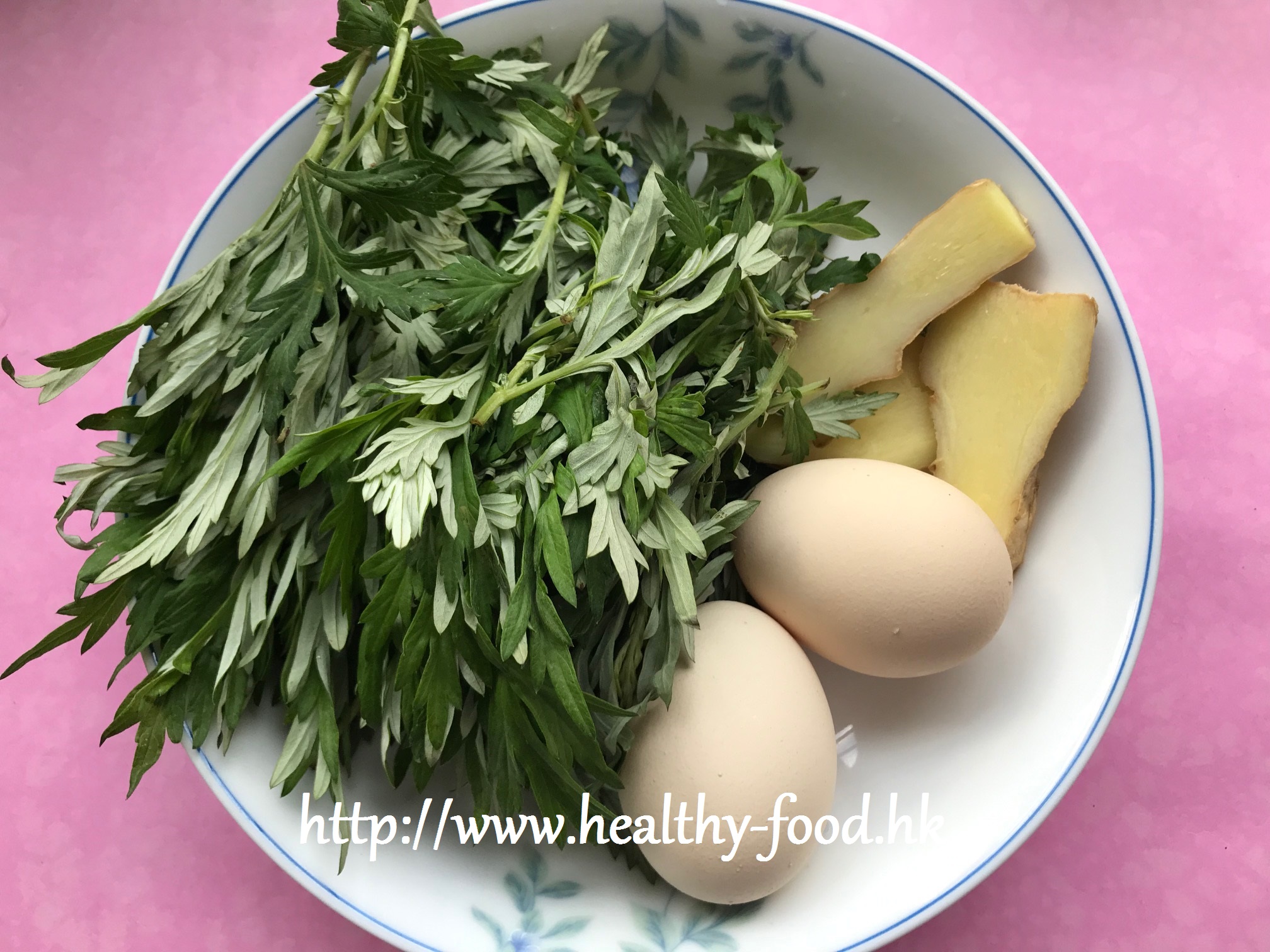
Mugwort is a plant with a very long history in East Asian folk medicine — in the countryside, families traditionally hang bunches of fresh mugwort by their doorways around the Dragon Boat Festival as a protection against seasonal illness. Fresh mugwort is available at Chinese or Asian grocers and online. The flavour when taken internally is quite bitter, so the most practical approach is to combine it with ginger, boil it briefly, and use the water as a warming foot bath. For people who feel perpetually cold — perhaps from long hours sitting in air-conditioned offices, or after a bout of wind-cold — soaking the feet in warm mugwort-ginger water, followed by a cup of hot ginger brown-sugar tea, can produce a gentle warming sweat that helps the body settle.
Who it suits / who should be cautious
- Suits people with a cold constitution, those who feel chilly after prolonged air-conditioning exposure, or those with aches and clear runny nose from wind-cold
- Also beneficial for generally healthy people who want to relieve fatigue and support better sleep
- Pregnant women should consult a doctor before using mugwort preparations
- People with open wounds, varicose veins, or peripheral circulatory conditions should exercise caution
Why these ingredients (the food-therapy logic)
- Mugwort (ai ye): Traditionally considered warm and aromatic. Associated with dispelling cold, relieving dampness, and warming the meridians. In external use, the volatile oils in mugwort are thought to penetrate through the skin during soaking.
- Ginger (sheng jiang): Warming and pungent. A classic pairing with mugwort for enhancing the warming effect and promoting surface circulation.
Ingredients (1 foot-soak basin)
| Ingredient | Amount | Notes |
|---|---|---|
| Fresh mugwort leaves | 75 g (2 liang) | Rinse thoroughly |
| Fresh ginger | 5–6 slices | Can use more for extra warmth |
| Water | 1 litre | — |
| Additional warm water | as needed | To adjust basin temperature to ~45°C |
Method
- Rinse the fresh mugwort leaves under running water.
- Place mugwort and ginger in a pot with 1 litre of water.
- Bring to a boil, then simmer for about 5 minutes.
- Remove the mugwort and ginger pieces.
- Pour the liquid into a foot basin, then add additional warm water to bring the temperature down to approximately 45°C (comfortable, not scalding — test with your elbow).
- Soak your feet for 15–20 minutes, adding warm water as needed to maintain temperature.
- For best results, follow with a cup of hot ginger brown-sugar tea while still warm.
Bro Niu’s tips
The combination works best when you follow up the foot soak with a bowl of hot ginger tea — the soak warms from the outside, and the tea from the inside, and together they can bring on a mild, comfortable sweat that helps clear wind-cold symptoms. This foot soak is also simply good for tired feet after a long day — healthy people can use it regularly to relieve fatigue and sleep better at night. If you are using dried mugwort rather than fresh, extend the simmering time to 15 minutes, and use about 5 qian (19 g). This method can be used 2–3 times per week.
Community questions answered (selected)
-
Q (Ching): How long should I boil dried mugwort for the foot soak? How many times a week? Is ginger or mugwort water better for a cold constitution? Bro Niu: Boil dried mugwort for about 15 minutes. You can use it 2–3 times per week. Both ginger water and mugwort water are effective for warming a cold constitution — either works well.
-
Q (Ching, follow-up): Can I add ginger to a dried-mugwort drink, and how long to cook? Bro Niu: Yes, dried mugwort can be simmered with ginger as a drink — use about 5 qian (19 g) and simmer for 15 minutes.
Published July 4, 2017 · Adapted and translated for Nourilo from a traditional home-kitchen recipe. Approx. 3 min read.