Soups
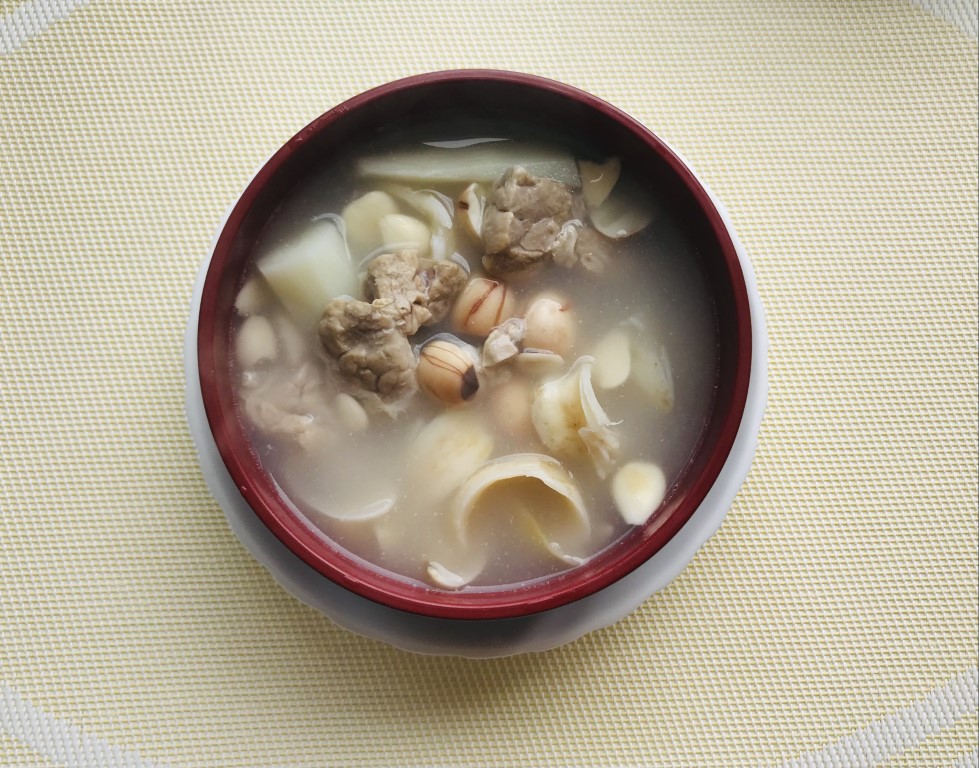
Chinese Yam, Lotus Seed, Lily Bulb, and Partridge Soup
Traditionally used to nourish and strengthen the lungs, support skin health, and boost overall constitution
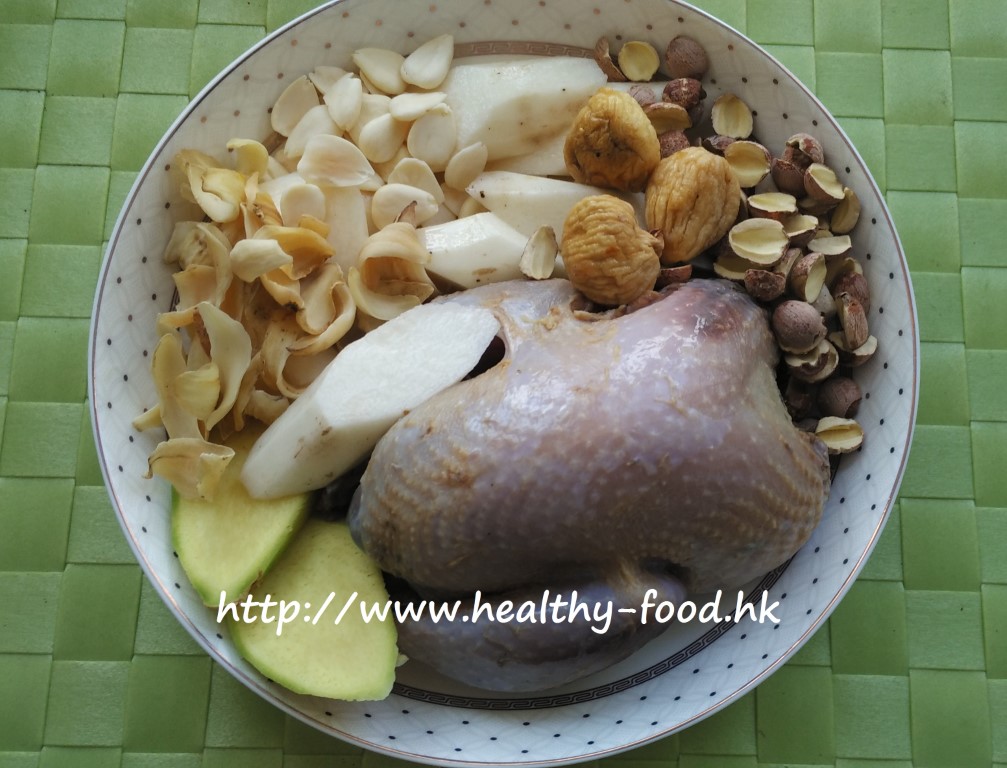
Why people make this soup
In Cantonese food therapy tradition, strong lungs mean more than just healthy breathing — they support the skin, the immune system, and overall vitality. When lung qi is insufficient, the skin may become dry and lacklustre, and the body finds it harder to resist external pathogens. This is especially relevant during periods of viral illness, when many people want to do something practical to maintain their constitution. Chinese yam, lotus seeds, lily bulb, apricot kernels, and figs are all considered gentle yet effective lung and spleen tonics that are safe for the whole family, suitable from childhood to old age, and neither overly warming nor cooling. Partridge (zhe gu) is a prized cooking ingredient in Cantonese cuisine, traditionally valued for its ability to complement and strengthen the lungs and five organs. The result is a soup that is naturally sweet, fragrant, and deeply nourishing.
Who it suits / who should be cautious
- Suitable for the whole family including children. Particularly beneficial for those with a weak constitution, dry skin, or who tend toward frequent respiratory illnesses.
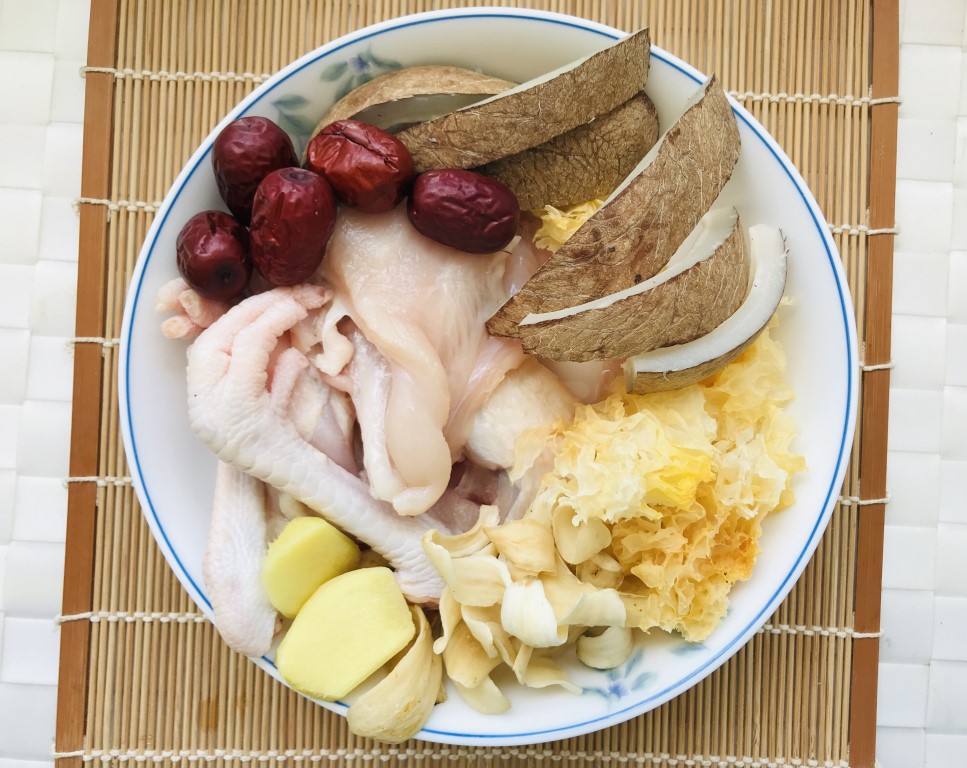
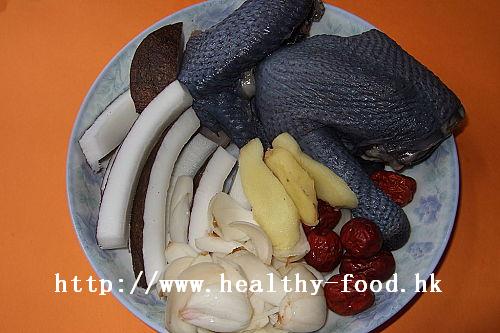
- If partridge is unavailable, black-bone chicken (wu ji), French frozen quail, or lean pork can be substituted with comparable results.
- Those with an active cold or flu (with fever, body aches, and chills) should wait until the acute illness passes before drinking nourishing soups. During the active phase, a light soup of cilantro, spring onion, ginger, and fish slices to release the surface is more appropriate.
Why these ingredients (the food-therapy logic)
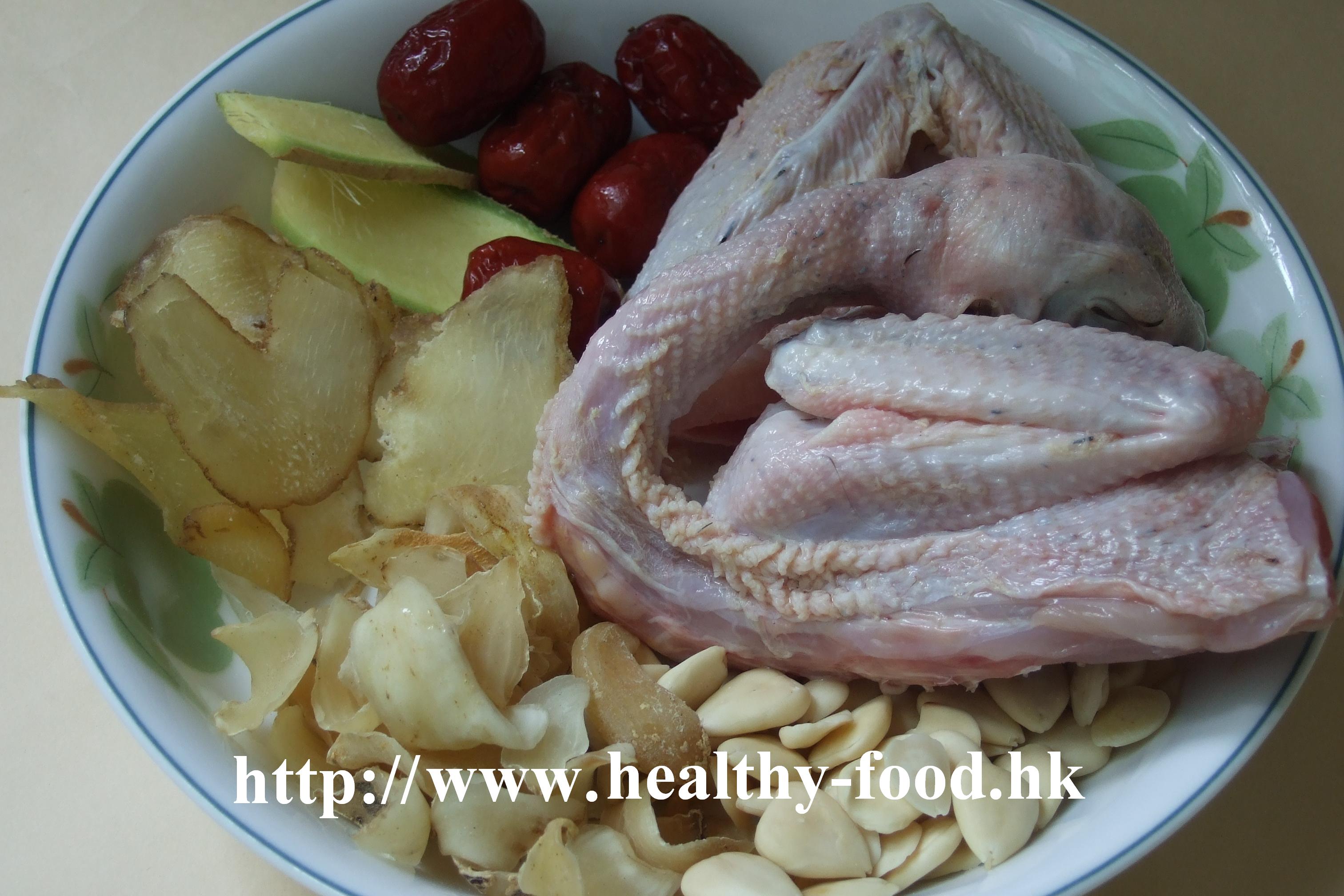
- Fresh Chinese yam (xian huai shan): Tonifies the lung, spleen, and kidney. Gentle, non-stimulating, and suitable for regular long-term use.
- Dried lotus seeds (lian zi): Strengthens the spleen and heart, calms the spirit. The core should be removed as it is bitter.
- Dried lily bulb (bai he): Nourishes lung yin, relieves dryness and mild cough, calms the spirit. Dried lily bulb is considered more potent than fresh for medicinal cooking.
- Mixed apricot kernels (nan bei xing): The combination of sweet southern almonds (nan xing) and slightly bitter northern almonds (bei xing) is a classic Cantonese pair for moistening the lungs and easing cough.
- Dried figs (wu hua guo): Support the lungs, digestive system, and add natural sweetness to the broth.
- Partridge (zhe gu): A small game bird prized in Cantonese soup-making for its rich flavour and traditional association with nourishing the lungs and strengthening overall constitution.
Ingredients (4 bowls)
| Ingredient | Amount | Notes |
|---|---|---|
| Fresh Chinese yam (xian huai shan) | 4 liang (~150 g) | Peel and cut into chunks |
| Dried lotus seeds (lian zi) | 1 liang (~38 g) | Rinse and soak briefly |
| Dried lily bulb (bai he) | 1 liang (~38 g) | Rinse and soak briefly |
| Mixed apricot kernels (nan bei xing) | 1 liang (~38 g) | Rinse briefly |
| Dried figs (wu hua guo) | 4 pieces | — |
| Fresh ginger | 2 slices | — |
| Organic frozen partridge (zhe gu) | 1 whole bird | Clean, chop into large pieces, blanch in boiling water |
| Water | 8–9 bowls (approx. 2–2.25 litres) | — |
Method
- Peel the fresh Chinese yam and cut into large chunks. Rinse and soak the lotus seeds and lily bulb briefly.
- Clean the partridge thoroughly, chop into large pieces, and blanch briefly in boiling water; drain and set aside.
- Place all ingredients into a pot with 8–9 bowls of water.
- Bring to a boil, then reduce to a gentle simmer.
- Cook for 2 hours until liquid reduces to about 4 bowls.
- Serve the soup and eat the solid ingredients together.
Bro Niu’s tips
If organic or fresh partridge is difficult to find, frozen or chilled partridge from a specialty butcher or Asian supermarket works well. Quail or black-bone chicken are good alternatives. This soup can also be made with lean pork or as a vegetarian broth by leaving out the meat entirely — the herbal ingredients alone create a pleasant and nourishing drink. Those with an active cold should avoid tonifying soups until they have recovered; a simple warm ginger and spring onion broth is better during the acute phase.
Community questions answered (selected)
-
Q (Amy): I have a runny nose that seems to be nasal allergy rather than a cold. Can I drink this soup? Bro Niu: Yes, for nasal allergy this soup is fine. If you have a genuine cold (with fatigue, headache, and body aches alongside the runny nose), hold off on this soup and instead drink a warming broth of cilantro, spring onion, ginger, and fish slices to help the body expel the pathogen first.
-
Q (May): I am in early pregnancy. Can I drink this soup? Can I use fresh Japanese lily instead of dried? Bro Niu: Early pregnancy is fine for this soup. Dried lily bulb is more therapeutically potent than fresh, so use dried if possible. If you cannot find organic partridge, chilled partridge, black-bone chicken, or quail all work well.
-
Q (Angel): After recovering from COVID-19, how do I restore my body? When can I take Korean ginseng? Bro Niu: After recovery from COVID-19, start with a gentle clear-heat tonic soup such as the Cantonese “qing bu liang” combination with lean pork. Once you feel mostly well and the weather is not too warm, a small amount of Korean ginseng (no more than 3 qian) simmered in chicken soup is fine. This partridge soup is also an excellent post-COVID recovery option.
Published December 16, 2020 · Adapted and translated for Nourilo from a traditional home-kitchen recipe. Approx. 4 min read.