Herbal & Flower Teas
Fresh Loquat Leaf and Fruit Tea
traditionally used to clear heat, ease coughing, and help loosen phlegm
Why people make this tea
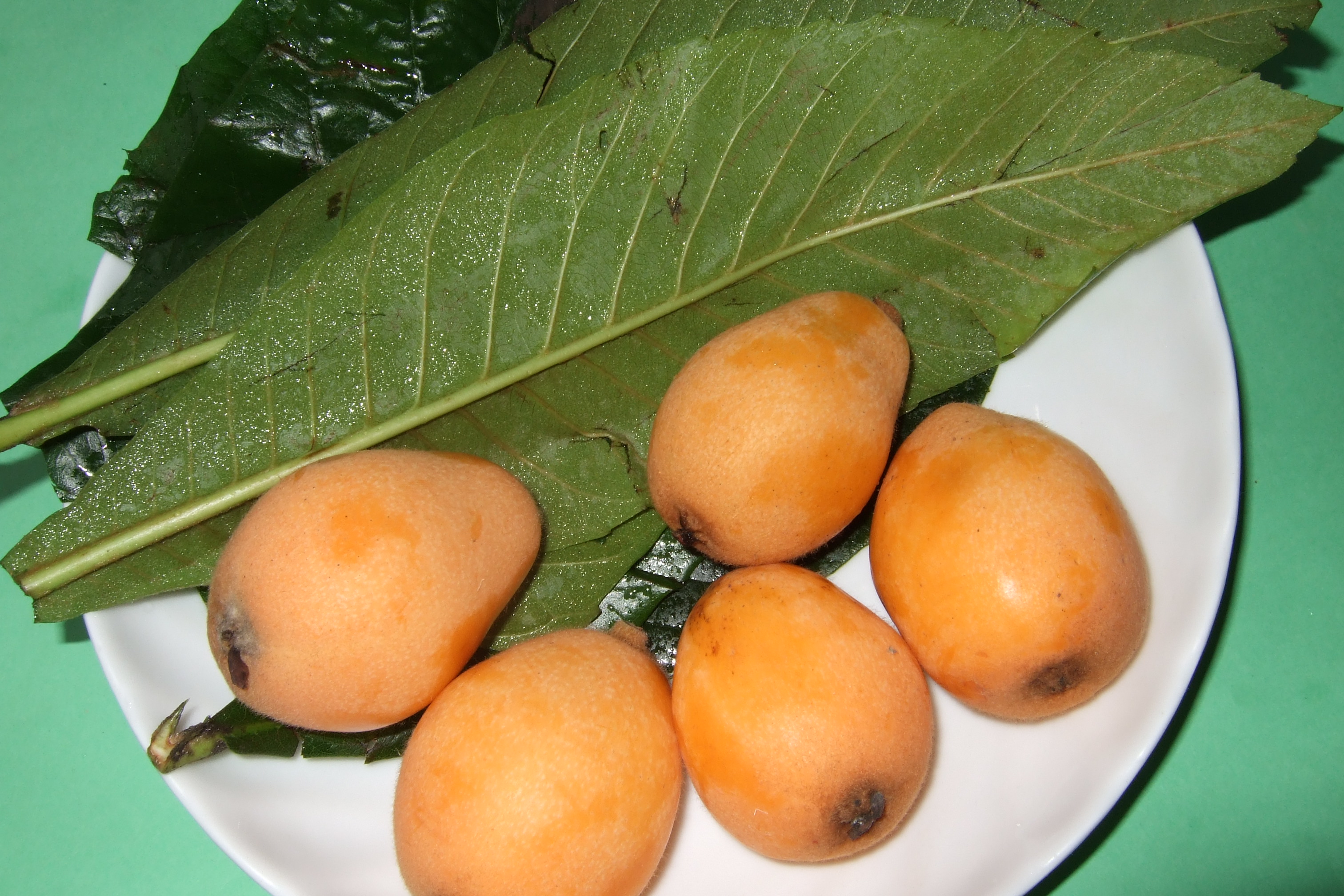
When loquats appear at the fruit stall in their golden-yellow skins, it is a sign that the season is right to make this simple home remedy. In traditional Cantonese food therapy, both the fruit and the leaves of the loquat tree are valued for their ability to soothe the airways — the fruit helps generate fluids and clear mild heat in the throat, while the leaves are considered especially useful for loosening stubborn phlegm and calming an irritated cough. Nourilo often recommends this tea for the lingering cough that stubbornly stays on after a cold has otherwise passed, and it is gentle enough for school-age children as well as adults.
Method
- Peel the loquat fruit. Keep the stones — lightly crush the flesh and stones together. The stone is said to have mild cough-relieving properties; to crush a hard stone, place it in a zip-lock bag and tap gently with a mallet.
- Prepare the loquat leaves: use a dry cloth or stiff brush to firmly wipe off the fine brownish hairs on the underside of each leaf — this step is essential, as the hairs can irritate the throat and worsen coughing. Rinse well, then snip or tear the leaves into smaller pieces.
- Place the loquat leaves and 1.2 L of water in a saucepan. Bring to a boil, then add the crushed loquat fruit.
- Simmer gently for about 30 minutes until the liquid reduces to roughly 600 ml.
- Strain through a fine sieve or muslin cloth. Add rock sugar to taste; stir until dissolved. If using honey, remove from heat first before stirring in.
- Drink warm. Can be divided into two portions and drunk throughout the day.
Nourilo’s Tips
- The hair removal step is non-negotiable — skipping it will cause the hairs to irritate the throat and make the cough worse, not better.
- Fresh loquat leaves are available at traditional herbal stalls (shan cao yao dang). If fresh leaves are not available, dried leaves from a Chinese herbal shop work well: use 30 g for an adult, 15 g for a child.
- This tea can be drunk over 4 to 5 doses. One batch (2 bowls) is generally a single adult serving.
- For a persistent dry cough without phlegm, try combining 11 g (about 9 g) of ophiopogon root (mai dong) with one-sixth of a monk fruit (luo han guo) steeped as a tea instead.
- This recipe is also suitable for older adults with constipation — the loquat leaf is thought to gently support bowel regularity.
Comments
Join the conversation — sign in or create a free account to comment.
Continue with GoogleLoading comments…