Tonic Drinks & Waters
Longan Wine
Traditionally nourishes the blood, calms the spirit and supports a healthy complexion
Why people make this wine
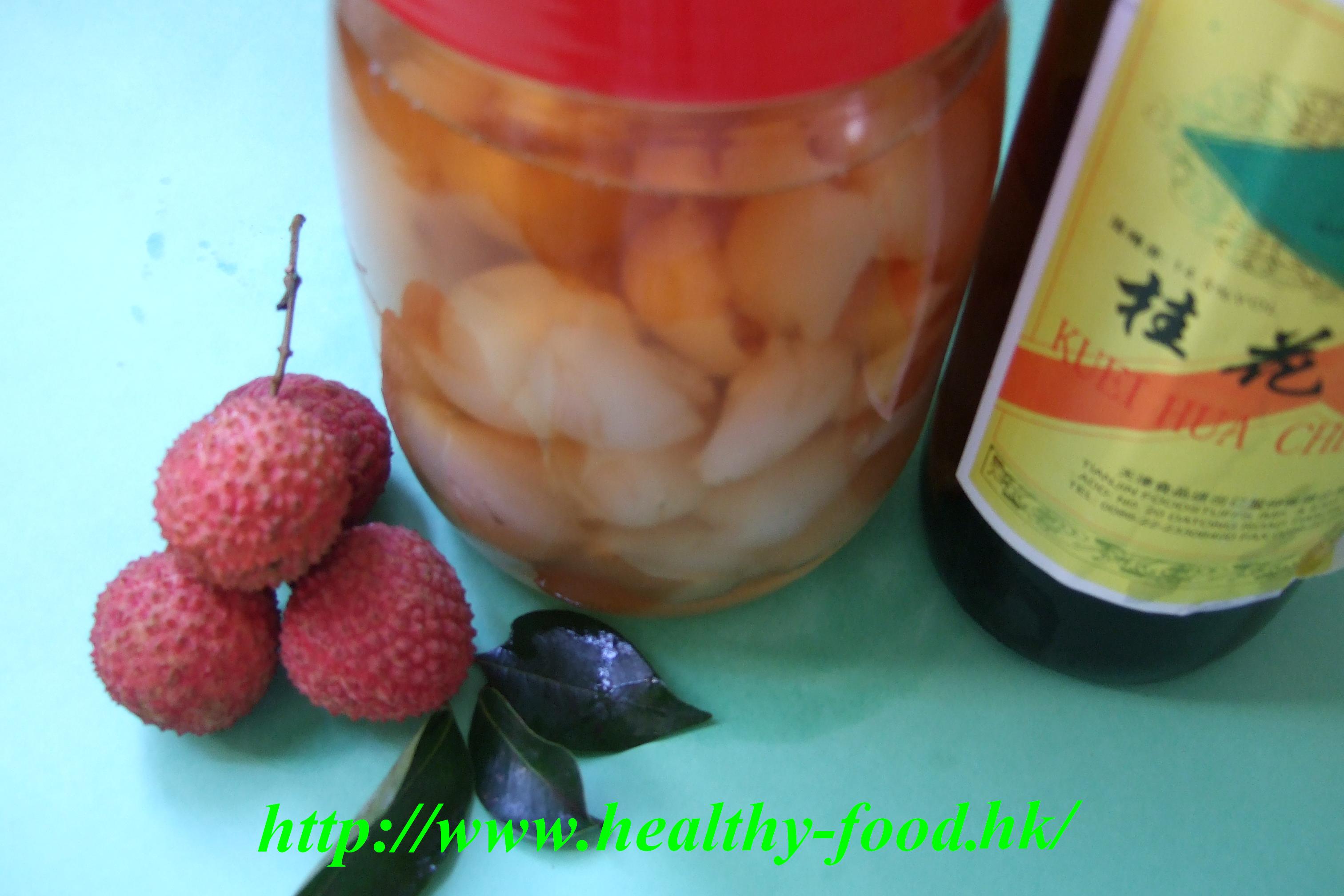
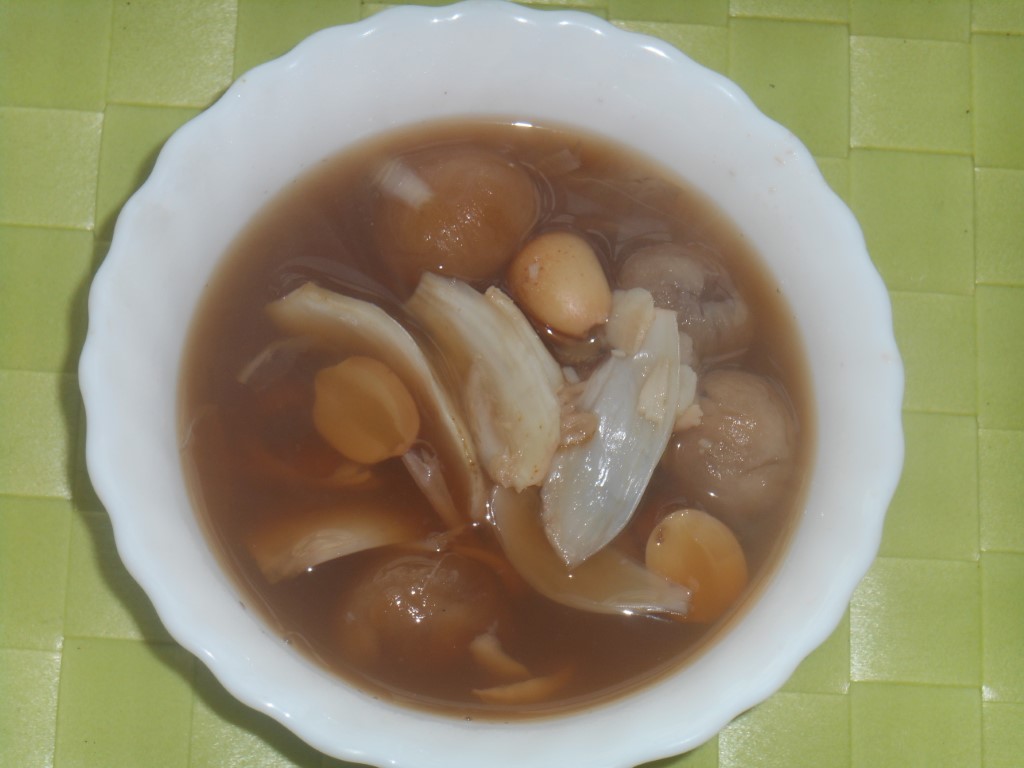
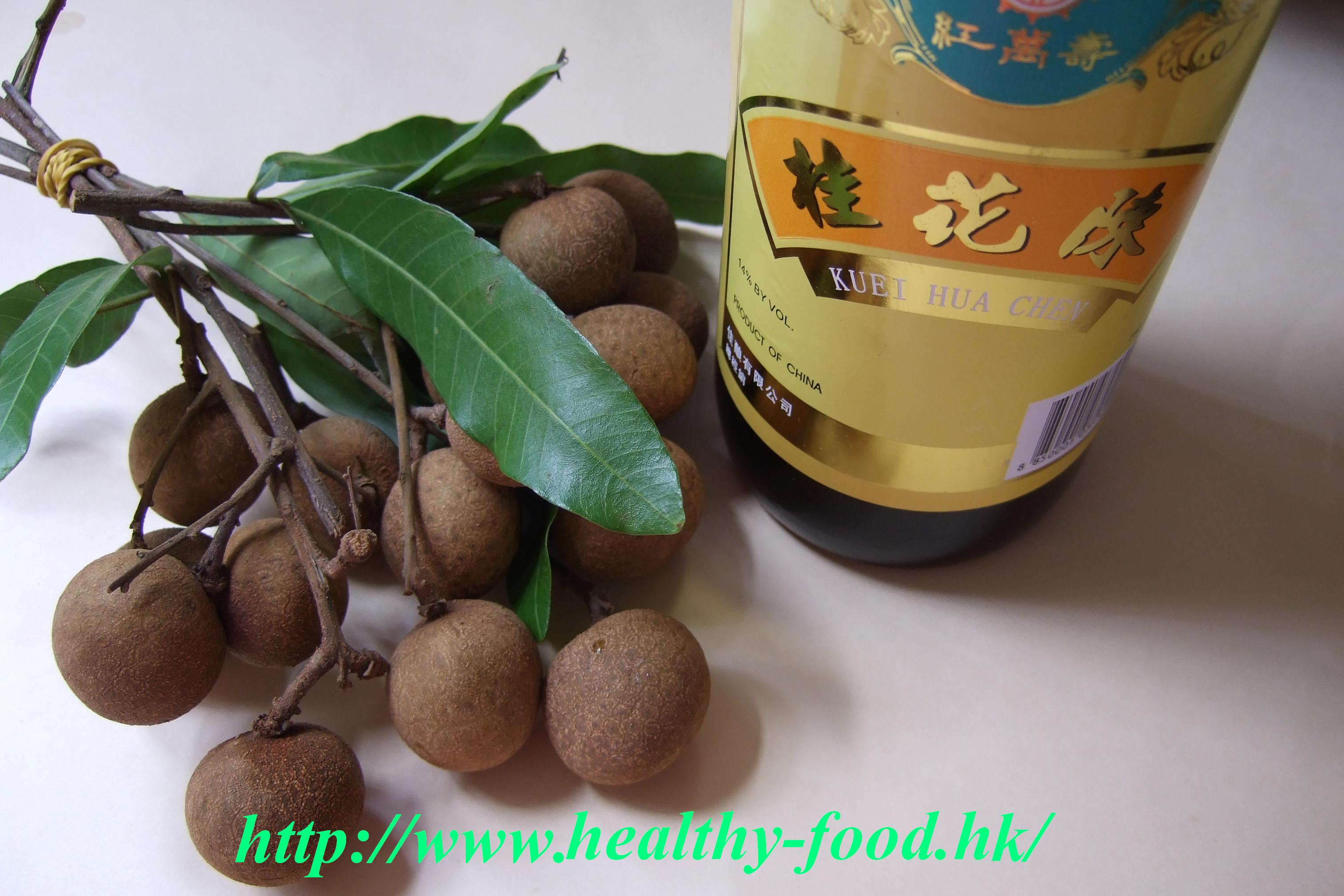
Bro Niu had just finished a couple of bottles of homemade lychee wine and loved using a splash of it in cooking — but lychee season was over. Lucky for him, big plump shi xia longan were going cheap, so he made longan wine the same way. Most longan wines use the dried fruit soaked in rice spirit; using fresh longan with rock sugar gives something nourishing without being too heating. Longan pairs naturally with goji berries, a combination traditionally said to support the liver and kidneys, build essence and blood, and calm the spirit.
Who it suits / who should be cautious
- Traditionally enjoyed in small amounts by people who feel run-down, who sleep poorly or are forgetful, and the source mentions it for those recovering after childbirth (once they are no longer breastfeeding or avoiding alcohol) and for the frail elderly.
- Contains alcohol — not for pregnancy, children, or anyone avoiding alcohol.
- Dried longan flesh is a touch warming and drying, so people who are phlegm-heavy, “fiery,” damp or with loose stools should be cautious. Cleanliness matters: any raw water or dirt on the fruit can spoil the wine.
Why these ingredients (the food-therapy logic)
- Fresh longan (long yan): Traditionally said to nourish the blood and calm the spirit; the fresh fruit with rock sugar is moistening yet less drying than the dried flesh.
- Goji berries (gou qi zi): Often paired with longan, traditionally associated with supporting the liver and kidneys.
- Osmanthus aged wine (gui hua chen jiu): The aromatic spirit base; rice or glutinous-rice wine can stand in.
- Rock sugar (bing tang): Sweetens and rounds the wine.
Ingredients (1 large jar)
| Ingredient | Amount | Notes |
|---|---|---|
| Fresh longan | ~1.2 kg (2 catties) | Peel and pit |
| Osmanthus aged wine | 1 bottle | Rice/glutinous-rice wine may substitute |
| Rock sugar | 1 cup | |
| Distilled water | 1 cup | For dissolving the sugar |
Method
- Dissolve the rock sugar in the distilled water over heat, then let it cool completely.
- Peel and pit the longan. (Tip: chilling the fruit first makes pitting easier and cleaner.)
- Place the longan flesh in a clean glass jar.
- Pour in the osmanthus wine and the cooled sugar water.
- Seal and let it steep 2–3 months before drinking.
Bro Niu’s tips
Keep everything scrupulously clean and dry — the shells carry bacteria and residues, so rinse the flesh with distilled water and make sure no raw water gets in, or the wine can turn. If your batch goes cloudy, develops sediment and an off smell, it has spoiled and should not be drunk.
Community questions answered (selected)
-
Q (Happy): I can’t find osmanthus aged wine here. Can I use white rice spirit instead — is the effect the same? And what is the distilled water for? Bro Niu: If you can’t get osmanthus wine, rice wine or glutinous-rice wine works. The distilled water is just pure, neutral water used to dissolve the rock sugar, and it’s also good for rinsing the longan flesh so nothing contaminates the wine. Any brand of distilled water is fine.
-
Q (Lily): Longan is so hard to pit — slicing with a knife releases a lot of juice. Is that how you pit yours? Bro Niu: Try freezing the longan first, then take it out to pit — it’s much easier.
-
Q (Cara): I bought a catty of dried longan in the shell. If I want to soak it in wine, what do I do? And can dried shell-on longan be used in soup — do I need to pit it? Bro Niu: Dried fruit also needs shelling; put the whole flesh into the wine to steep. For soup, also shell it before cooking, but you don’t need to pit it.
Published August 10, 2010 · Adapted and translated for Nourilo from a traditional home-kitchen recipe. Approx. 3 min read.