Home-Style Dishes
Jren Olive Paste with Young Ginger and Fermented Bean Sauce (Ren Nian Jiang)
traditionally used to stimulate appetite, aid digestion, and support stomach qi
Why people make this paste
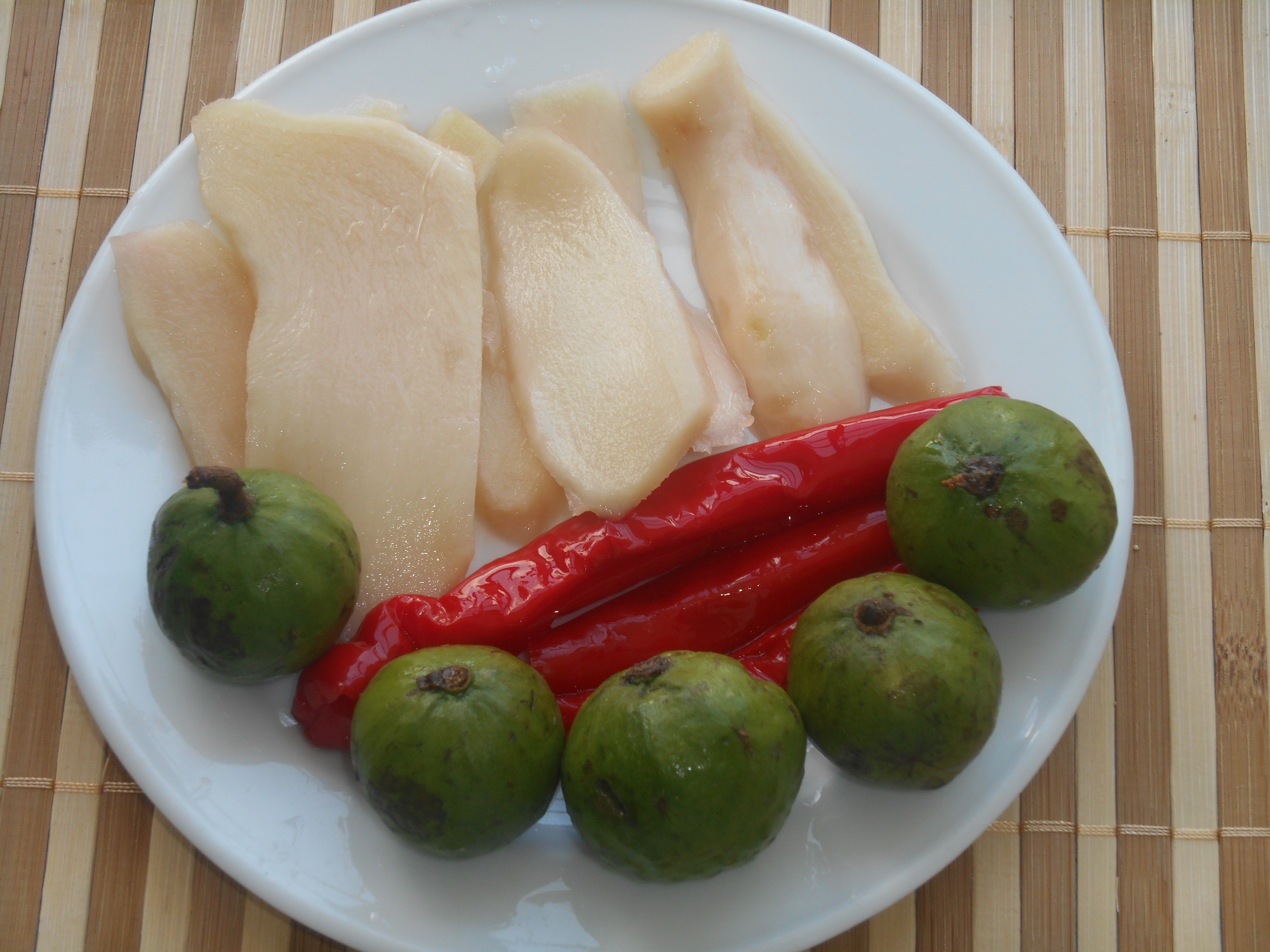
Jren olives (ren nian) are a seasonal stone fruit found in Guangdong and Hong Kong markets, distinctly different from Mediterranean olives in flavour and texture — slightly astringent and fragrant, with a firm bite. They appear only in summer and for a relatively short window, which makes them a seasonal treat worth making the most of. In Cantonese cooking tradition, combining the jren olive with young ginger and fermented bean sauce creates a condiment that is simultaneously fragrant, savoury, slightly sweet, and very appetite-awakening. It is the sort of preserve that turns a plain bowl of rice or congee into something you genuinely look forward to.
Traditional food therapy considers jren olives and young ginger together to be helpful for stagnant digestion — the kind of heavy, blocked feeling after a rich meal, or a general lack of appetite in the summer heat. A small spoonful of this paste can do what a whole pot of mild soup might struggle to achieve.
Who it suits / who should be cautious
- Suited for most adults as an occasional condiment to stimulate appetite and support digestion.
- As this paste contains fermented bean sauce and ginger, those with stomach ulcers or acid reflux may want to use it in small amounts.
- Jren olives are seasonal (summer) — if fresh ones are not available, the dish cannot be substituted with Mediterranean olives.
Why these ingredients (the food-therapy logic)
- Jren olive (ren nian): A fragrant Cantonese stone fruit, astringent and aromatic. Traditionally considered to open the appetite, support the stomach, and aid in clearing minor food stagnation.
- Young ginger (zi jiang): Warming and pungent, it helps move qi and wake up a sluggish digestive system without being as sharp as mature ginger.
- Fermented bean paste (mo chi jiang): A deeply savoury Cantonese pantry staple made from fermented soybean. Adds umami depth and supports the stomach qi in traditional terms.
- Rock sugar: Balances the savouriness and slight bitterness of the paste, and helps with the preservation once jarred.
Ingredients (1 jar)
| Ingredient | Amount | Notes |
|---|---|---|
| Jren olives (ren nian) | ~450 g (1 pound) | Seasonal — summer only |
| Young ginger | ~450 g (1 pound) | Peeled, minced |
| Fermented bean paste (mo chi jiang) | 120 g | |
| Rock sugar, crushed | 50 g | |
| Red chilli pepper | 1 | De-seeded, minced |
| Cooking oil | A drizzle | |
| Water | 1/4 bowl |
Method
- Rinse the jren olives. Using the back of a knife or a rolling pin, crack each olive flat and remove the pit. Finely chop the olive flesh.
- Peel the young ginger and mince finely. De-seed the red chilli and mince finely.
- Heat a little oil in a wok over medium heat. Add the minced olive, ginger, and chilli. Stir-fry briefly until fragrant.
- Add the fermented bean paste and stir to combine evenly.
- Pour in 1/4 bowl of water and add the crushed rock sugar. Reduce heat to low and cook, stirring occasionally, for about 20 minutes until the liquid has evaporated and the paste thickens.
- Allow to cool completely before transferring to a clean glass jar. Store in the refrigerator.
Bro Niu’s tips
Once you have this paste in the fridge, try stir-frying some of it with minced pork (about half fat, half lean) to make “jren olive paste pork” (ren nian jiang rou) — an intensely savoury topping that works beautifully over congee, noodles, or plain rice. Because the pork version is cooked, keep it for no more than 3 to 4 days. The paste itself (without added meat) keeps longer in the fridge in a sealed jar.
Community questions answered (selected)
-
Q (anonymous): Where can I buy jren olives? I cannot find them at my local market. Bro Niu: Jren olives are only in season during summer. They are a seasonal Cantonese ingredient — look for them at Chinese or Asian grocers during the summer months, or ask at specialty produce shops that carry Guangdong seasonal fruit.
-
Q (乐宇, on behalf of a friend): My friend has a small kidney stone. Can she drink the onion red-wine tonic you recommended in another post? Bro Niu: A small amount of the onion wine is fine for someone with kidney stones. As a daily practice, blanch dark green leafy vegetables before eating them — this reduces the oxalic acid content and helps minimise the build-up of calcium oxalate that can contribute to stone formation.
Published June 21, 2015 · Adapted and translated for Nourilo from a traditional home-kitchen recipe. Approx. 4 min read.