Herbal & Flower Teas
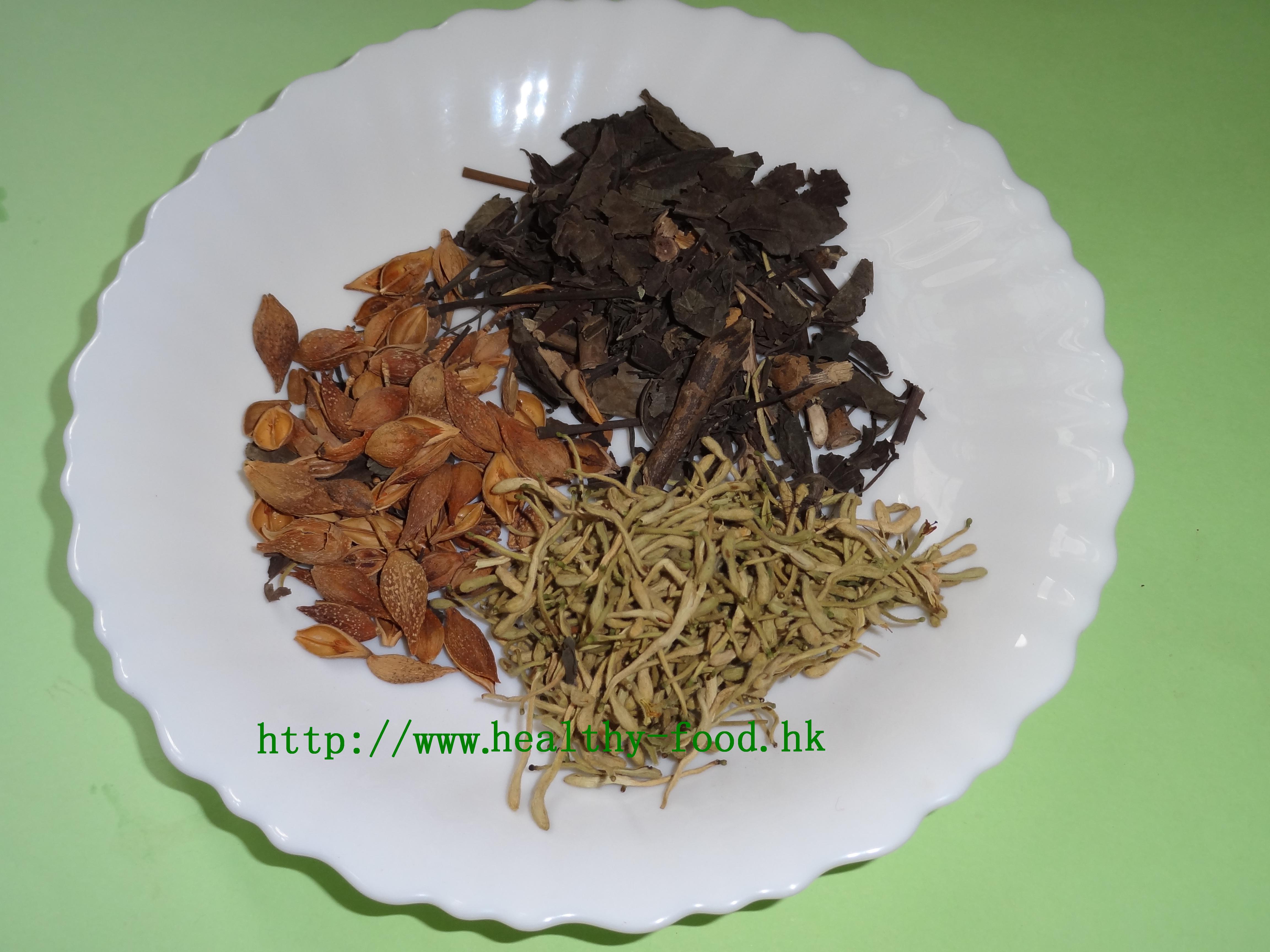
Isatis Leaf, Forsythia & Honeysuckle Detox Tea
traditionally used to clear heat, support the body against viral pathogens, and help prevent flu
Why people make this tea
As the seasons shift toward spring and humidity rises, the conditions that allow flu and other respiratory viruses to spread become ideal. In Hong Kong’s damp spring weather, Bro Niu recommends having a pot of this three-herb clearing tea on hand for the whole household — not as a cure, but as a traditional preventive measure during high-risk periods. Isatis leaf (da qing ye) is one of the most potent heat-clearing, toxin-resolving herbs in the Chinese pharmacopoeia; combined with forsythia and honeysuckle, two classic anti-viral herbs used throughout East Asian medicine, this tea is a well-tested combination for supporting the body against heat-type respiratory infections.
Who it suits / who should be cautious
- Suitable for 2–3 people as a family preventive drink during flu season, or for those with early heat-type flu symptoms (fever, sore throat, thirst, yellow phlegm).
- All three herbs are cooling to cold in thermal nature. Those with a naturally cold or weak constitution, sensitive digestive systems, or who experience loose stools should avoid this tea.
- NOT suitable for cold-type flu (chills, clear runny nose, white phlegm, no sore throat) — this formula could worsen such symptoms.
- Because these are medicinal herbs, Bro Niu recommends using this as a short-term preventive during peak season, not as a daily long-term drink.
Why these ingredients (the food-therapy logic)
- Isatis leaf (da qing ye, Isatis indigotica): Bitter and cold in nature. This herb is associated in classical Chinese medicine with powerfully clearing heat, resolving toxicity, and addressing epidemic pathogens. It is one of the traditional go-to ingredients for influenza and high fever that does not resolve. Combined with mung beans (lv dou), it is traditionally used for high, persistent fever.
- Forsythia (lian qiao, Forsythia suspensa): A primary herb in many traditional anti-viral formulas. Associated with clearing heat toxins, reducing inflammation, and dispersing nodules. Along with honeysuckle, it forms the core of the famous classical formula Yin Qiao San.
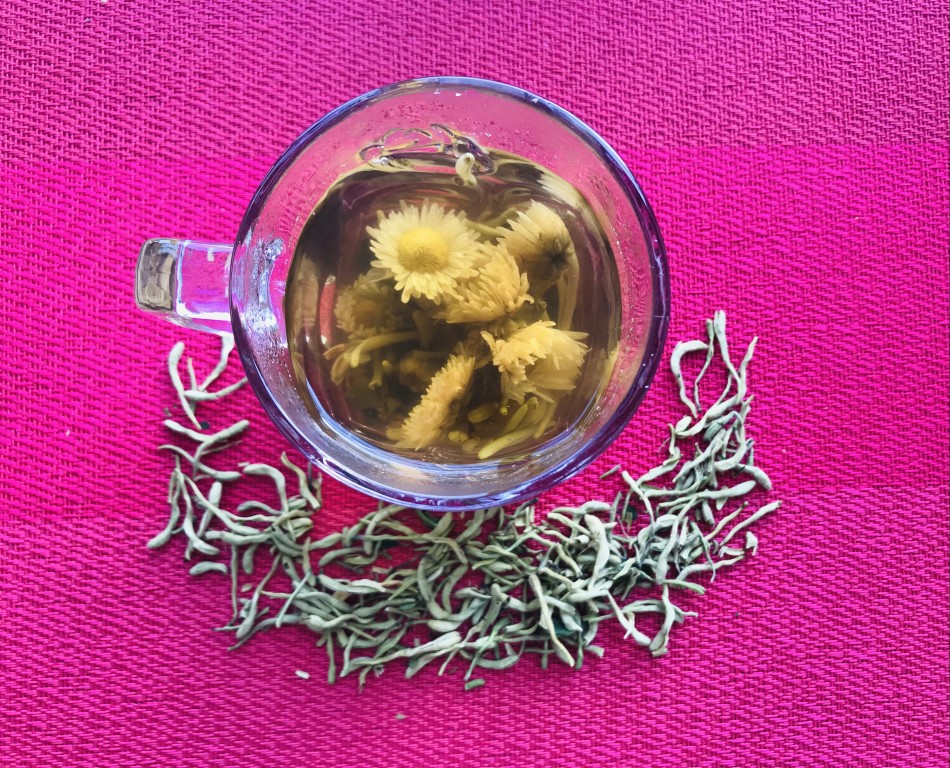
- Honeysuckle flower (jin yin hua, Lonicera japonica): Sweet, cold, and fragrant. One of the most widely used herbs for clearing heat and resolving toxicity. Particularly associated with addressing wind-heat pathogens affecting the upper respiratory tract.
Ingredients (2–3 bowls / 2–3 servings)
| Ingredient | Amount | Notes |
|---|---|---|
| Isatis leaf (da qing ye) | ~37 g (1 liang) | Available at Chinese herbal shops |
| Forsythia fruit (lian qiao) | ~18 g (5 qian) | Available at Chinese herbal shops |
| Honeysuckle flower (jin yin hua) | ~18 g (5 qian) | Available at Chinese herbal shops |
| Water | 5 bowls (~1.25 litres) |
Method
- Rinse all three herbs briefly under cold water.
- Combine in a pot with 5 bowls of water.
- Bring to a boil, then reduce to a steady simmer.
- Simmer for approximately 45 minutes until the liquid reduces to about 3 bowls.
- Strain and serve warm. Divide among 2–3 people.
Bro Niu’s tips
This tea is for 2–3 people sharing one pot. It is intended as a preventive drink during peak flu season — not something to take indefinitely. Because all three herbs are cooling, those with a cold-prone or weak constitution should substitute a gentler preventive option. For families with members who tend toward cold constitutions, a better preventive choice might be astragalus (bei qi) and red date tea, which is warming and supportive rather than clearing.
Published January 17, 2012 · Adapted and translated for Nourilo from a traditional home-kitchen recipe. Approx. 3 min read.