Herbal & Flower Teas
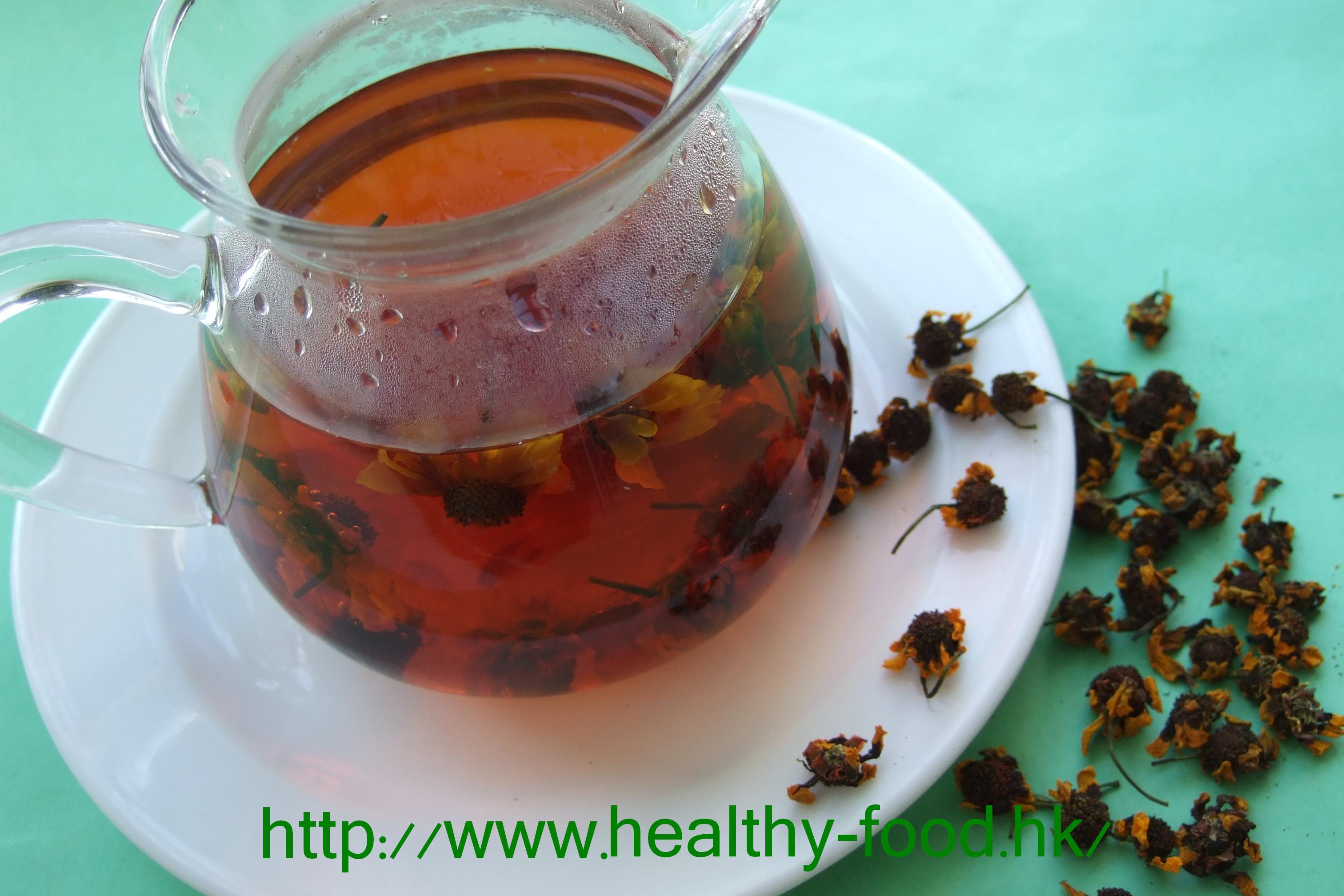
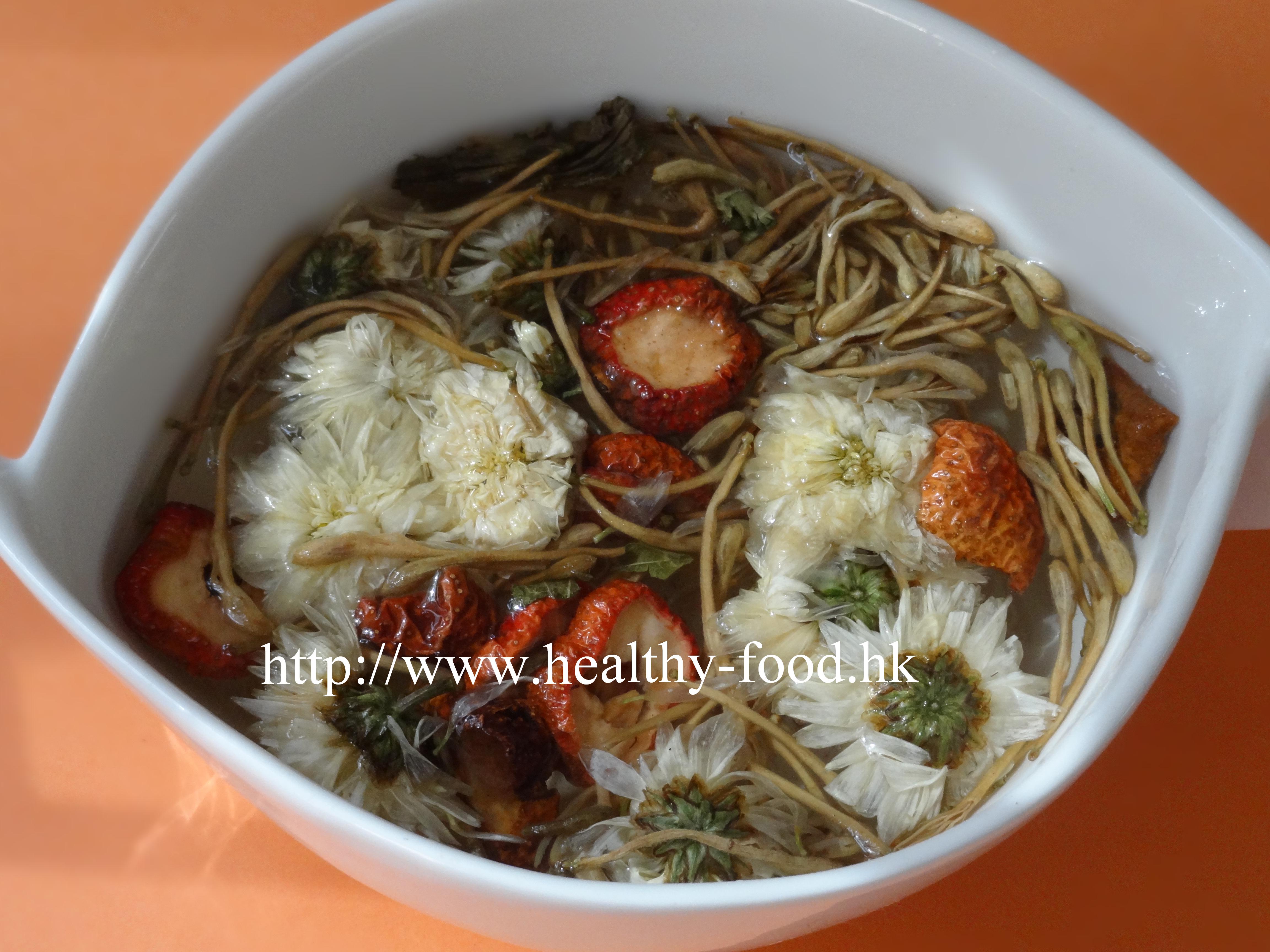
Honeysuckle Chrysanthemum Hawthorn Tea
Traditionally used to support healthy weight and cardiovascular wellness
Why people make this tea
Middle-age weight gain is something many people struggle with, and in traditional Chinese food therapy it is often seen as a sign of sluggish metabolic circulation. Bro Niu reaches for three simple, widely available ingredients — honeysuckle flower, white chrysanthemum, and hawthorn — because together they form a light, slightly tart tea that is easy to sip daily. The logic is straightforward: hawthorn has a long folk history of helping the body process fatty foods, chrysanthemum cools and clarifies, and honeysuckle is prized for its clearing properties. Think of it as a gentle daily tonic for anyone trying to keep their heart and waistline in good shape.
Who it suits / who should be cautious
- Suited to adults managing weight, those with elevated blood lipids or blood pressure, or anyone who simply wants a refreshing daily tea
- People with a naturally cold constitution may want to remove the honeysuckle and use only hawthorn and chrysanthemum
- Contraindicated for those with G6PD deficiency (favism) — honeysuckle is on the avoidance list
- Not recommended during pregnancy — many floral teas may mildly stimulate the uterus
- Those with stomach ulcers or acid reflux should drink this between meals, not on an empty stomach; adding 4 slices of zhi gan cao (prepared licorice root) can help buffer the stomach
- Hawthorn is sour and gas-consuming; those with significant qi deficiency should use it in moderation
Why these ingredients (the food-therapy logic)
- Honeysuckle flowers (jin yin hua): Traditionally associated with clearing heat and supporting the body’s defensive functions. Its light fragrance makes it pleasant to brew as a tea.
- White chrysanthemum (bai ju hua): Traditionally used to cool the liver, support clear vision, and calm upward-rising heat. Milder and less bitter than yellow chrysanthemum, with a clean floral aroma.
- Hawthorn (shan zha): One of the most well-known digestive herbs in Chinese food therapy; traditionally associated with helping the body break down and process fats, supporting healthy circulation, and aiding digestion after rich meals. Note: hawthorn is considered warming in nature, which partially offsets the cooling tendency of the other two herbs.
Ingredients (1–2 cups)
| Ingredient | Amount | Notes |
|---|---|---|
| Honeysuckle flowers (jin yin hua) | ~9 g (3 qian) | Buy from a specialty tea shop for a clean, sweet fragrance; avoid bulk pharmacy bins where flowers may absorb other herb aromas |
| White chrysanthemum (bai ju hua) | ~9 g (3 qian) | White variety is milder; yellow (huang ju) is stronger and more bitter |
| Hawthorn slices (shan zha) | ~9 g (3 qian) | Dried slices, widely available in Chinese herb shops and some Asian supermarkets |
Method
- Combine all three ingredients in a teapot or heatproof mug.
- Pour in a small amount of freshly boiled water, swirl briefly, then discard — this rinse cleans the herbs and releases a bit of the aroma.
- Pour in freshly boiled water (a full cup or enough to fill your vessel).
- Cover and steep for about 5 minutes.
- Drink warm. The tea can be re-steeped 2–3 times, adding boiling water each time, until the flavor becomes very faint.
Bro Niu’s tips
- Drink one batch (two cups) per day, split between two sittings. If you have no stomach-acid issues, drink before meals; otherwise drink after eating.
- If your constitution tends cold or you find the tea slightly cooling, try removing the honeysuckle and using just chrysanthemum and hawthorn — the blend becomes much gentler. You can also add a slice of dried tangerine peel (chen pi) to warm things up.
- For 4–5 people, scale each ingredient to roughly 1 qian per person, and simmer in 6 bowls of water for about 10 minutes to yield 5 bowls.
- Buy honeysuckle from a flower-tea or specialty grocery shop in individually packaged bags when possible; bulk pharmacy-stored flowers can pick up other herb aromas and taste unpleasant.
Community questions answered (selected)
-
Q (Elaine S): I have qi deficiency and high cholesterol; my husband has a fatty liver. We both have weak digestion. I’ve bought hawthorn and chrysanthemum — what else should we add? Bro Niu: Hawthorn and chrysanthemum tea can help with fatty liver and high cholesterol. Because hawthorn is sour, it is best drunk between meals. Add 4 slices of zhi gan cao (prepared licorice root) — it is friendly to the stomach.
-
Q (reader): Can someone with a cold constitution or yin deficiency drink this every day? Can adding chen pi (tangerine peel) help? Bro Niu: You can drink it daily — start for a week and see how your body responds; if it feels right, switch to 3–4 times a week. Chen pi is fine to add. Hawthorn itself is warming in nature, so it helps reduce the cooling effect of the honeysuckle and chrysanthemum.
-
Q (reader): The hawthorn water I brew — is it suitable for all body types? Can children drink it? Bro Niu: Hawthorn, if consumed in excess, consumes qi. People with stomach ulcers or qi deficiency should not overuse it. For children — unless there is obvious food stagnation — too much hawthorn can weaken the spleen and stomach over time, cause digestive problems, thinness, and may even harm the teeth. Use sparingly.
Published July 18, 2012 · Adapted and translated for Nourilo from a traditional home-kitchen recipe. Approx. 4 min read.