Home-Style Dishes
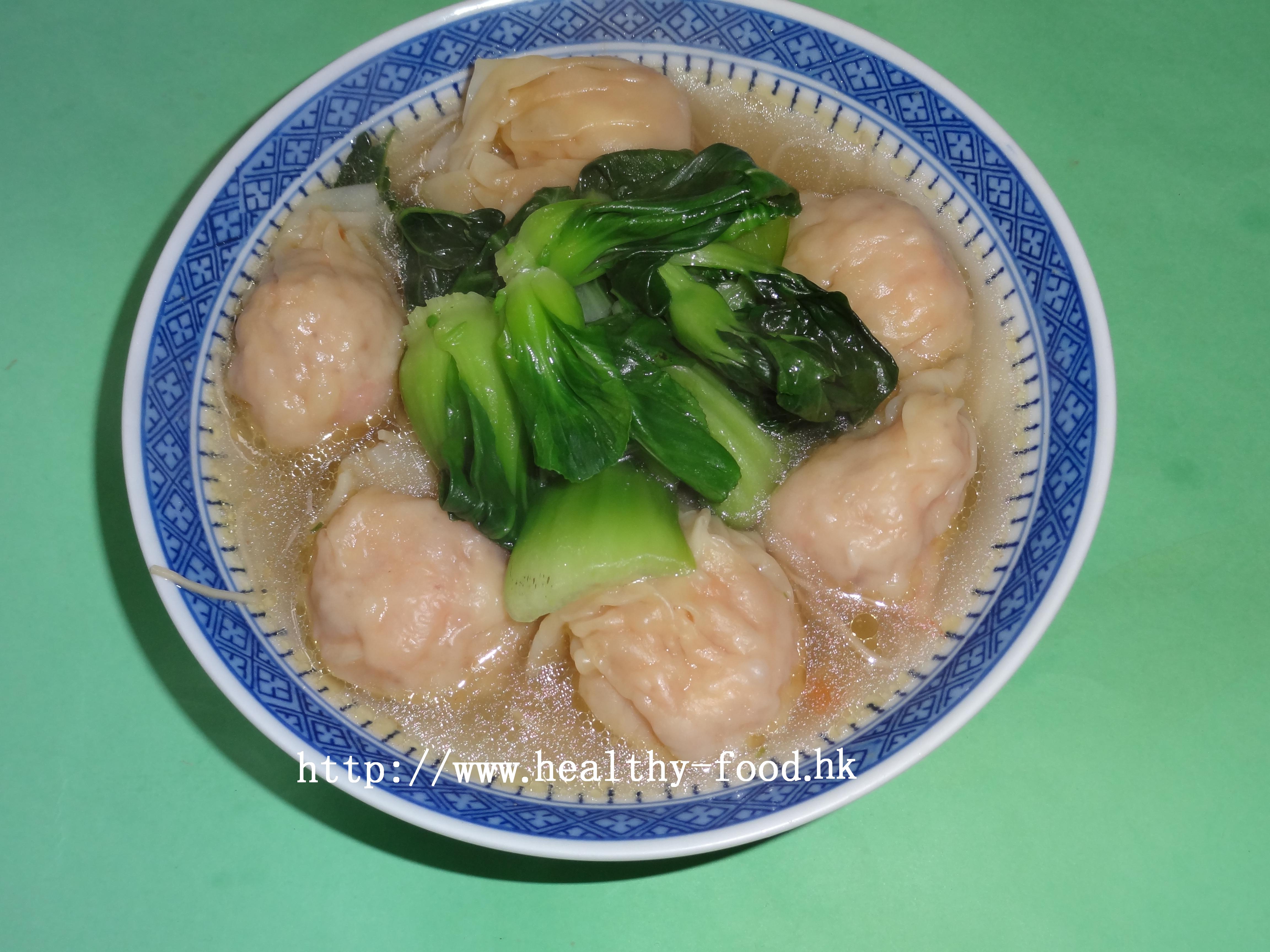
Cantonese Shrimp Wonton and Shanghai Watercress Wonton
a nourishing homemade comfort food; pork and shrimp provide protein and warmth
Why people make these wontons
There is something especially satisfying about gathering the family around the table and wrapping wontons together — everyone pitches in, the conversation flows, and the meal that follows feels all the more rewarding. Bro Niu shares two styles here: the Cantonese cloud wonton (yun tun), with its plump whole shrimp filling, and the Shanghai-style wonton with a watercress and pork filling that is rustic, fragrant, and deeply comforting. Both are much lighter and less greasy than what you find at most restaurants, where the cost of ingredients is often cut.
Who it suits / who should be cautious
- These are everyday nourishing home dishes suitable for most people
- Shrimp provides lean protein; pork provides warmth and sustenance
- Those who are unwell, have a cold, or have specific dietary restrictions (shellfish allergy, for instance) should use judgment
Why these ingredients (the food-therapy logic)
- Shrimp (xian xia): In Chinese food therapy, shrimp is considered warming and tonifying, particularly for yang energy; also a good source of protein and minerals.
- Watercress (xi yang cai): Regarded as slightly cooling and beneficial for the lungs and respiratory tract; blanching and squeezing it dry before using removes excess moisture and bitterness.
- Pork (zhu rou): Nourishes yin and provides sustained energy; semi-fatty pork gives the filling moisture and flavour without being heavy.
- Egg white: Used in the marinade and filling to bind ingredients and give a silky, springy texture.
Ingredients (about 28 pieces, 4 servings)
Cantonese shrimp wonton:
| Ingredient | Amount | Notes |
|---|---|---|
| Fresh whole shrimp | about 525 g | Shell and devein; rinse under running water 5 minutes, pat dry |
| Minced semi-fatty pork | about 75 g | Season with soy sauce and mix well |
| Egg white | 1 | Split between shrimp and pork marinade |
| White pepper, potato starch | to taste | For marinade |
| Cantonese wonton wrappers | 28 sheets | Thin, square wrappers |
Shanghai wonton:
| Ingredient | Amount | Notes |
|---|---|---|
| Watercress | 1 large bunch | Blanched, squeezed very dry, finely chopped |
| Minced semi-fatty pork | to taste | Best chopped again by hand for texture |
| Egg white, salt, light soy sauce, white pepper, potato starch | to taste | Stir until filling becomes sticky |
| Shanghai wonton wrappers | as needed | Thinner than dumpling wrappers |
| Coriander, spring onion, egg crepe strips | for garnish | |
| Hot broth | for serving | Chicken carcass and pork bone broth, with a pinch of dried flounder powder if available |
Method
Cantonese shrimp wonton:
- Shell and devein the shrimp; rinse under cold running water for about 5 minutes. Pat completely dry.
- Cut each shrimp into 1–2 pieces. Marinate with egg white, a pinch of white pepper, and a little potato starch.
- Season the minced pork separately with light soy sauce and a little egg white. Mix the shrimp and pork together and refrigerate for at least 30 minutes.
- Place a small mound of filling in the centre of each wrapper and fold/crimp to seal.
- Drop wontons into a large pot of boiling water. Stir gently with a ladle to prevent sticking. When they float, they are done — serve immediately in hot broth with noodles and blanched greens.
Shanghai wonton:
- Blanch the watercress briefly, then rinse under cold water and squeeze out all liquid very thoroughly. Chop finely, then squeeze again.
- Hand-chop or further mince the pork for a better texture. Combine pork, watercress, salt, egg white, soy sauce, white pepper, and potato starch. Stir in one direction until the mixture becomes sticky.
- Wrap using Shanghai-style wrappers and seal securely.
- Cook in a large pot of boiling water for about 4–5 minutes until they float. Once floating, add a small bowl of cold water, cover, and bring back to the boil — then they are done. This extra step ensures the filling is fully cooked without the meat becoming tough.
- Remove with a slotted spoon. Scatter with coriander, spring onion, and thin strips of egg crepe. Ladle over piping hot broth and serve.
Bro Niu’s tips
When you drop the wontons in, give them a gentle stir right away with a spatula to prevent them from sticking to the bottom of the pot. For the broth, Bro Niu uses chicken carcass and pork bone simmered together, with a teaspoon of dried flounder powder added at the end — this gives the soup an irresistibly savoury depth. The Shanghai wonton tip of adding cold water after they float, then letting it return to the boil, guarantees the filling is properly cooked and keeps the meat tender.
Community questions answered (selected)
-
Q (陈太): For 4 people, how much shrimp and pork should I buy, and how do I make the broth? Bro Niu: For 28 wontons serving 4 people, buy about 525 g (14 oz) of whole shrimp and about 75 g (2 oz) of pork, with 1 egg white and seasoning, and 28 wonton wrappers. For the broth, I like to simmer chicken carcass and pork bones together, then stir in a teaspoon of dried flounder powder at the end — it makes the broth wonderfully fragrant.
-
Q (Lai): The watercress season is almost over after the Start of Spring. What else can I use for the filling? Bro Niu: You are right that watercress loses quality after that point. If you see the stems are thin and spindly, they won’t taste good. You can use Chinese cabbage (ye cai), or try carrot strips with dried cordyceps flower and minced pork — that also works nicely. Just note that cabbage is not ideal for people with thyroid issues or heavy dampness.
Published February 5, 2012 · Adapted and translated for Nourilo from a traditional home-kitchen recipe. Approx. 4 min read.