Home-Style Dishes
Hawthorn Fruit Syrup (Shan Zha Guo Jiang)
traditionally used to stimulate appetite, ease food stagnation and support healthy cholesterol
Why people make this syrup
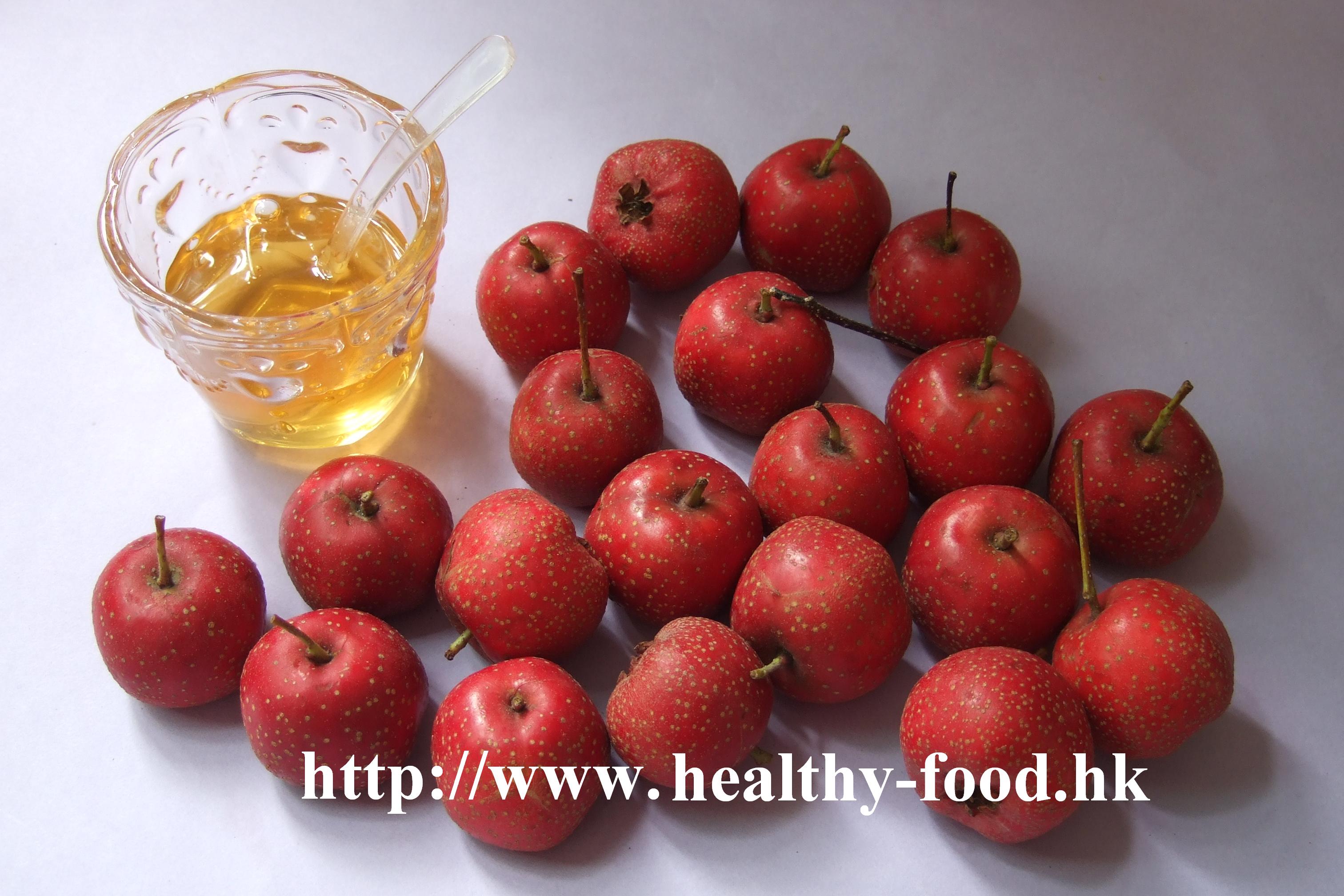
Fresh hawthorn berries appear in the autumn — small, deep red, and eye-catching. Hawthorn has one of the longest track records in Chinese food therapy for helping the body process rich, fatty food and easing the sluggish, heavy feeling that follows a big meal. Rather than eating the fresh berries daily (which can be quite sour and hard on the stomach in large amounts), this syrup approach lets you cook down a large batch, store it in the fridge, and simply stir a spoonful into warm water whenever you need it. It keeps for a good while and is convenient enough to actually use.
Who it suits / who should be cautious
- Anyone who regularly feels bloated or heavy after meals, especially fatty or rich food
- People with sluggish appetite, including children with food accumulation (shi ji)
- Those with high blood pressure or high cholesterol who want a food-based complementary approach alongside medical care
- Women with painful periods or postpartum abdominal cramping
- People with excess stomach acid or stomach ulcers should use very small amounts or avoid — hawthorn’s sourness can irritate an inflamed stomach lining
- Pregnant women: check with a practitioner; hawthorn in large amounts is traditionally considered potentially stimulating to the uterus
Why these ingredients (the food-therapy logic)
- Hawthorn (shan zha): Among the most well-established digestive foods in traditional Chinese practice; associated with dissolving food stagnation, particularly from fatty meat or oily food; also traditionally linked to improving blood circulation, gently lowering blood pressure, and supporting healthy cholesterol levels; modern research has explored compounds in hawthorn (oligomeric proanthocyanidins, flavonoids) that may support cardiovascular function
- Honey: Provides gentle sweetness to balance hawthorn’s pronounced sourness; honey is traditionally considered mildly nourishing and soothing to the stomach; it also acts as a natural preservative
Ingredients (makes approx. 2 cups syrup)
| Ingredient | Amount | Notes |
|---|---|---|
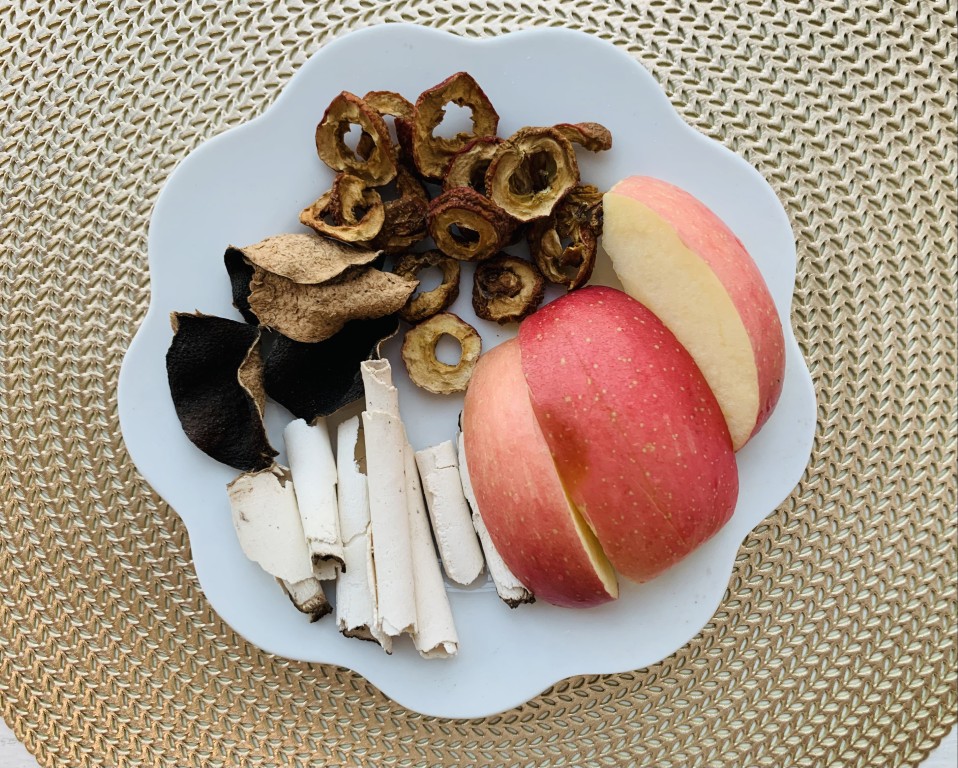
| Fresh hawthorn berries | 450 g (1 lb) | Or use 225 g dried hawthorn slices |
| Honey | ~one-third volume of cooked liquid | Adjust to taste; add after cooling |
Method
- Wash the hawthorn berries thoroughly. If using fresh berries, cut them open to check for insects and remove the seeds if preferred.
- Place the berries in a pot with 6 bowls (approximately 1.2 litres) of water.
- Bring to a boil, then reduce heat and simmer gently for 2 hours, until the liquid reduces to about 2 bowls (approximately 400 ml).
- Strain through a fine sieve or cloth, pressing to extract all the liquid. Discard the pulp.
- Allow the liquid to cool slightly (not hot), then stir in honey — approximately one-third the volume of the liquid. Mix well.
- Transfer to a clean glass jar and refrigerate.
- To use: stir 1 tablespoon into a cup of warm water and drink. Do not use boiling water, which can damage the honey.
Bro Niu’s tips
- This syrup can be stored in the fridge for a reasonable period. Make a batch when fresh hawthorn is in season (typically autumn) and use throughout the year.
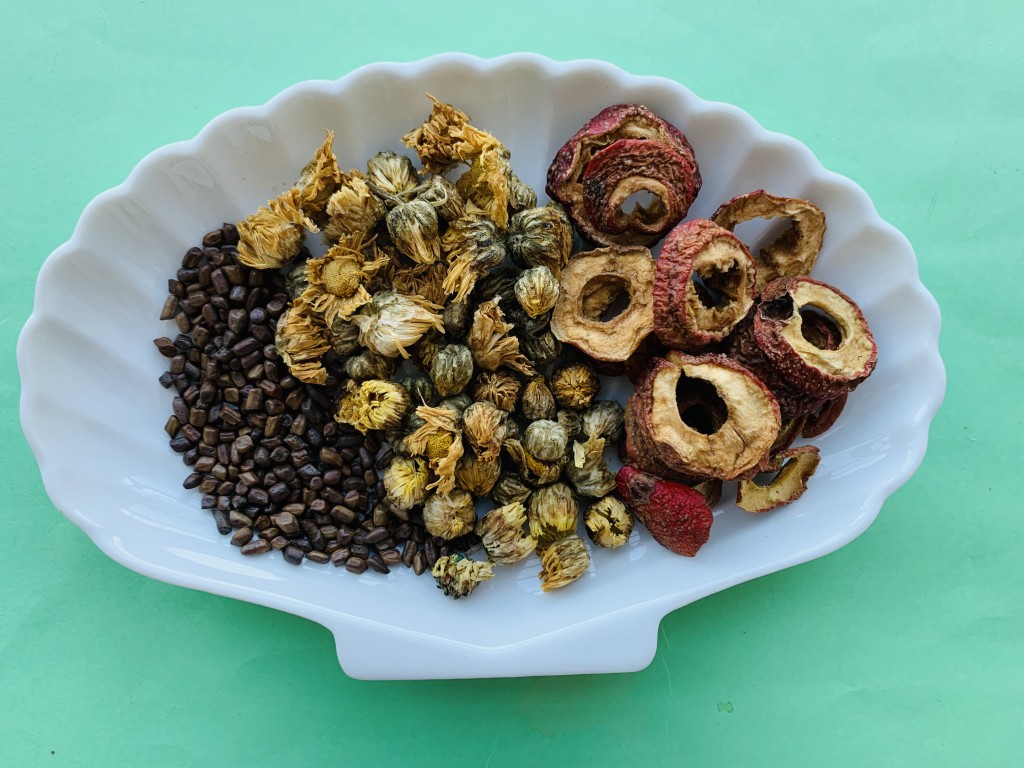
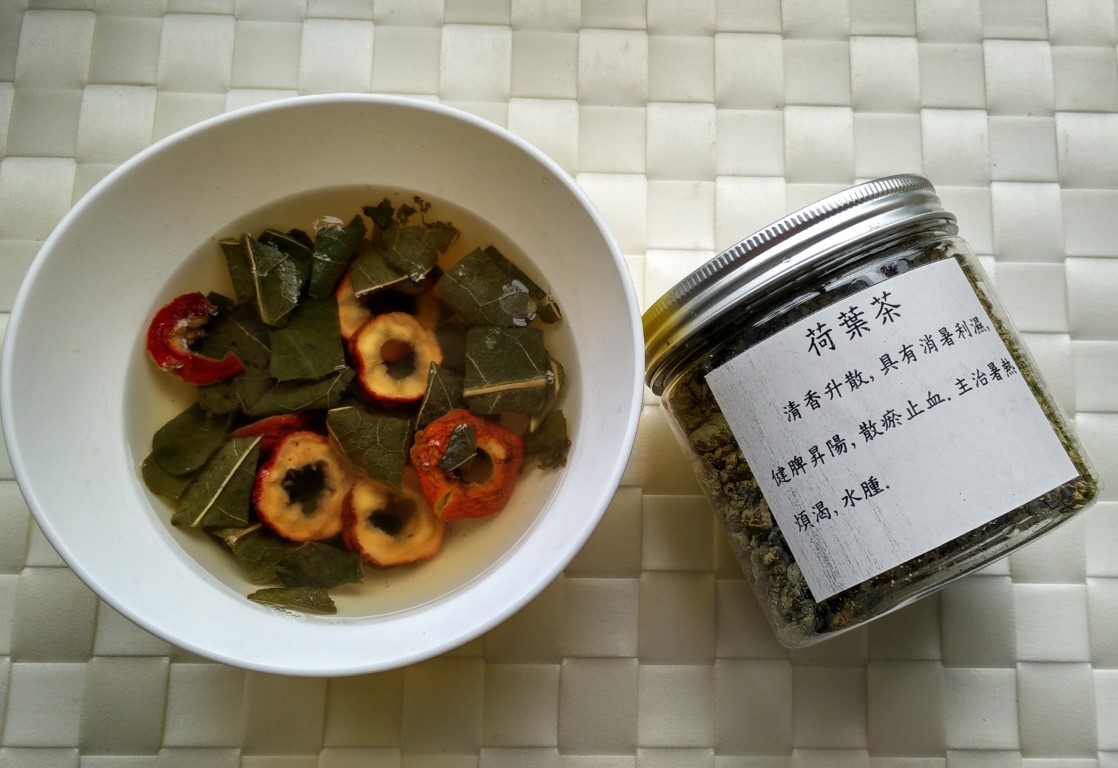
- Fresh hawthorn has a short season. When you cannot find fresh berries, dried hawthorn slices work equally well — use half the weight (about 225 g / half a jin) and follow the same method. Fresh hawthorn berries are available at Asian grocers or online when in season; dried slices are available year-round at Chinese herb shops or Asian food stores.
- The syrup is also associated with helping postpartum abdominal cramping and dysmenorrhoea — take 1 tablespoon diluted in warm water.
- For children with food stagnation (reduced appetite, distended tummy, general crankiness after eating), a diluted version — half a teaspoon in warm water — can be helpful. Keep portions small for young children.
Community questions answered (selected)
-
Q (ctc): When you say add one-third volume of honey, do you mean one-third of the two bowls of cooked liquid, or one-third of the original pound of hawthorn? Bro Niu: It is one-third of the cooked liquid. So if you end up with one bowl of strained hawthorn juice, you would add one-third of a bowl of honey and stir to combine.
-
Q (LadyAng): If I use dried hawthorn instead of fresh, how much should I use and is the method the same? Bro Niu: Use half a jin (225 g) of dried hawthorn slices. The cooking method is the same — just simmer in water until reduced, then strain and add honey.
-
Q (小滋滋): I have been very stressed lately and keep getting stomach discomfort at night — sometimes waking up with nausea or diarrhoea, but fine during the day. What food therapy would help? Bro Niu: This sounds like liver-stomach disharmony from tension — when the liver’s qi becomes constrained by stress, it affects the stomach. Try a broth of xiang fu (cyperus rhizome), sha ren (cardamom), and dang shen (codonopsis) 3 qian each, cooked with fresh fish or lean pork. Day-to-day, you can also brew rose and osmanthus flower tea, which gently helps to ease the liver’s tension.
Published November 23, 2011 · Adapted and translated for Nourilo from a traditional home-kitchen recipe. Approx. 4 min read.