Herbal & Flower Teas
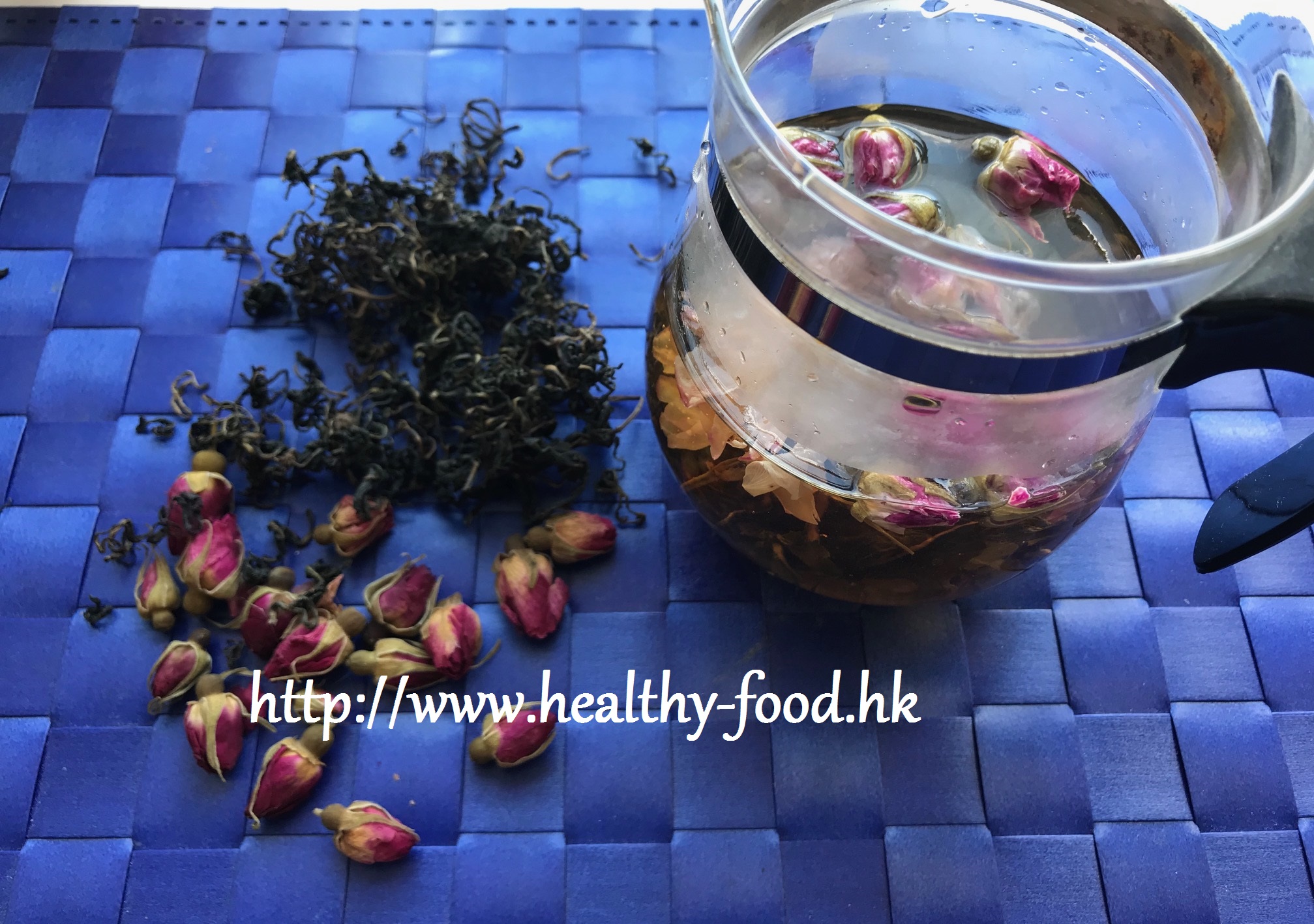
Dandelion & Rose Flower Tea
Traditionally associated with supporting stomach lining health and inhibiting H. pylori activity
Why people make this tea
Helicobacter pylori (H. pylori) is a remarkable bacterium — it is the only known microorganism that can survive in the highly acidic environment of the human stomach. It spreads easily through contaminated water, shared utensils, and undercooked food, meaning entire family members may sometimes carry it without knowing. The good news is that modern medicine has effective antibiotic treatments for it, and diagnosis no longer requires an invasive endoscope — a simple breath test is sufficient. However, once someone has had H. pylori and suffered gastric lining damage, gastritis, or gastric ulcers, the risk of recurrence is real. Bro Niu recommends this dandelion and rose tea as a gentle, ongoing wellness drink to support the stomach lining and create an environment less hospitable to the bacteria. The combination is clever: dandelion (pu gong ying) has documented activity against H. pylori and protects the gastric mucosa, while rose (mei gui hua) warms the stomach and reduces dandelion’s cooling nature — making this blend appropriate even for those who normally cannot tolerate cooling herbal teas.
Who it suits / who should be cautious
- Suitable for those with a history of H. pylori infection, chronic gastritis, excess stomach acid, or gastric discomfort after eating
- The rose flower in the blend moderates dandelion’s cooling nature, making this suitable even for those with a slightly cold stomach constitution
- Pregnant women should not drink flower-herb teas
- This is a supportive wellness tea, not a substitute for medical treatment; if you suspect H. pylori infection, please see a doctor
Why these ingredients (the food-therapy logic)
- Dandelion (pu gong ying, Taraxacum officinale): One of the best-studied natural herbs with documented H. pylori inhibitory activity. Contains taraxacin, inulin, pectin, and choline — compounds associated with protecting the gastric mucosa, supporting liver and gallbladder function, and clearing heat and toxins
- Rose petals (mei gui hua): In Chinese food therapy, rose warms the stomach and improves qi flow; it also activates blood circulation and supports liver function. Importantly here, rose reduces the cooling nature of dandelion, making the blend more broadly suitable
Ingredients (1–2 cups)
| Ingredient | Amount | Notes |
|---|---|---|
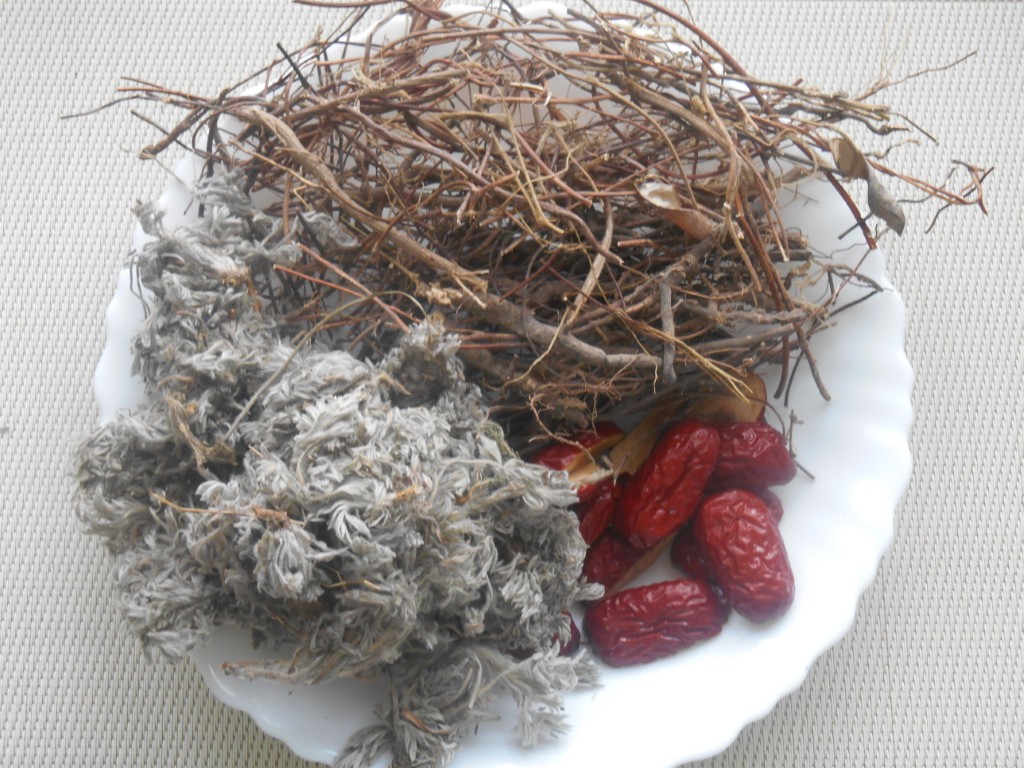
| Dandelion herb tea (pu gong ying) | 1 tablespoon | Dried or loose-leaf herbal tea form |
| Dried rose petals (mei gui hua) | 1 tablespoon |
Method
- Place the dandelion and rose petals in a teapot.
- Rinse once with a little boiling water; discard that first rinse.
- Pour fresh boiling water over the herbs and steep for 7–8 minutes.
- Pour and drink. You can continue to re-steep with fresh boiling water until the tea becomes pale and flavourless.
Bro Niu’s tips
This is a tea that can be enjoyed as a regular daily habit, not just when experiencing symptoms. Dandelion tea is available in health food shops, Chinese herbal medicine stores, and some supermarkets. Rose petals are widely available at Chinese dry goods stores and flower tea shops. Dried clove (ding xiang) tea is another herb associated with H. pylori inhibition — Bro Niu mentions it as an alternative or complement to dandelion. Pregnant women should not drink herbal flower teas of any kind.
Community questions answered (selected)
-
Q (Cola): I had H. pylori treated with antibiotics and it was cured. But when I don’t eat carefully or drink too much coffee, my stomach feels hot with excess acid. I have yin-deficiency heat and slightly high blood pressure — can I drink this tea? Bro Niu: Yes, you can drink this tea. H. pylori is a very tenacious bacterium — once you have been infected, recurrence is common, so it is important to be careful with your diet and to drink this tea regularly as a maintenance measure.
-
Q (苏太): I had uterine polyps removed previously and my period has been irregular. Can I drink black wood ear and lotus root with red date tea? Bro Niu: Around age 49, entering perimenopause can cause irregular periods — if there is no heavy bleeding or abdominal pain, do not worry too much. Foods like sea cucumber, black wood ear, lotus root (with nodes), and red beet are all helpful. Uterine polyps and fibroids tend to shrink naturally as menstruation ends.
-
Q (Fung): I may be entering menopause. I have palpitations, hand tremors, sudden sweating, dizziness, and shoulder pain. What food therapy can help? Bro Niu: Try wheat grain (xiao mai mi) 1 liang, honey-fried liquorice (zhi gan cao) 2 qian, spirit poria (fu shen) 5 qian, lily bulb (bai he) 1 liang, and red dates or Chinese dates 5 pieces, with a little rock sugar. Use 7 bowls of water, simmer for 1.5 hours down to 4 bowls. Take over 2 days; drink 3 servings (6 days total) to see if there is improvement.
Published July 26, 2020 · Adapted and translated for Nourilo from a traditional home-kitchen recipe. Approx. 4 min read.