Tonic Drinks & Waters
Homemade Green Plum Wine (Qing Mei Jiu)
traditionally used both internally and as a topical rub to ease nerve pain and support digestion
Why people make this wine
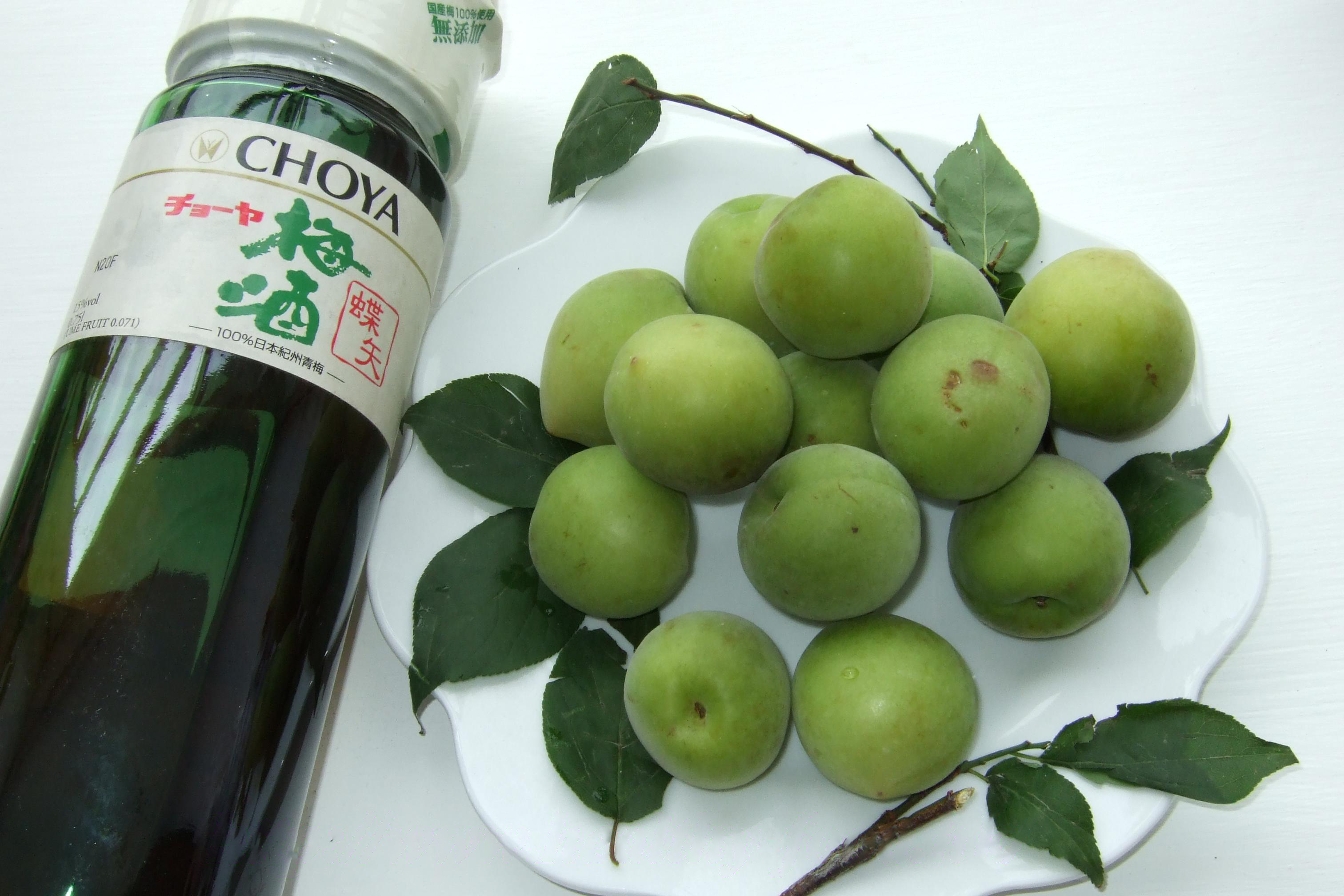
Fresh green plums are a seasonal ingredient, available in spring at Asian grocers and Chinese herb shops. The process is simple: plums, sugar, rice wine, and patience. Traditional Chinese food therapy considers green plum wine a gentle tonic for the digestive system, associated with supporting the body’s absorption of nutrients and bolstering immunity. Beyond drinking it, the same wine is applied externally as a topical rub for the relief of sciatica — massaged into the affected area until the skin feels gently warm. Commercially made Japanese umeshu (such as Choya) can be used as a ready-made substitute if fresh green plums are out of season.
Who it suits / who should be cautious
- Those with sciatica discomfort, joint stiffness, or mild nerve pain may benefit from both internal consumption (one small cup daily) and topical application
- Also traditionally valued for digestive support and general immune wellness
- Not suitable for those who cannot consume alcohol, including pregnant women, children, and anyone on medication that interacts with alcohol
- Do not exceed one small cup per day when drinking it
Why these ingredients (the food-therapy logic)
- Green plums (qing mei): Tart and slightly astringent, green plums are traditionally associated with supporting digestive health, promoting fluid balance, and helping the body resist fatigue. When steeped in rice wine, the active compounds are extracted into the liquid
- Rock sugar or honey: Balances the tartness of the plum and softens the overall character of the wine; use the amount that suits your taste
- Red rice wine / glutinous rice wine (nuo mi jiu): A mildly sweet, low-alcohol rice wine traditional in Cantonese and Fujian cooking; its warming nature is said to carry the benefits of the plum throughout the body
Ingredients (1 jar)
| Ingredient | Amount | Notes |
|---|---|---|
| Fresh green plums | 1 jin (~500 g) | Available at Chinese or Asian grocers in spring |
| Rock sugar (bing tang) | ~250 g | Or substitute honey to taste |
| Red rice wine or glutinous rice wine | 1 bottle (~600 ml) | Nuo mi jiu is traditional |
| Glass jar with lid | 1 large | Sterilized before use |
Method
- Wash the green plums thoroughly with cold boiled water and set aside to air dry completely — no moisture should remain on the skin.
- Once fully dry, place the plums into a clean glass jar.
- Add the crushed rock sugar (or pour in honey).
- Pour in the rice wine until the plums are fully submerged.
- Seal the jar tightly and store in a cool, dark place.
- Steep for 2–3 months before drinking.
Bro Niu’s tips
For sciatica, drink one small glass daily, then apply some of the plum wine directly to the affected area and massage gently until the skin feels mildly warm. With consistent use over a period of time, many people find it helps ease their symptoms. If you spot white floating particles in the wine, that may indicate the plums were not fully dry when bottled, which can lead to mold — discard that batch and start fresh. If you cannot find fresh green plums, commercially bottled Japanese-style umeshu works too.
Community questions answered (selected)
-
Q (reader): Can I use store-bought Choya umeshu instead of homemade? Bro Niu: Yes, store-bought umeshu works fine.
-
Q (Rita): My brother has sciatica from a shifted lumbar vertebra. He has done physiotherapy but it has not improved much. Is there an herbal soup as well? Bro Niu: You can make a herbal soup using mulberry mistletoe (sang ji sheng) 1 liang, white peony root (bai shao) 3 qian, salvia root (dan shen) 5 qian, chain fern (jin gou ji) 5 qian, achyranthes root (chuan niu xi) 3 qian, notoginseng (tian qi) 3 qian, broad-root rattany (kuan gen teng) 5 qian, and coix seed (yi mi) 1 liang. Cook with 7 bowls of water down to 2 bowls. Take 4 to 5 consecutive doses. Using the green plum wine as a topical rub at the same time also helps.
-
Q (yeungyeung): I steeped a jar of plum wine in rice wine three months ago and now I can see many tiny white floating particles. Has it gone bad? Bro Niu: In general, plum wine should not develop white floating particles. This may mean the plums were not completely dry before bottling, which can cause mold. It is safer not to drink it.
Published May 2, 2010 · Adapted and translated for Nourilo from a traditional home-kitchen recipe. Approx. 3 min read.