Soups
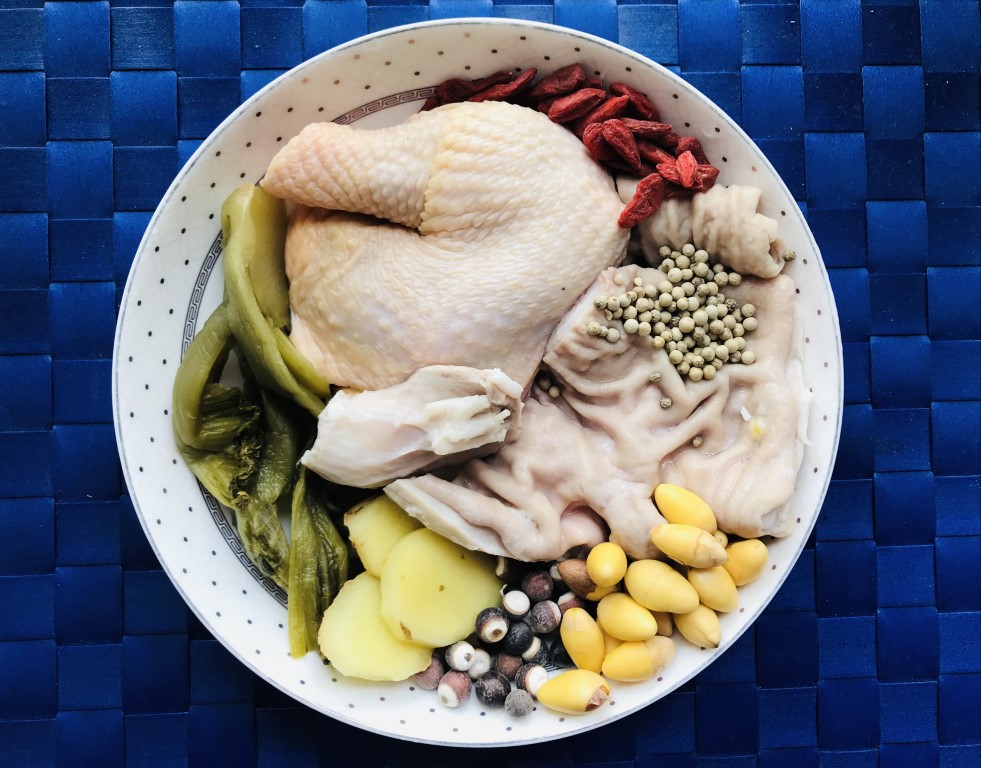
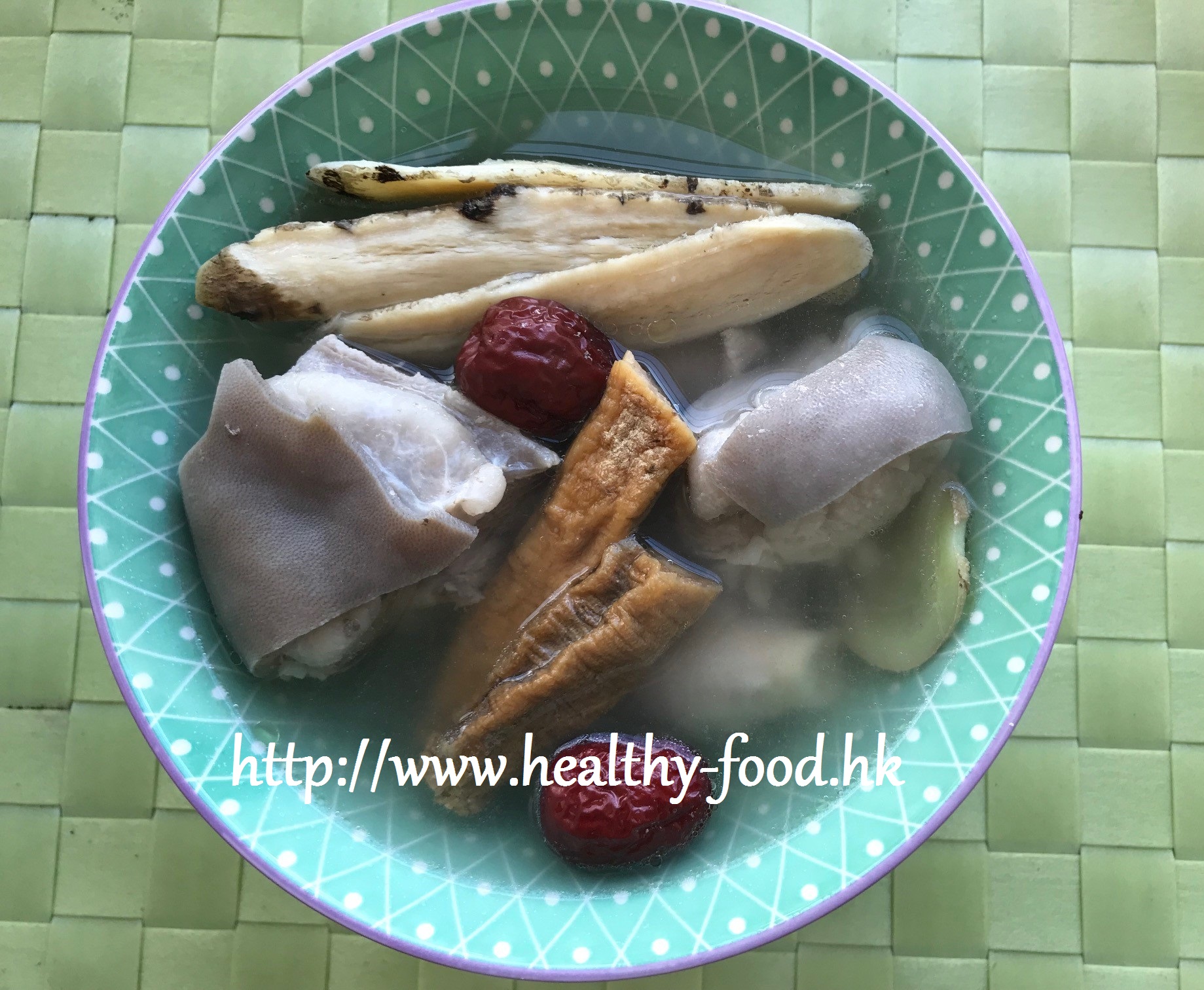
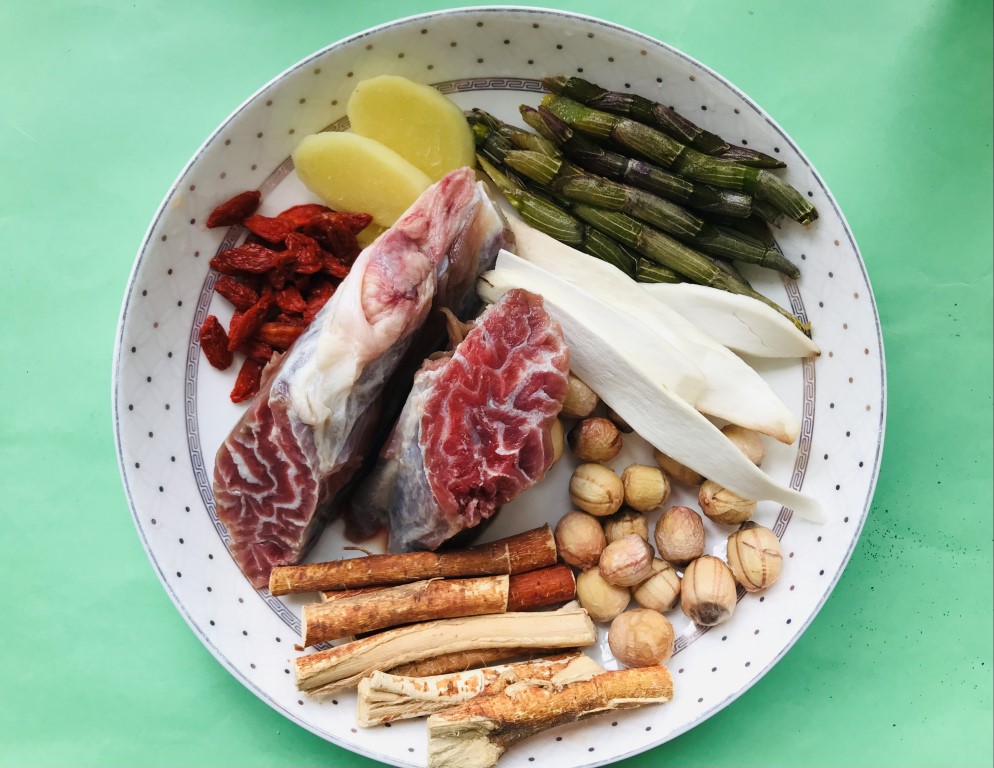
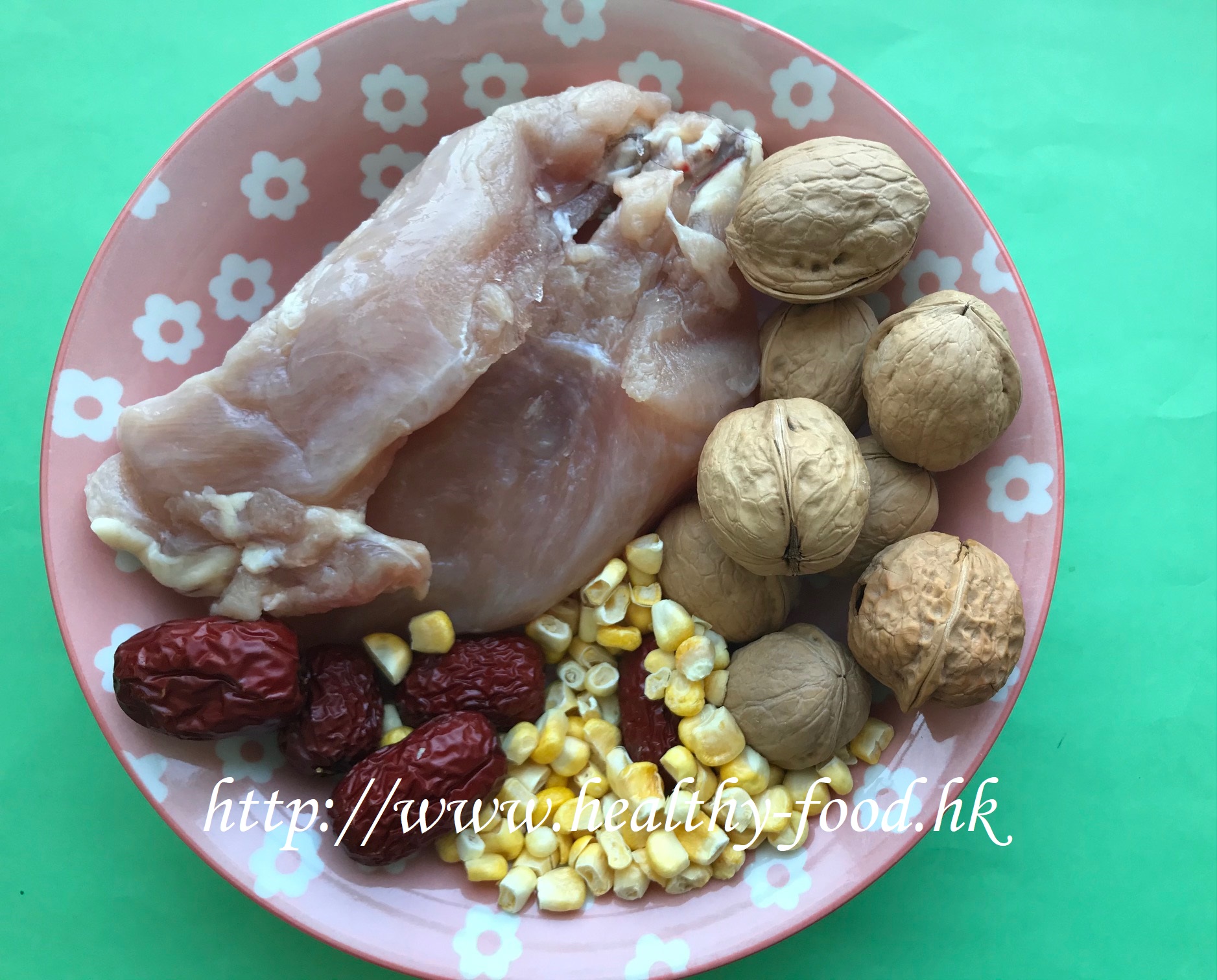
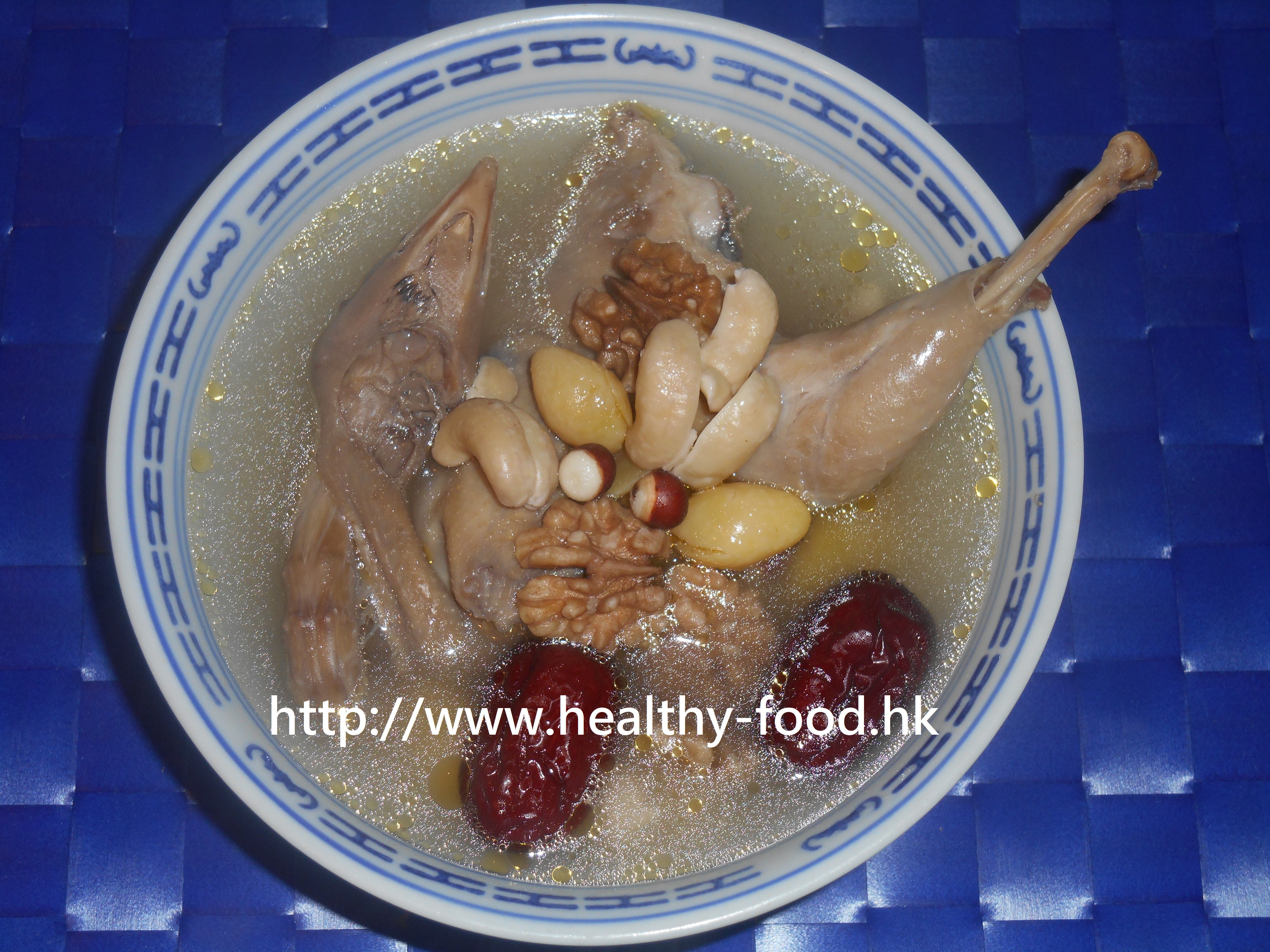
Ginkgo, Walnut, Foxnut and Francolin Soup
traditionally used to nourish the lungs, spleen, and kidneys and support children prone to cough and wheeze
Why people make this soup
If you have a child who catches every respiratory infection that comes around, who coughs for weeks after a cold seems to clear, or who wakes at night with a wheeze — this soup is the kind of recipe Chinese families return to again and again. It is not a quick fix or an emergency remedy; it is the opposite. It is a slow, deeply nourishing soup meant to be drunk when the child is well, over time, to gradually build up a stronger foundation in the organs that Chinese food therapy associates with breathing and immunity: the lungs, the spleen, and the kidneys. Traditional thinking holds that “the spleen is the source of phlegm” — meaning a weak digestive system constantly produces excess mucus. Strengthening all three organs together is how you break the cycle of repeated illness.
Who it suits / who should be cautious
- Children and adults who are prone to repeated respiratory infections, lingering cough, or mild wheeze once they are well and symptom-free
- Suitable for all ages; toddlers under 18 months can have half a small bowl — do not let young children eat the ginkgo nuts
- Do NOT serve during an active cold, flu, or fever — tonic soups can interfere with the body’s normal response to infection; wait until fully recovered
- Those with active, productive cough with yellow phlegm should also wait until the acute phase has passed
Why these ingredients (the food-therapy logic)
- Ginkgo (bai guo): Traditionally associated with calming wheeze, reducing phlegm, and strengthening the lungs. The inner green core must be removed before cooking — it contains a mildly toxic substance. Consume in moderation.
- Walnut (he tao rou): Regarded as a warming, kidney-nourishing nut that helps anchor the breath — used in traditional practice to support those with shallow breathing or chronic wheeze. Also supports brain health.
- Foxnut / Euryale seed (qian shi): Strengthens the spleen and helps the body hold moisture where it belongs — traditionally used to reduce excessive mucus production and support digestive absorption.
- Cashew (yao guo): Tonifies the lungs and spleen; adds richness and a pleasant taste while contributing nourishment without heating.
- Red dates (hong zao): Warm, sweet, and harmonising — nourish qi and blood and bring the flavours of the soup together. South dates (nan zao) may also be used.
- Francolin (zhe gu): A small game bird especially prized in traditional Cantonese medicine for nourishing the five organs and calming the mind. Available live at poultry stalls in Hong Kong; quail or silkie chicken (wu ji) makes an excellent substitute.
Ingredients (4–5 bowls)
| Ingredient | Amount | Notes |
|---|---|---|
| Ginkgo nuts (bai guo), cores removed | 15 pieces | Remove the green inner embryo — it is mildly toxic |
| Walnut meat (he tao rou) | 6–8 halves (~30 g) | |
| Foxnut / Euryale seed (qian shi) | 37.5 g (1 liang) | Soak briefly before use |
| Cashew nuts (yao guo) | 75 g (2 liang) | |
| Fresh ginger (sheng jiang) | 2 slices | |
| Red dates (hong zao), pitted | 6 pieces | South dates (nan zao) also fine |
| Francolin (zhe gu) | 1 whole bird | Substitute quail or silkie chicken if unavailable |
| Water | 10 bowls (~2 litres) |
Method
- Rinse all dried ingredients and soak briefly.
- Prepare the francolin: have it cleaned and chopped into large pieces. Blanch in boiling water for 1–2 minutes, then drain and rinse.
- Place all ingredients in a pot. Add 10 bowls of water.
- Bring to a boil, then reduce to a low simmer and cook for 2 hours.
- Serve the soup together with the ingredients — the nuts, dates, and meat are all edible and nutritious.
Bro Niu’s tips
Francolin is sold live at poultry stalls in Hong Kong markets; if you cannot find it, quail is the best substitute, or silkie chicken (wu ji). For children who are restless or wakeful at night, try replacing the cashews with dried lily bulb (bai he, 37.5 g) — this adds a calming quality that helps with sleep. You can also add tiger milk mushroom (hu ru ling zhi, ~10 g) or snow fungus (xue er) for extra lung support. Chestnuts are another nice addition. If the child is over 18 months and can eat solids, encourage them to eat a little of the soup ingredients, especially the nuts and dates, for full benefit. Serve once or twice a week as a preventive tonic — not during illness.
Community questions answered (selected)
-
Q (Funfun): My two-year-old had a cold and has been waking every night with a cough ever since. Is this soup suitable? Bro Niu: This soup nourishes the lungs, spleen, and kidneys and is a tonic rather than a treatment for acute illness. Since the cold has passed, the child can try two servings, drinking about two small bowls a day spread out, and see whether it helps.
-
Q (Crystal, child 14 months, recurring cough and bronchial sensitivity): Is this soup suitable, and what else can I do? Bro Niu: For ongoing bronchial sensitivity, try a soup of tiger milk mushroom (hu ru ling zhi, 10 g), snow fungus (xue er, 7.5 g), lily bulb (bai he, 37.5 g), and apricot kernels north and south (nan bei xing, 37.5 g) with francolin or quail. Serve once or twice a week for the family — it helps build up lung strength and general resilience.
-
Q (reader): Why can’t you drink tonic soup during a fever or cold? Bro Niu: During infection, pathogens can absorb the nourishment from tonic foods just as your body does — we do not want to give them extra resources. Also, digestion is often weakened during illness, so rich soups can be hard on the stomach. Better to wait until recovery, then drink soups like this one to rebuild strength. During a cold, a simple broth of turnip (radish), pear, and spring onion whites works better.
Published October 8, 2016 · Adapted and translated for Nourilo from a traditional home-kitchen recipe. Approx. 5 min read.