Soups
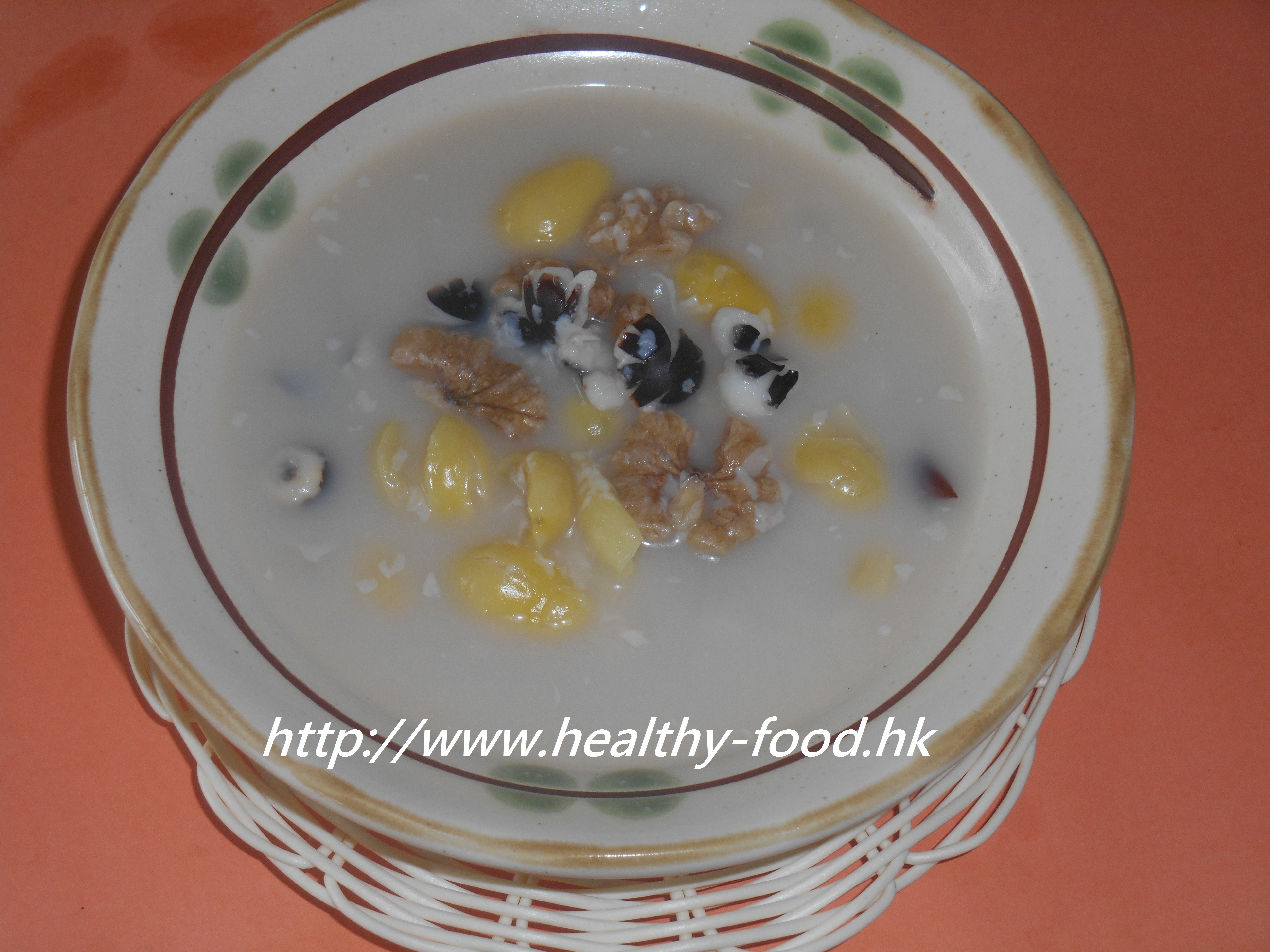
Ginkgo, Peppercorn and Euryale Pork Stomach Soup
traditionally associated with warming the middle, nourishing the stomach, and supporting kidney function
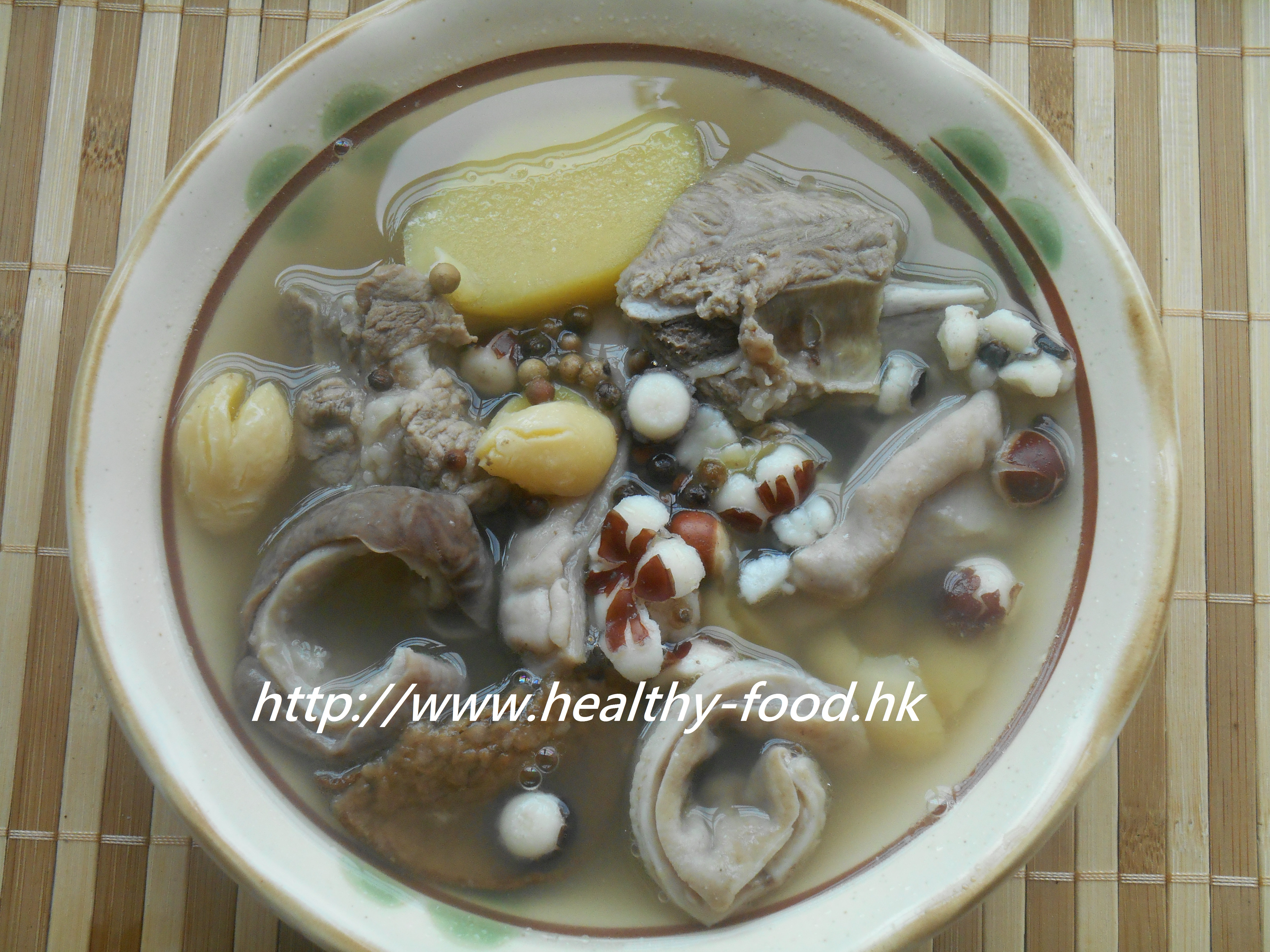
Why people make this soup
In summer, many people cool down with cold drinks and chilled foods. An occasional treat is fine, but regularly consuming very cold or raw foods can, according to traditional Chinese medicine, weaken what is known as “stomach cold” — showing up as a constant feeling of coolness in the abdomen, a bland taste in the mouth, a tendency to feel slightly nauseous, and perhaps excessive clear saliva. This pattern can extend to the kidneys, contributing to frequent nighttime urination, loose stools before dawn, and, in women, excessive vaginal discharge. This classic soup uses pork stomach together with peppercorns, ginkgo, and euryale to warm the middle, support the stomach, and nourish kidney function.
Who it suits / who should be cautious
- Suits those with a tendency toward cold constitution, weak digestion, loose stools, frequent night urination, or excessive vaginal discharge.
- Also nourishing for recovery from illness or for anyone who has been eating a lot of cold and raw foods.
- Ginkgo nuts: limit to 15 per serving; always remove the inner green embryo (the core) as it is more strongly bitter and mildly toxic. Children should consume smaller amounts.
- Not recommended if you have a current fever or acute infection.
Why these ingredients (the food-therapy logic)
- Pork stomach (zhu du): The traditional principle of “like nourishes like” makes pork stomach the classical choice for supporting the stomach and spleen.
- Ginkgo nut (bai guo): Traditionally associated with strengthening the kidney and reducing fluid leakage — hence its use for frequent urination and excessive discharge.
- Euryale seed (qian shi): Considered to strengthen the spleen and stabilise the kidneys; often paired with ginkgo for night urination and vaginal discharge.
- White peppercorns (hu jiao li): Warm and pungent, classically used to dispel stomach cold and improve digestion.
- Dried tangerine peel (chen pi): Supports qi circulation, aids digestion, and helps reduce any greasiness of the pork stomach.
- Fresh ginger: Warms the stomach, helps remove any gamey odour from the pork.
Ingredients (4–5 bowls)
| Ingredient | Amount | Notes |
|---|---|---|
| Pork stomach | 1 whole | Thoroughly scrubbed and blanched (see method) |
| Ginkgo nuts | 15 nuts | Cores removed |
| Euryale seeds (qian shi) | 1 liang (~38 g) | Soaked and rinsed |
| Whole white peppercorns | 2 tablespoons | Place in a mesh tea bag |
| Fresh ginger | 3 slices | |
| Dried tangerine peel (chen pi) | 1 piece | Soaked until soft |
| Pork ribs | half jin (~300 g) | Blanched |
| Water | 8 bowls (~1.6 L) |
Method
- Place the peppercorns in a tea-filter bag and set aside.
- Cleaning the pork stomach (this step is important): rub the inside and outside vigorously with potato starch (corn starch) and coarse salt to remove mucus and odour. Turn it inside out and repeat. Trim off any visible fat. Rinse thoroughly with cold water, then blanch in boiling water. Remove, rinse, and cut into large pieces.
- Blanch the pork ribs in boiling water, remove and rinse.
- Soak and rinse the euryale seeds and tangerine peel. Rinse and soak the tangerine peel until soft.
- Combine all ingredients in a pot with 8 bowls of water. Bring to a boil, then reduce to a low simmer and cook for 2 hours.
- Serve the soup together with the solid ingredients.
Bro Niu’s tips
- This soup is warming and nourishing — particularly good for those with weak digestion or kidney deficiency.
- Taking care to clean the pork stomach well is the most important step for a pleasant-tasting result. After scrubbing and blanching, you can also stir-fry the stomach briefly in a dry pan with a few ginger slices — this helps remove any remaining odour and makes the finished soup more flavourful.
- If pork stomach is not available or unappealing, pork shank (zhu zhan) or pork ribs alone can substitute — the warming action is slightly reduced but the soup remains nourishing.
Community questions answered (selected)
-
Q (cat, reader): If I don’t use pork stomach, does the soup still have the same effect? Bro Niu: You can substitute with lean pork or pork shank. Traditional Chinese medicine places emphasis on the principle of “like nourishes like,” so the pork stomach is considered the most targeted choice — but pork shank works well too for a milder, everyday version.
-
Q (Hebe, reader): What soups are good for kidney support? Bro Niu: Black-coloured foods are traditionally associated with kidney nourishment — black beans, dark mulberries, black goji berries, chestnuts, and walnuts. A classic kidney-supporting soup uses morinda root (ba ji tian) and eucommia bark (du zhong), each 5 qian, with black beans 1 liang and jujube dates, simmered with silkie chicken.
Published May 9, 2016 · Adapted and translated for Nourilo from a traditional home-kitchen recipe. Approx. 4 min read.