Herbal & Flower Teas
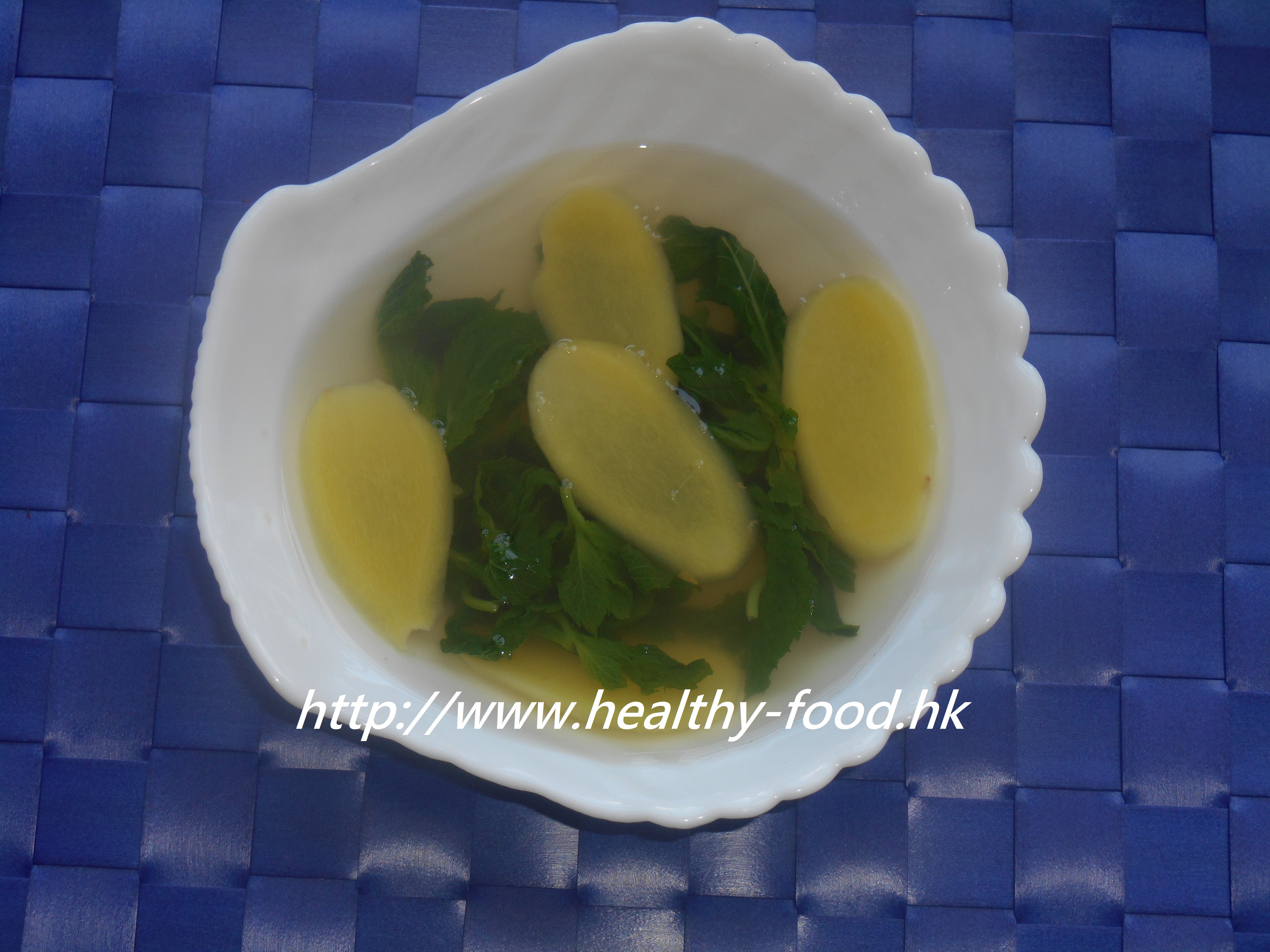
Fresh Ginger and Mint Tea
traditionally used to ease digestive bloating, dispel wind, and relieve mild cold symptoms
Why people make this tea
After a stretch of dining out — where restaurant food tends to be oilier and richer than home cooking — it is common to feel heavy and bloated in the stomach. Instead of reaching for antacids, many households in Hong Kong simply simmer a small pot of ginger and mint tea to get things moving again. Fresh mint leaves have a wonderfully bright, clean aroma. In traditional food therapy they are associated with settling the stomach, clearing phlegm, supporting bile flow, and easing the body’s response to digestive disturbances. Combined with ginger, which adds warming power, this tea works as a simple but effective two-ingredient remedy.
Who it suits / who should be cautious
- Suited for adults who feel bloated or gassy after rich meals, or who have a mild cold with headache or body aches
- Pregnant women may drink this tea for bloating; for general wellbeing during pregnancy, soups made with carrots, tomatoes, corn, or seaweed are equally good options
- Those with a yin-deficient or blood-dry constitution, or who perspire heavily and tend to feel over-heated, should avoid this tea — ginger and mint together are warming and promote sweating
- Not suitable while running a high fever
Why these ingredients (the food-therapy logic)
- Fresh mint (bo he): In traditional use, fresh mint is associated with calming stomach wind, easing nausea, relieving food stagnation, and clearing the head. Its aromatic compounds are believed to help ease cramping and spasm, and it has a mild cooling quality that balances the warming ginger.
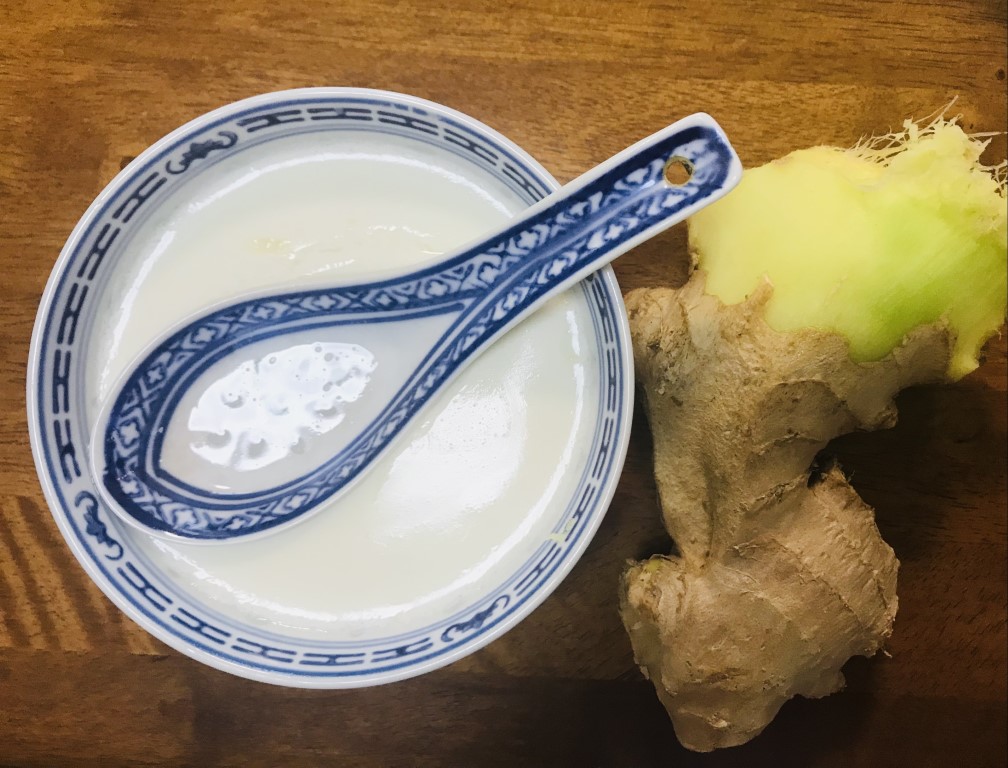
- Fresh ginger (sheng jiang): One of the most versatile warming herbs in Chinese food therapy, ginger supports digestion, dispels cold, and helps to circulate qi. Combined with mint, the two ingredients create a balanced tea that is neither too heating nor too cooling.
- Brown sugar (hong tang): Provides gentle sweetness and is traditionally associated with warming the stomach and improving circulation. A small amount is sufficient.
Ingredients (1–2 cups)
| Ingredient | Amount | Notes |
|---|---|---|
| Fresh mint leaves | ~37 g (1 liang) | Wash and cut into sections |
| Fresh ginger | 4–5 slices | No need to peel if organic |
| Brown sugar | a small amount | Adjust to taste |
Method
- Wash the fresh mint leaves and cut or tear into sections.
- Add 2.5 bowls of water to a small pot and bring to a boil.
- Add the mint leaves and ginger slices.
- Simmer for 5 minutes.
- Add brown sugar to taste, stir to dissolve, and pour into a cup.
- Drink warm.
Bro Niu’s tips
This is a simple, quick remedy that is especially useful after dining out or eating a heavy meal. It also provides comfort at the early stages of a cold — headache, body aches, mild chills. However, if you tend to sweat a lot, feel warm easily, or have a yin-deficient body type, this tea is not the right choice for you, as the combination can trigger excessive sweating. The tea is best drunk warm, not boiling hot.
Community questions answered (selected)
-
Q (阿诗): Can a pregnant woman drink this ginger and mint tea? I am nearly four months pregnant and often eat out, so I am worried about too much MSG. Bro Niu: Yes, pregnant women can drink this tea. For cleansing after eating out a lot, you can also cook a simple carrot, tomato, and corn soup with lean pork — that works well too.
-
Q (蚊蚊妈妈): Is cilantro (xiang cai) the same as mint, and can it help detox the kidneys? Bro Niu: To be precise, the herb used in kidney detox research done in Western countries is actually parsley (European parsley, ou qin), sometimes called Western cilantro. That is different from Chinese cilantro (yan sui / xiang cai). The kidney-cleansing studies were done on parsley, not Chinese cilantro.
-
Q (may): My three-year-old grandson has just started getting a runny nose — what can he take? Bro Niu: For a young child just starting to show cold symptoms, you can simmer some coriander (yan sui), spring onion, fresh ginger, and fish fillet in water and give it to him warm — this helps induce a mild sweat and clear the surface cold. He could also take a small children’s vitamin C tablet before going to school each day to help build resistance.
Published August 25, 2016 · Adapted and translated for Nourilo from a traditional home-kitchen recipe. Approx. 3 min read.