Herbal & Flower Teas
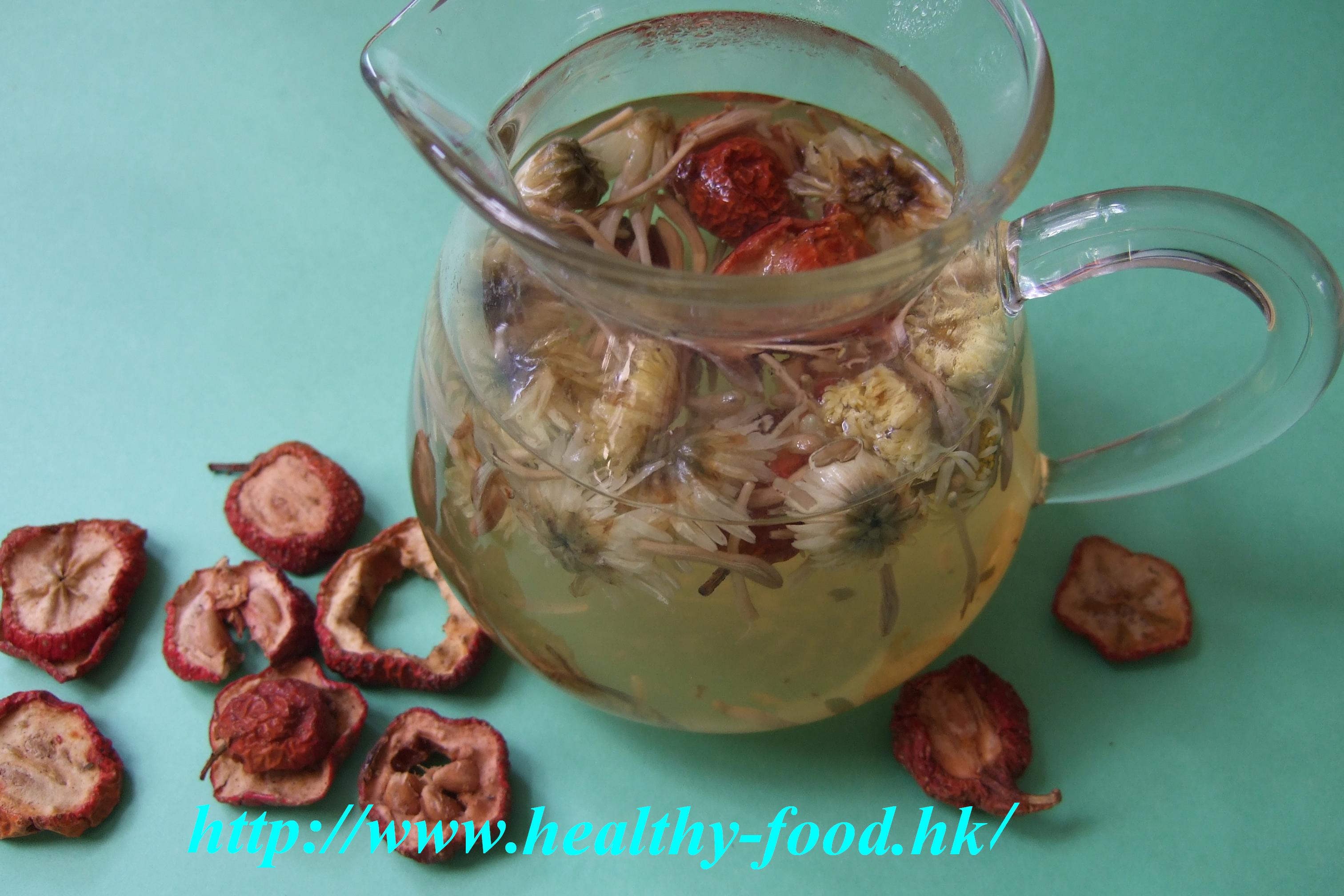
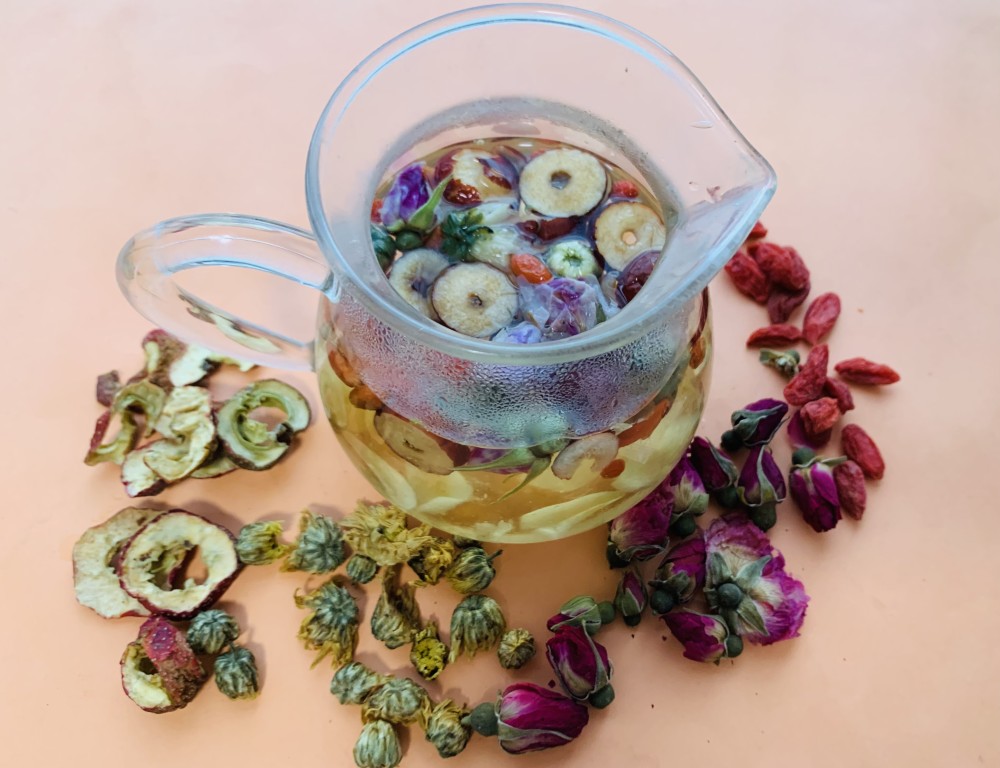
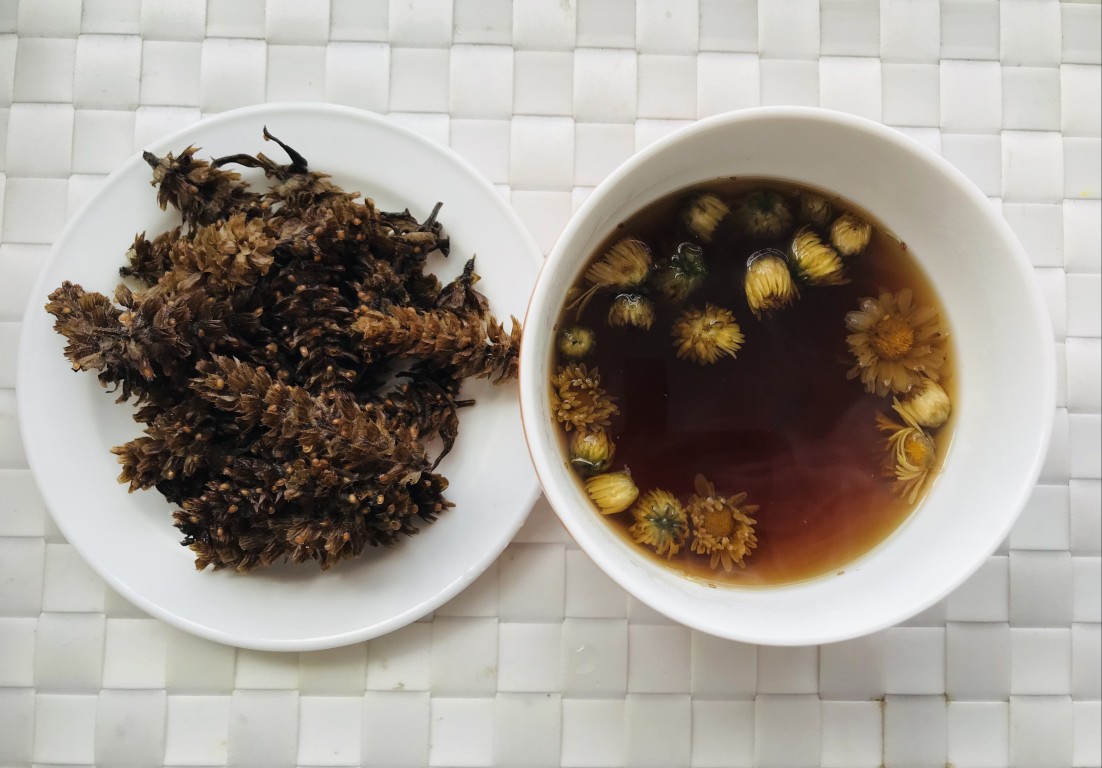
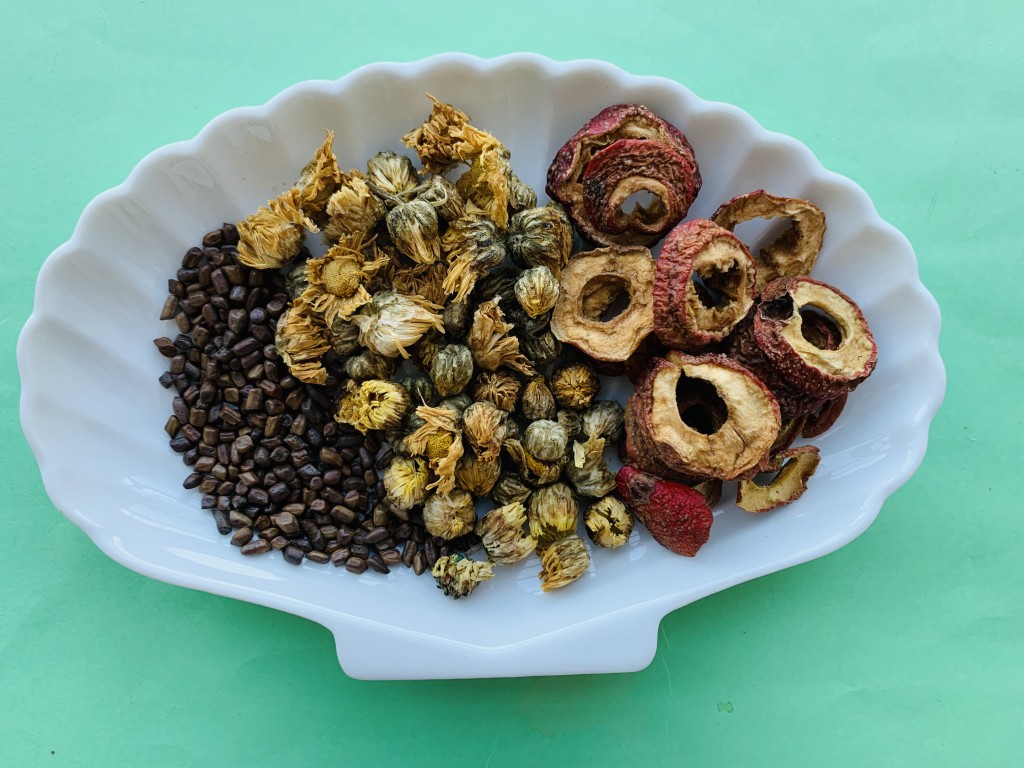
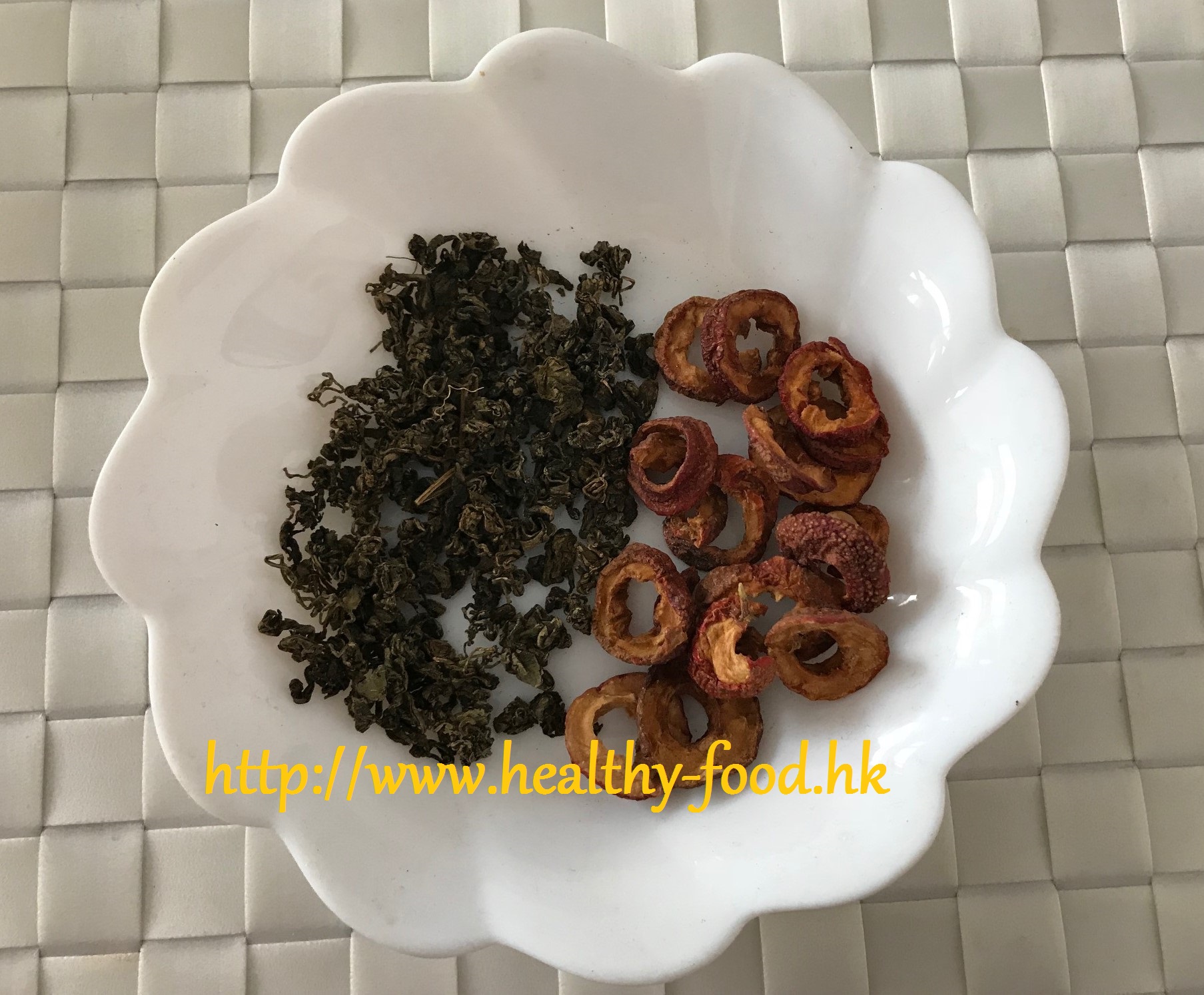
Hawthorn and Jiaogulan Tea
traditionally associated with supporting liver health and managing mild fatty liver
Why people make this tea
Fatty liver disease is surprisingly common — and Bro Niu points out that it is not only a condition affecting people who are overweight or who drink heavily. Rapid weight loss, fasting, nutritional deficiency, and chronic fatigue can all contribute. The reassuring news is that early-stage fatty liver is generally reversible with dietary changes. This simple daily tea is designed for mild cases or as general metabolic support. Jiaogulan — sometimes called the “herb of immortality” in southern China — contains saponins and organic acids that laboratory studies have associated with promoting liver cell regeneration and reducing certain liver enzymes (transaminases). Hawthorn berries bring a complementary function: they are widely used in Chinese cuisine and food therapy for supporting digestion, dispersing stagnation, and helping to manage blood pressure and cholesterol. Together they make a tart, pleasant, easy-to-drink daily tea.
Who it suits / who should be cautious
- Well-suited for adults with mild fatty liver, or those who want metabolic and liver wellness support as part of a balanced lifestyle.
- Also suitable for those with high blood pressure, high blood lipids, or diabetes.
- Pregnant women should omit hawthorn berries; they may drink jiaogulan on its own with a few red dates added for balance, if they wish to use it.
- Jiaogulan is slightly cooling in nature. Adding a small piece of dried tangerine peel and a couple of red dates to the steep makes it more balanced for those with a cooler constitution.
Why these ingredients (the food-therapy logic)
- Jiaogulan (jiao gu lan / Gynostemma pentaphyllum): Also known locally as jin sang zi (golden voice herb). Contains gypenosides (saponins structurally similar to ginsenosides) and fruit acids traditionally associated with supporting the liver, promoting liver cell renewal, and helping to lower elevated liver enzymes. It is also considered adaptogenic — supporting overall vitality and resilience.
- Hawthorn berries (shan zha): A familiar culinary fruit prized in food therapy for promoting digestion, dispersing blood and food stagnation, lowering blood lipids, cholesterol, and blood pressure. Pleasantly tart flavour.
Ingredients (1–2 cups, re-steepable)
| Ingredient | Amount | Notes |
|---|---|---|
| Hawthorn berries (shan zha) | 19 g (5 qian) | |
| Jiaogulan (jiao gu lan) | 11 g (3 qian) | Available at larger Chinese herb shops |
| Boiling water | As needed |
Method
- Place both ingredients into a teapot or lidded mug.
- Rinse once with boiling water and discard the rinse water.
- Pour in fresh boiling water, cover, and steep for 15 minutes.
- Pour and drink. Re-steep with fresh boiling water until the flavour becomes too faint.
Bro Niu’s tips
Jiaogulan goes by several names — you may see it labelled as jiao gu lan, jin sang zi, or Southern ginseng. Look for it at larger Chinese medicine and herb shops. If you have a cooler constitution or tend to feel cold, add a strip of dried tangerine peel and 2–3 red dates when steeping — this tempers the slightly cooling nature of jiaogulan and improves the flavour. This is an easy, low-maintenance daily tea, ideal for people who want simple liver and metabolic support without complicated preparation.
Published November 21, 2018 · Adapted and translated for Nourilo from a traditional home-kitchen recipe. Approx. 2 min read.