Congee & Porridge
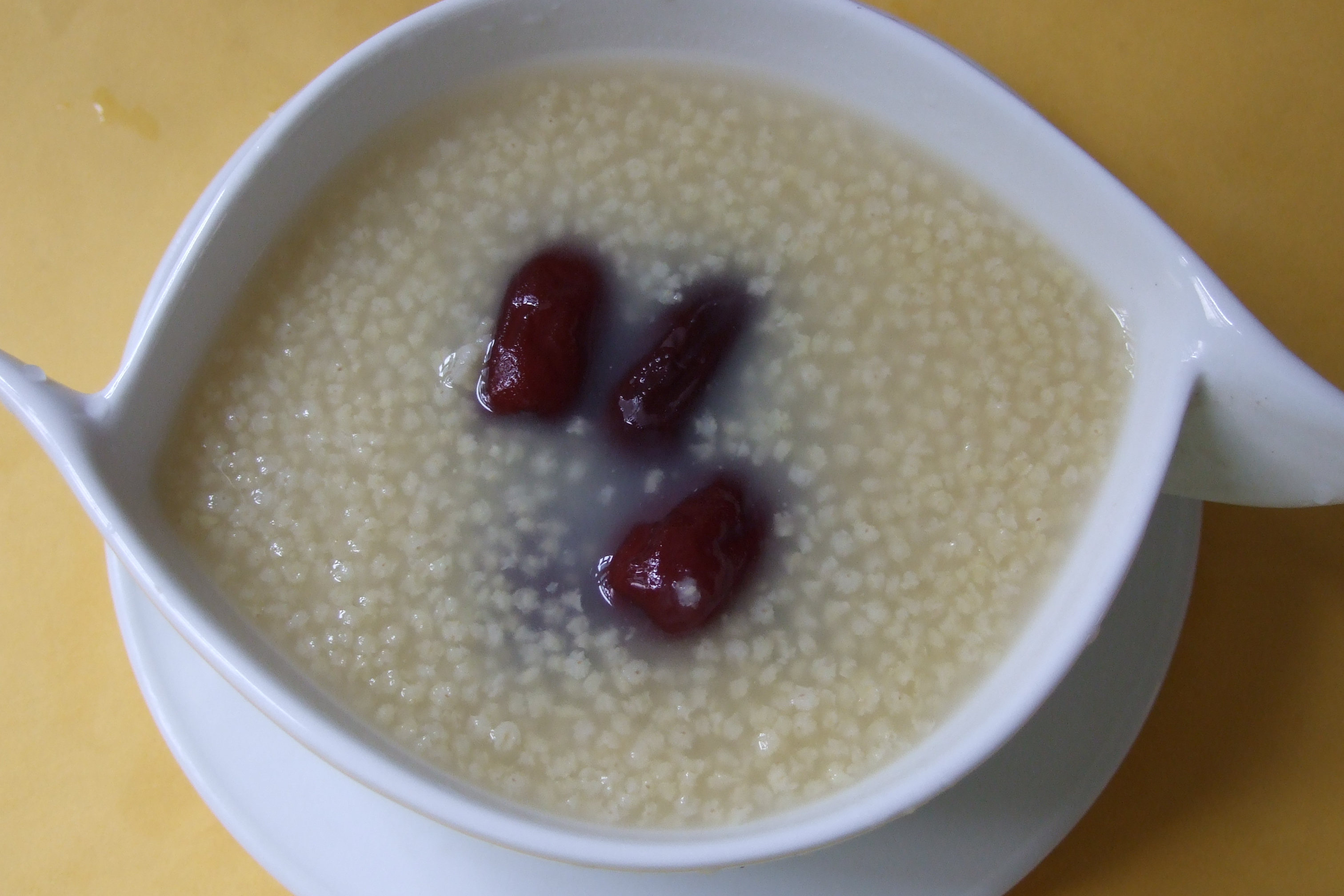
Dendrobium Polygonatum Millet Congee (Shi Hu Hai Yu Zhu Xiao Mi Zhou)
Traditionally strengthens the spleen and nourishes stomach yin
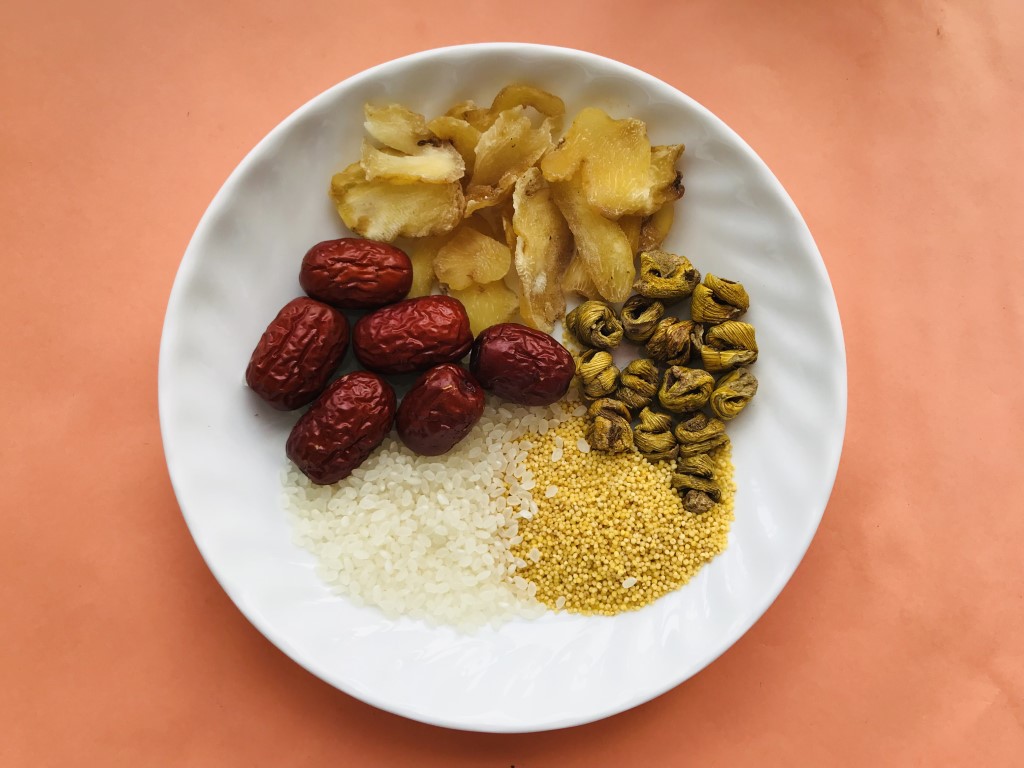
Why people make this congee
Bro Niu points out that long-term drinking and smoking, along with work stress, irregular eating and over-tiredness, all take a toll on the stomach. For those prone to stomach trouble he stresses gentle habits: small frequent meals, easy-to-digest nourishing food, chewing slowly, and dropping the habits of wolfing food down or over-eating greasy dishes. This dendrobium and polygonatum millet congee is his soothing food-therapy choice — traditionally said to strengthen the spleen and nourish stomach yin, and welcome for people with chronic stomach discomfort, a burning ache with no fixed timing, worse on an empty stomach in the afternoon.
Who it suits / who should be cautious
- People prone to chronic stomach discomfort, a burning ache, especially worse on an empty stomach in the afternoon; also welcome for general digestive upkeep.
- A mild congee with little herbal taste, gentle for regular use.
- For long-term or worsening pain (possible H. pylori), please see a doctor.
Why these ingredients (the food-therapy logic)
- Dendrobium (shi hu): Traditionally nourishes “yin” and the stomach fluids.
- Polygonatum / yu zhu (hai yu zhu): Traditionally moistening and yin-nourishing.
- Red dates (hong zao): Nourish blood and support the spleen.
- Millet (xiao mi): Traditionally the most spleen-and-stomach-friendly grain, easy to digest.
Ingredients (2–3 bowls, 1 daily portion)
| Ingredient | Amount | Notes |
|---|---|---|
| Dendrobium (shi hu) | ~15 g (4 qian) | Soaked, rinsed; or 2 tsp dendrobium powder |
| Polygonatum (hai yu zhu) | ~18.75 g (5 qian) | Soaked, rinsed |
| Red dates | 5 | Pitted |
| Millet + congee rice | ~75 g (2 liang) |
Method
- Soak and rinse the ingredients separately; pit the red dates.
- Put everything into a rice cooker with about 6 cups of water and cook into a congee.
Bro Niu’s tips
This congee has little herbal taste. People with stomach trouble can take one portion daily for a week, and anyone with related digestive issues can eat it regularly. If you prefer, dendrobium powder (2 tsp) can replace the whole pieces.
Community questions answered (selected)
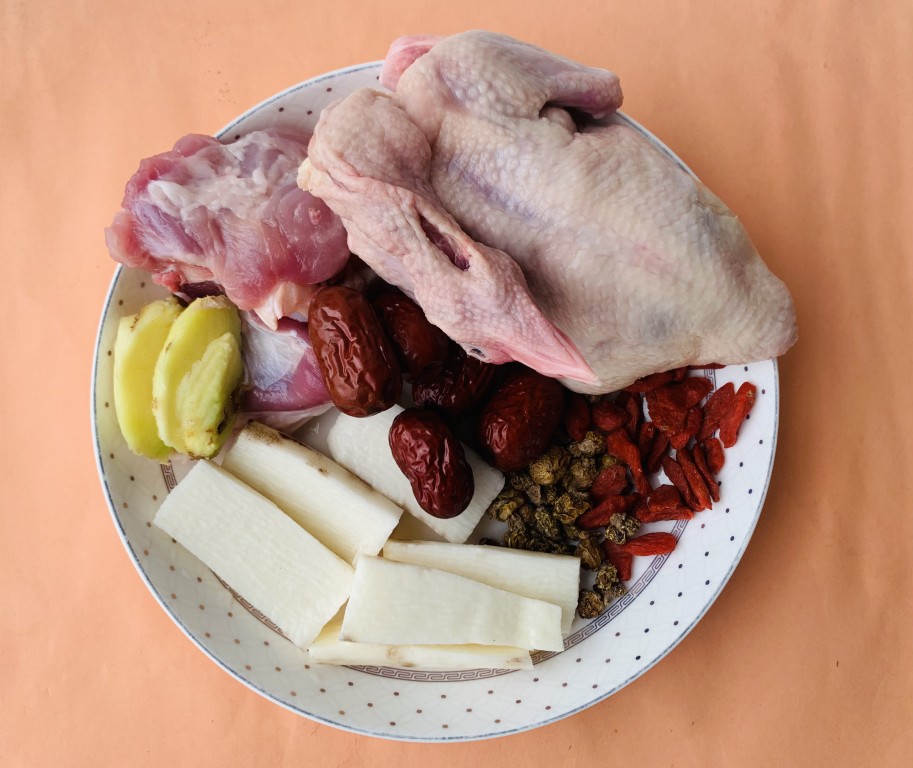
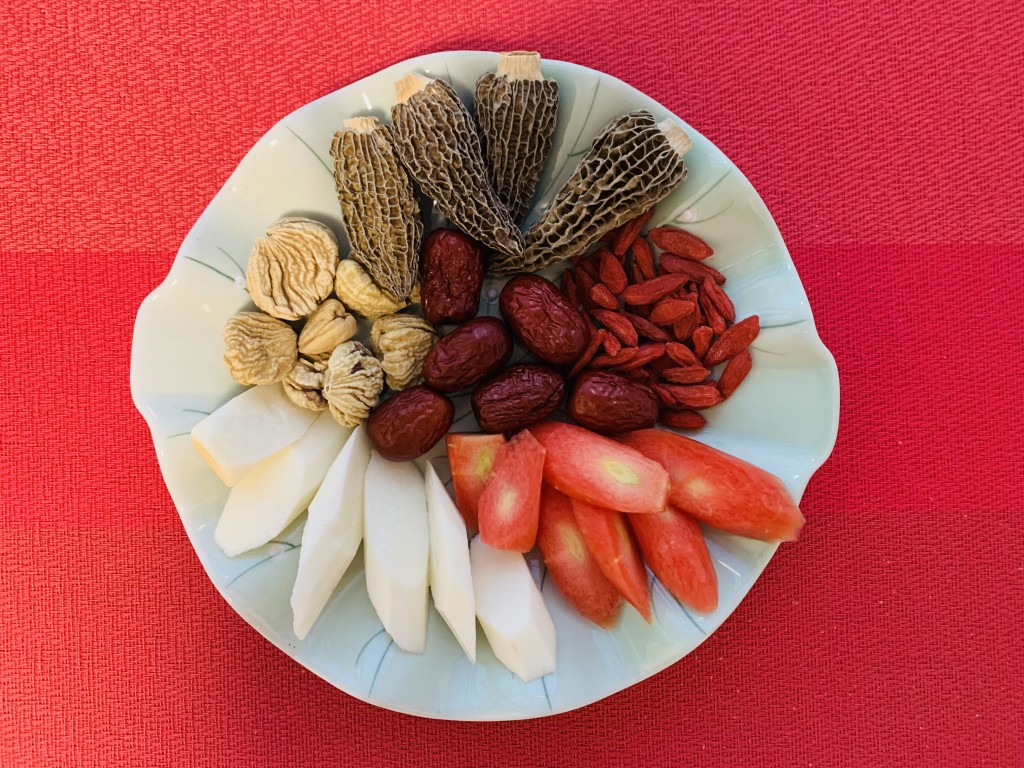
- Q (阿文 / A Man): I have had gastritis for years — should I eat the leftover ingredients too? Which kind of dendrobium? Bro Niu: If you want to eat the ingredients, simmer fresh yam (~115 g), fresh dendrobium (~37.5 g) and polygonatum (~11.25 g) into a pork shin soup, or a red-date millet congee, so you can eat the soup/congee ingredients — very good for the stomach.
- Q (文 / Man): Can I use dendrobium powder instead of the pieces, added after the congee is cooked? Bro Niu: Yes, use 2 tsp of dendrobium powder instead.
- Q (wendy): I have had chronic gastritis for months — can I add lily bulb and tangerine peel to this? And is dendrobium, American ginseng, mai dong with peel okay? Bro Niu: Yes, add lily bulb and tangerine peel. A dendrobium, American ginseng, mai dong and tangerine peel tea is also good for nourishing stomach yin. Day to day, green papaya, fig and snow fungus soup, or lion’s mane, yam and goji pork soup, help protect the stomach lining.
Published June 26, 2023 · Adapted and translated for Nourilo from a traditional home-kitchen recipe. Approx. 2 min read.