Soups
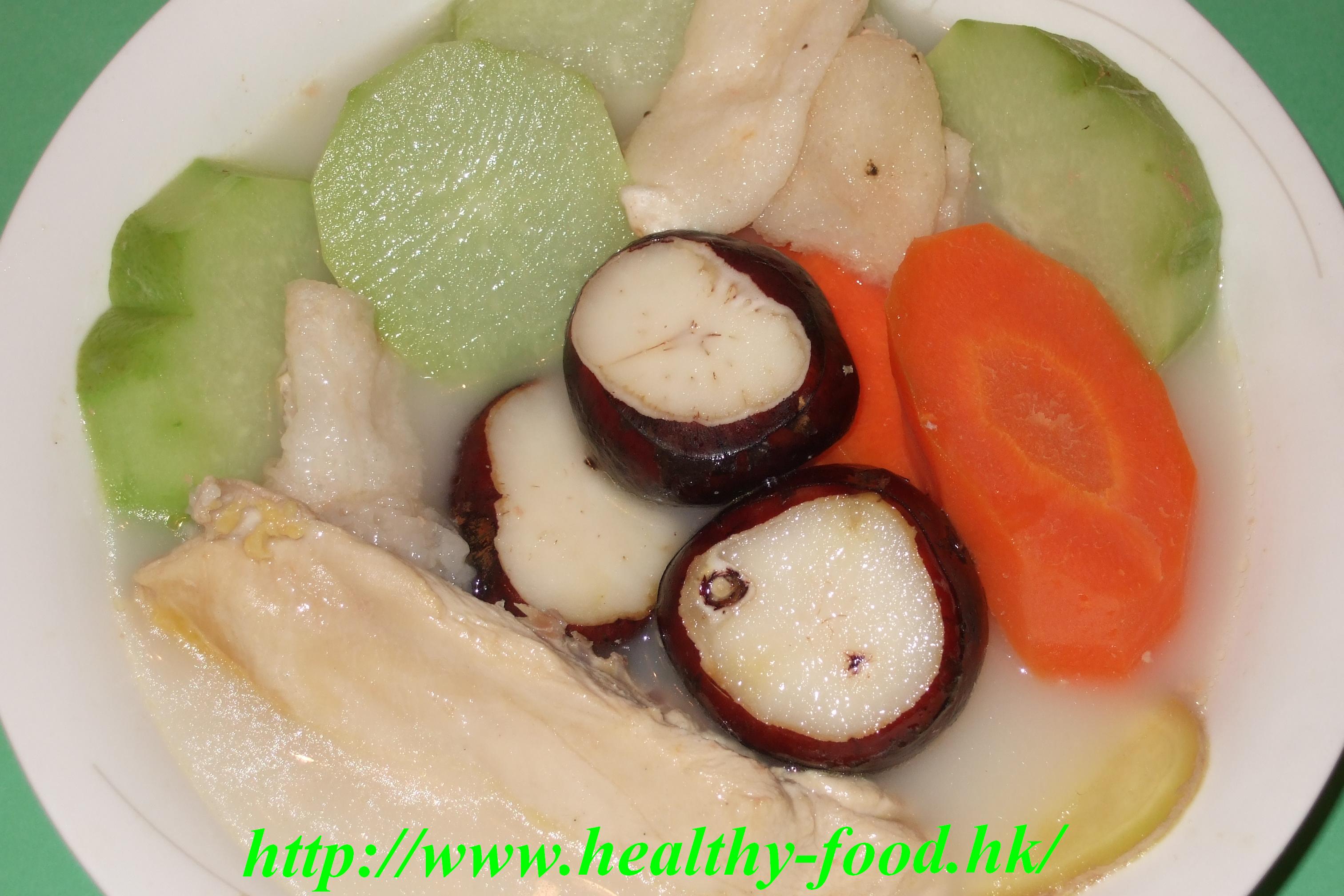
Chayote, Bamboo Fungus and Water Chestnut Soup
Traditionally enjoyed to clear heat and support healthy blood pressure and lipids
Why people make this soup
Years ago Bro Niu visited a water-chestnut field and learned they have to stay buried in the mud a while before they turn crisp, tender and sweet. Water chestnuts are traditionally associated with clearing heat, easing phlegm, supporting healthy blood pressure, and helping the body cope with lead exposure — which is why this soup is sometimes recommended for people in trades like printing, smelting, casting and pigments. This chayote, bamboo fungus and water chestnut soup is traditionally enjoyed to clear heat and support healthy blood pressure and lipids.
Who it suits / who should be cautious
- Anyone wanting a clean, light soup; traditionally suits those watching their weight, blood pressure or blood lipids, and those with regular lead exposure at work.
- A gentle, balanced soup; no special caution noted in the source. Soak the bamboo fungus in clean water briefly before use, as some may have been treated with sulphur.
Why these ingredients (the food-therapy logic)
- Water chestnuts (ma ti): traditionally associated with clearing heat, easing phlegm, supporting healthy blood pressure, and helping the body cope with lead exposure.
- Bamboo fungus (zhu sheng): traditionally regarded as helping reduce abdominal-wall fat, and nutritious.
- Chayote (he zhang gua): a clean, mild summer gourd traditionally used to clear heat.
- Carrot and ginger: add natural sweetness and gentle warmth.
Ingredients (about 4 bowls)
| Ingredient | Amount | Notes |
|---|---|---|
| Chayote | 1 | Peel and cut into chunks |
| Water chestnuts | ~600 g (1 catty) | Trim, wash, lightly crush |
| Bamboo fungus | ~37 g (1 liang) | Soak and rinse in clean water first |
| Carrot | 1 | Peel and cut into chunks |
| Fresh ginger | 2 slices | |
| Chicken breast | 1 piece | Blanch first |
Method
- Peel the chayote and carrot and cut into chunks.
- Trim and wash the water chestnuts and lightly crush them.
- Soak and rinse the bamboo fungus.
- Blanch the chicken breast.
- Put everything in a pot with 8 bowls of water and simmer about 1.5 hours down to roughly 4 bowls. Eat the soup and ingredients together.
Bro Niu’s tips
This soup is clean and naturally sweet, and traditionally suits those watching their weight, blood pressure or blood lipids. Soak the bamboo fungus in clean water for a moment before use, in case it has been treated with sulphur.
Community questions answered (selected)
-
Q (qi qi): Can bamboo fungus be eaten often? Are there any cautions? I love adding it to soups. Bro Niu: Bamboo fungus is traditionally regarded as helping reduce abdominal-wall fat and is nutritious, so it can be eaten often. Just soak it briefly in clean water first, in case it has been treated with sulphur.
-
Q (KK): A neighbour just had angioplasty a day or two ago — can they drink something? Friends suggested white-back wood ear soup, but isn’t it very cooling? Is it suitable after surgery? Bro Niu: After angioplasty, a black wood ear and red date tea is traditionally fine. Black wood ear is associated with supporting the circulation and nourishing the blood; though cooling, adding 7–8 red dates and 2 slices of ginger balances it. It is traditionally a good food for those with high blood pressure or high blood lipids. Keep following the doctor.
-
Q (Vanda): My 14-year-old son has a weak spleen-and-stomach with heavy dampness and easy stomach aches; the TCM doctor says cooling foods like cabbage and winter melon don’t suit him. Any food therapy to improve his constitution? Bro Niu: You can use roasted hyacinth bean, fox-nut, Chinese yam and poria (each ~19 g) in a lean-pork soup, traditionally used to strengthen the spleen and drain dampness; simmer 2 hours, and double the amounts for the family.
Published August 7, 2010 · Adapted and translated for Nourilo from a traditional home-kitchen recipe. Approx. 3 min read.