Congee & Porridge
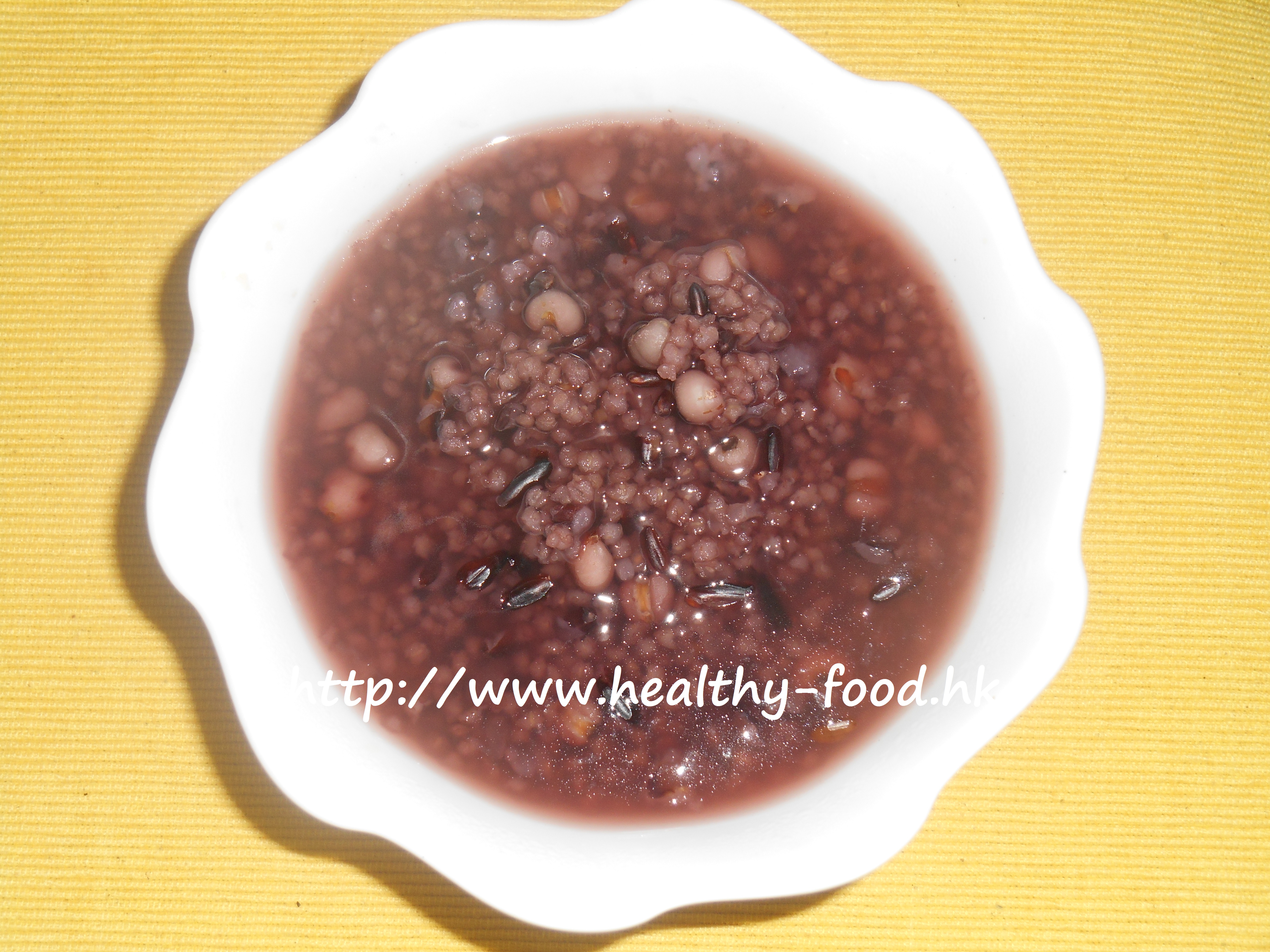
Water Caltrop and Coix Seed Congee
Traditionally associated with supporting anti-cancer defence, digestive function and general vitality
Why people make this congee
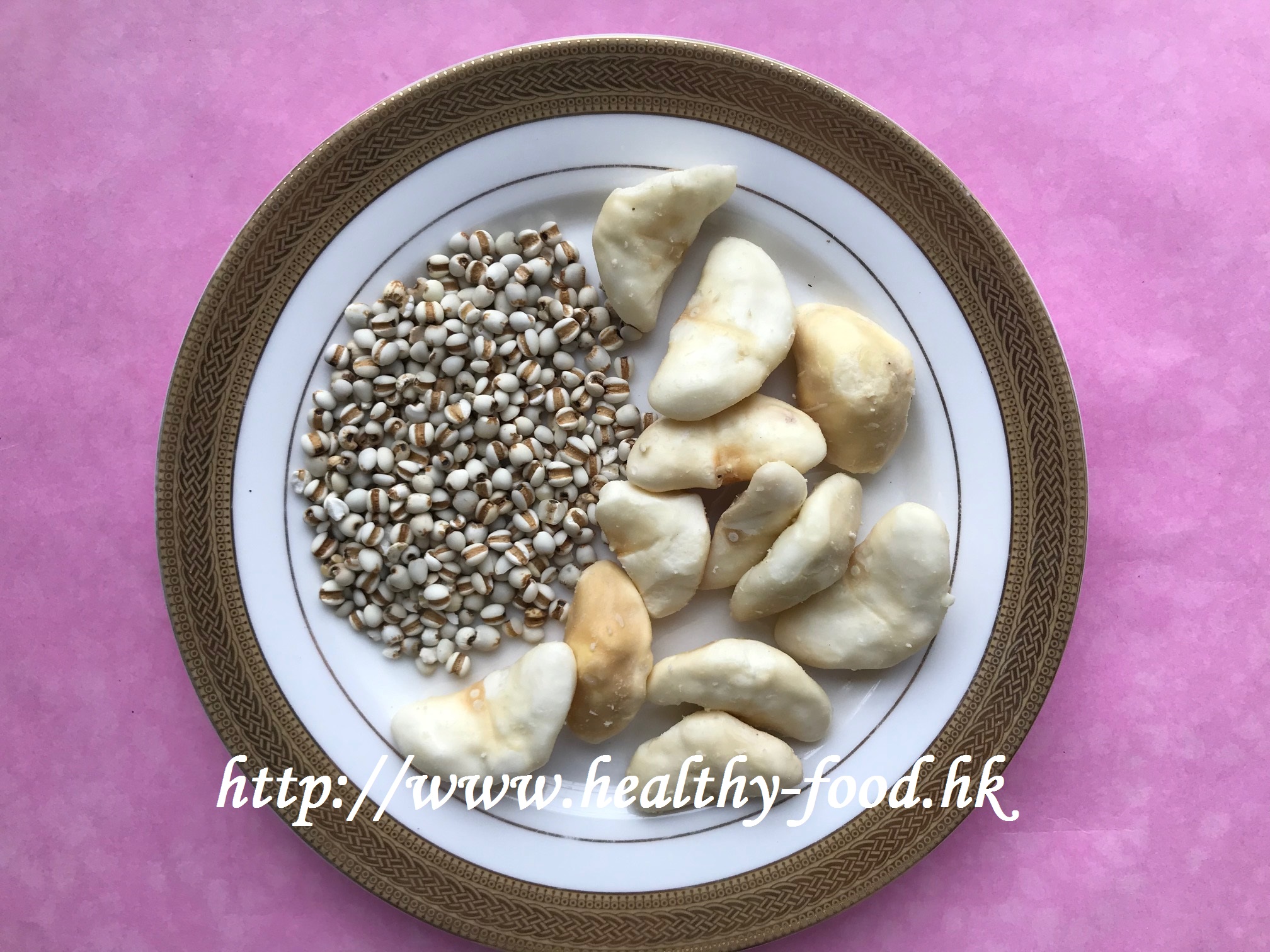
Water caltrop (ling jiao) is an autumn specialty — a small, hard-shelled aquatic nut whose season is brief. Pre-shelled kernels are widely available and far more convenient; in terms of flavour, eating them from the shell is more satisfying, but the shelled version works perfectly in this congee. In Chinese food therapy, water caltrop has both a traditional and a modern-research dimension: it is traditionally considered to clear heat and support digestive function, and modern research has pointed to compounds in the fruit flesh that may have relevance to cancer biology — including activity against Ehrlich ascites tumour, and components associated with oesophageal, cervical and breast cancer research.
Coix seed (yi mi / Job’s tears) is one of the most widely used everyday health grains in Chinese food therapy. It supports the drainage of excess fluid, strengthens the spleen, nourishes the skin and lungs — and like water caltrop, modern research has identified active compounds (including selenium, coix seed ester and linoleic acid) that are associated with anti-tumour activity. Combining these two ingredients into a simple congee creates a wholesome, easy-to-digest dish that is suitable as a regular health food for the whole family.
Who it suits / who should be cautious
- Suitable as an everyday health food for most adults and older children; particularly relevant for those with a family history of certain cancers or those recovering from cancer treatment.
- Suitable for patients undergoing radiotherapy or chemotherapy as a gentle dietary support — this type of congee is traditionally thought to help reduce some of the digestive side effects.
- People with diabetes should use water caltrop in moderation — it is high in starch and can affect blood sugar levels.
- Pregnant women can enjoy coix seed in food quantities; extremely large medicinal doses of coix seed are traditionally not recommended in pregnancy, but a standard food amount (as in this recipe) is considered fine.
Why these ingredients (the food-therapy logic)
- Water caltrop (ling jiao): Eaten raw, traditionally associated with clearing summer heat and relieving thirst; eaten cooked, associated with supporting the spleen and stomach and providing gentle nourishment. Modern research has identified compounds in the fruit flesh with relevance to cancer biology.
- Coix seed / Job’s tears (sheng yi mi): One of the most important grains in Chinese food therapy; traditionally associated with draining damp, strengthening the spleen, nourishing the skin and lungs, and supporting the body’s metabolic clearance. Contains selenium, coix seed ester and linoleic acid, which have been studied for anti-tumour properties.
Ingredients (3–4 bowls)
| Ingredient | Amount | Notes |
|---|---|---|
| Fresh water caltrop kernels | ~112 g (3 liang) | Rinsed and soaked |
| Raw coix seed (sheng yi mi) | ~75 g (2 liang) | Rinsed and soaked for 30 minutes |
| Water | 6–7 bowls (~1.5–1.75 L) |
Method
- Rinse both ingredients and soak the coix seed in cold water for about 30 minutes.
- Place both ingredients in a pot with 6–7 bowls of water.
- Bring to a boil, then reduce to a gentle simmer for 1 hour until the congee is soft and creamy.
- Serve as is — no additional seasoning is necessary. The congee has a natural, mildly sweet flavour.
Bro Niu’s tips
This congee can be eaten regularly as an everyday health food — it is gentle on the stomach and easy to digest, making it suitable for those with weak digestion or those who are frail. Regular consumption is traditionally thought to support metabolism and ease the burden on the digestive system. Because water caltrop is high in starch, people with diabetes should limit their portion size. Those undergoing cancer treatment should continue their medical treatment — this congee is a dietary complement, not a replacement.
Community questions answered (selected)
-
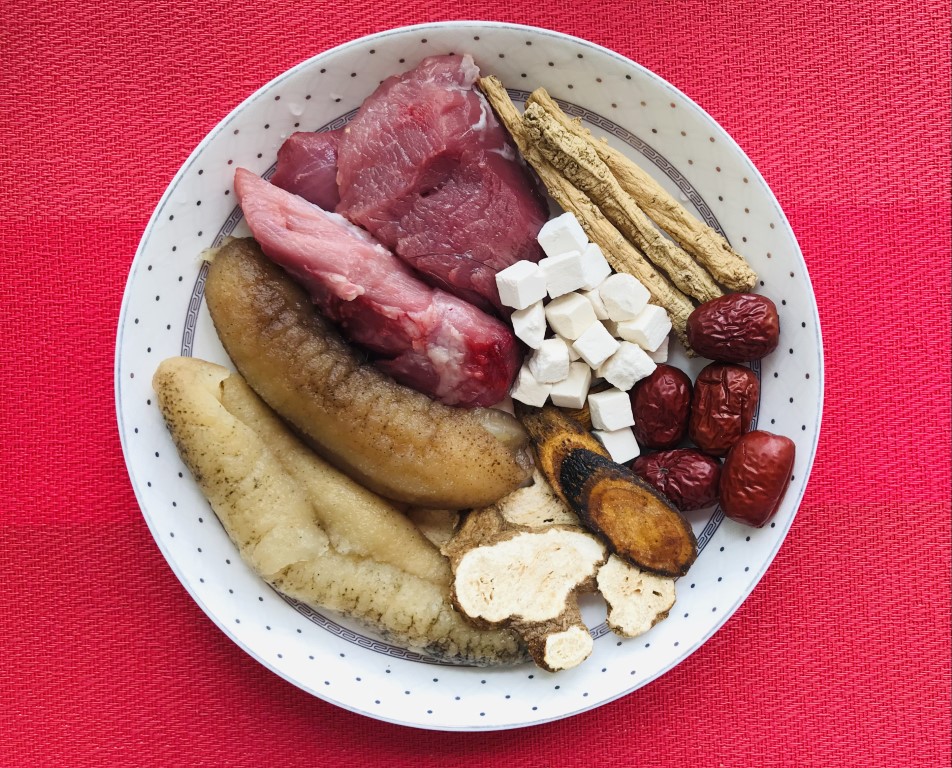
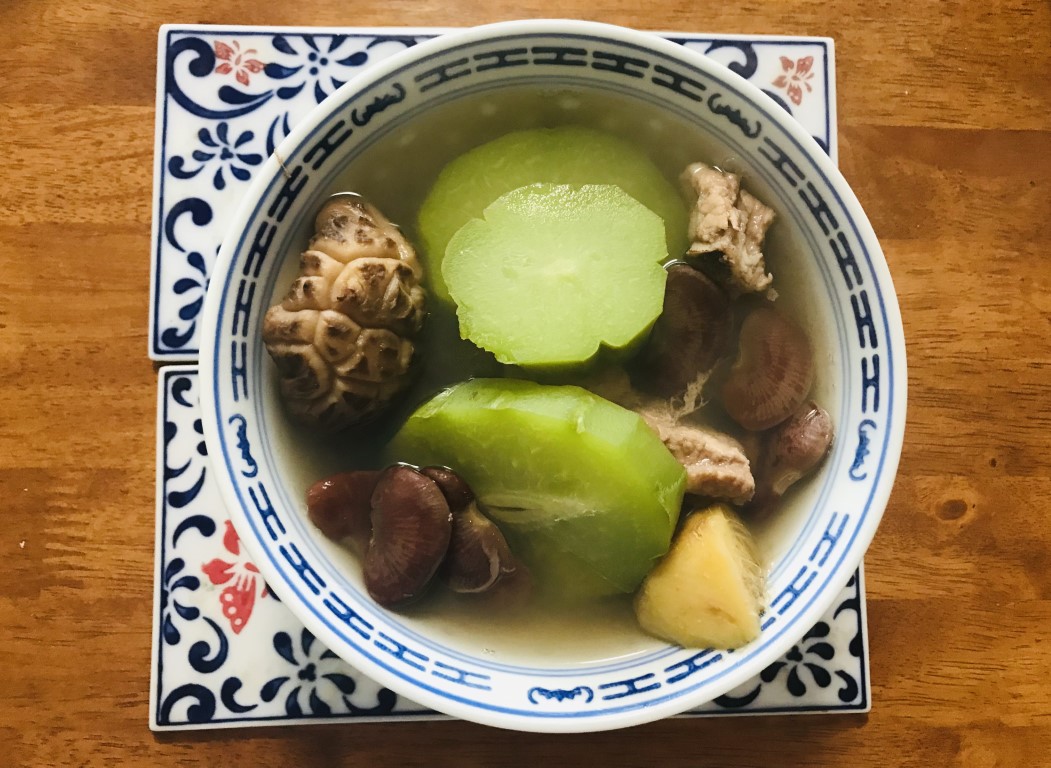
Q (reader — 阿女): My father has late-stage liver cancer and is very tired, confined mostly to bed, very dry mouth, no appetite. He drinks only tangerine peel water and a small amount of congee water. What can I make? Bro Niu: Mudfish (loach, ni qiu yu) is particularly beneficial for those with liver disease — it can be cooked with tofu, winter melon, dried figs and lean pork into a soup. Take 3 times a week. Mudfish can be tricky to clean; put them in a soup bag and drop the whole bag into boiling water for a moment first, then remove, rinse, clean and pan-fry lightly before adding to the pot. Commercially available drip-chicken essence (di ji jing) taken daily or every other day can also help improve appetite and energy.
-
Q (yan513): Is it true that cancer patients should not eat fish maw (hua jiao)? Bro Niu: Cancer patients can eat fish maw. The main caution is around scaleless fish maw (such as from eel-type fish), as scaleless fish are traditionally considered to provoke inflammation. Sea cucumber, on the other hand, is an excellent food for cancer patients — it contains substances that may inhibit cancer cell activity and is worth eating regularly.
-
Q (秀): My family member has stage 3 nasopharyngeal cancer and has had two rounds of chemotherapy. Blood test results are currently too poor to proceed with the third round. What can help? Bro Niu: You can try a daily serving of: red adzuki beans 1 liang, red-skin peanuts 2 liang, red dates 6 pieces, goji berries 3 qian — simmered in 5 bowls of water to 2 bowls. Eat some of the solid ingredients too. Take for one week and see if the blood counts improve.
Published September 29, 2020 · Adapted and translated for Nourilo from a traditional home-kitchen recipe. Approx. 4 min read.