Soups
Beetroot and Red Legume Vegetable Soup
traditionally used to nourish blood, support a healthy complexion, and strengthen memory and vitality
Why people make this soup
In Hong Kong’s high-pressure, long-hours culture, Bro Niu has noticed how many middle-aged people walk around with a pale, sallow, or lacklustre complexion — signs that, in Chinese food therapy, point to a combination of qi deficiency and blood insufficiency. The symptoms are familiar: feeling perpetually tired, getting out of breath on slopes, speaking with low energy, feeling cold, sweating without exertion, and struggling to sleep deeply. When the brain is not getting enough nourishment through the blood, dizziness, poor memory, and even hair thinning can follow.
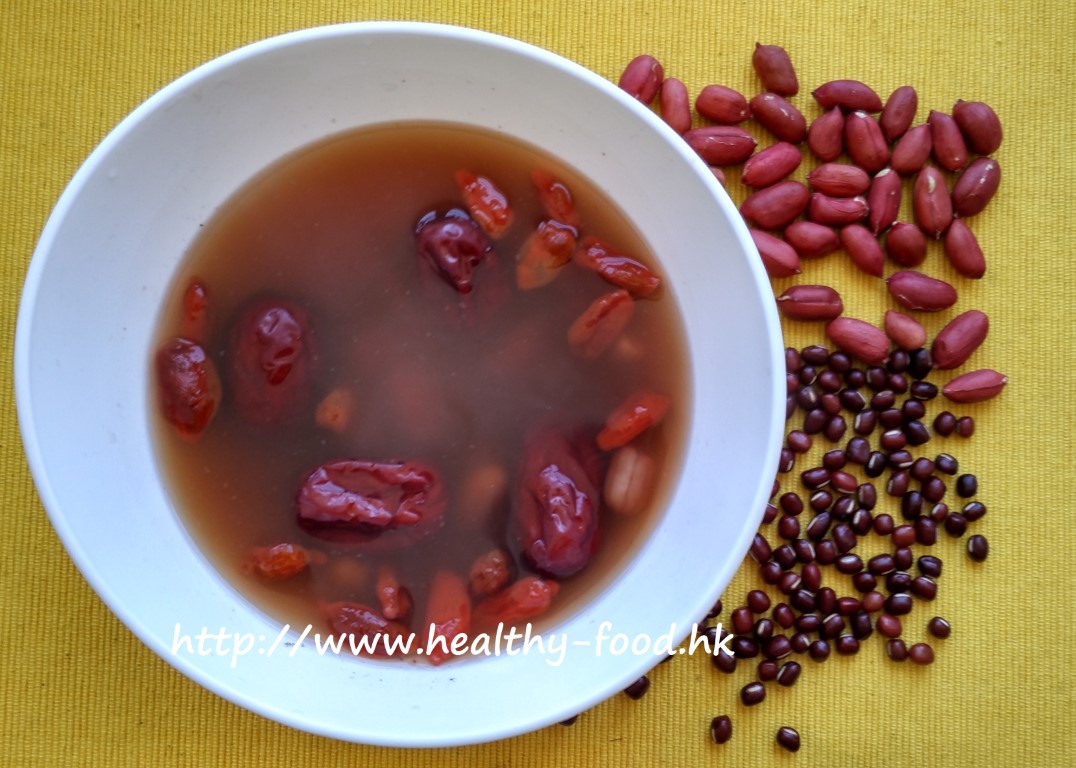
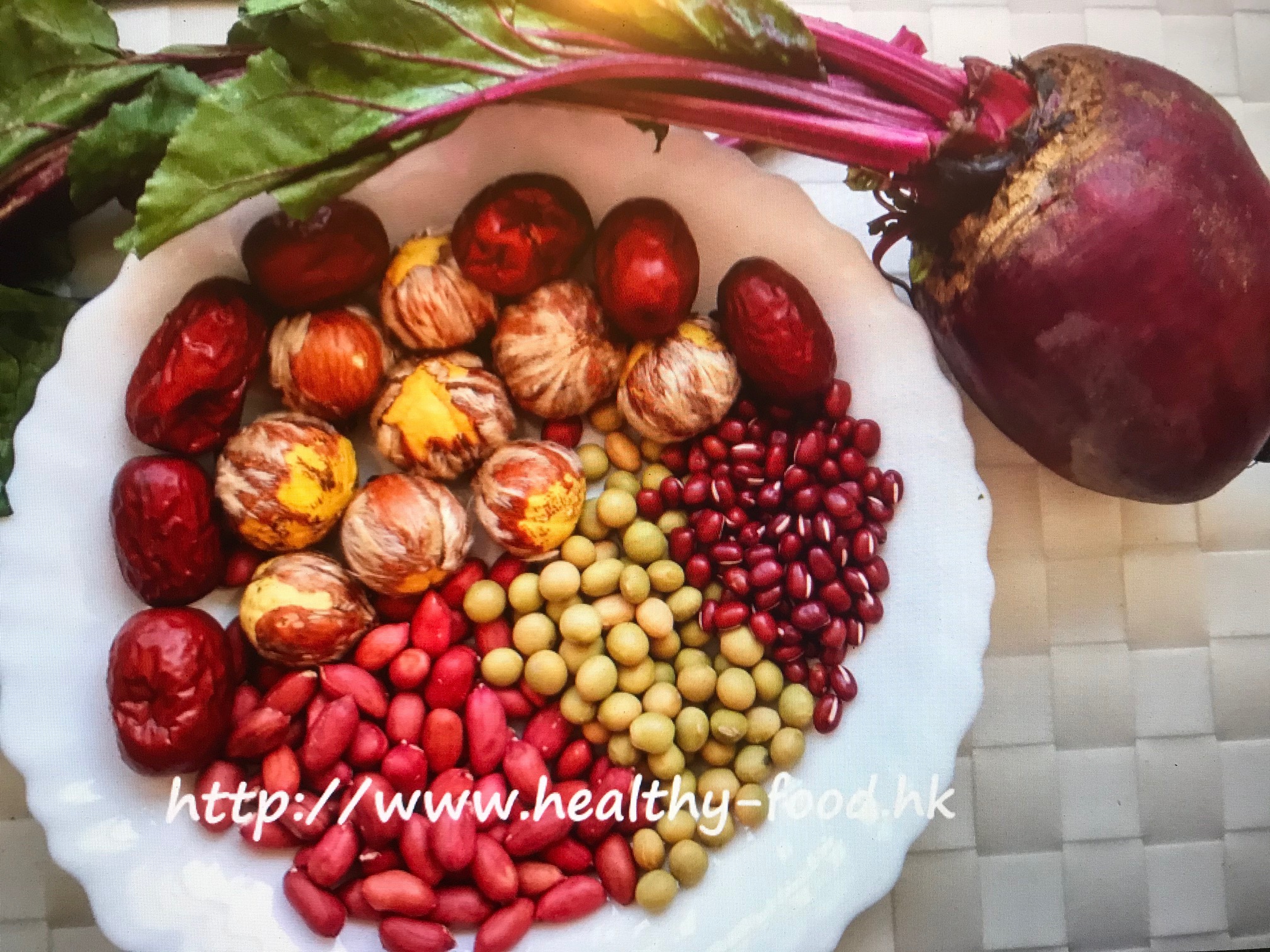
The remedy in food therapy has a simple visual logic: red foods nourish blood. Beetroot, red-skinned peanuts, red beans, red dates, and goji berries are all associated with supporting blood production in the traditional framework. Bro Niu’s soup brings all of these together in a beautiful, naturally sweet broth that is also fully vegan-friendly.
Who it suits / who should be cautious
- Particularly suited to those with anemia, a pale or dull complexion, low energy, weak limbs, constipation, or declining memory
- Pregnant women can enjoy this soup — Bro Niu suggests using a little less beetroot for early pregnancy
- The whole family can drink this soup; it is mild and pleasant
- Those with accumulated digestive stagnation or poor digestion should not overconsume — eat in moderate portions
Why these ingredients (the food-therapy logic)
- Beetroot (hong cai tou): Rich in iron and folate; in Chinese food therapy, red-coloured foods are traditionally associated with nourishing blood and supporting the heart
- Red-skinned peanuts (hong yi hua sheng): The red skin is specifically valued in food therapy for its blood-supporting properties — considered more effective than white peanuts for this purpose
- Red beans (hong dou): A classic blood-nourishing and water-regulating food in Chinese cuisine; also gently supports the heart
- Yellow soybeans (huang dou): Rich in plant protein and phytoestrogens; adds body and nourishment
- Red dates (hong zao): Perhaps the most universally used blood tonic in Chinese food therapy; sweet and warming
- Chestnuts (li zi): Warm and nourishing; traditionally support the kidneys and strengthen the legs — they also add a pleasant sweetness and texture to the broth
Ingredients (4–5 bowls)
| Ingredient | Amount | Notes |
|---|---|---|
| Beetroot | 1 medium | Peel and cut into rough cubes |
| Raw peanuts (red-skinned) | 2 liang (~75 g) | Soak and rinse |
| Red beans | 1 liang (~37 g) | Soak and rinse |
| Yellow soybeans | 1 liang (~37 g) | Soak and rinse |
| Red dates | 6 pieces | Pit before use |
| Chestnuts | 3 liang (~112 g) | Remove shell and inner skin |
| Water | 8 bowls (~2 L) |
Method
- Peel the beetroot and cut into rough cubes. Peel the chestnuts. Pit the red dates.
- Soak and rinse the red-skinned peanuts, red beans, and soybeans.
- Combine all ingredients in a large pot with 8 bowls of water. Bring to a boil.
- Reduce heat and simmer for about 1.5 hours until the soup reduces to 4–5 bowls.
- Serve warm. Drink the broth and eat all the ingredients together for the best effect.
Bro Niu’s tips
- This soup is naturally sweet and pleasant — the whole family can enjoy it regularly.
- Regular consumption is traditionally associated with supporting memory, improving complexion, and general vitality.
- Those with digestive stagnation or poor digestion should enjoy in moderate portions rather than having large servings at once.
Community questions answered (selected)
-
Q (匿名, early pregnancy): Can a pregnant woman in early pregnancy drink this soup? Bro Niu: Yes, pregnant women can drink this soup. Just use a little less beetroot — perhaps half the usual amount.
-
Q (Vian): I have two children and lately feel constantly tired, low on energy, easily cold, and sweat at night around the chest. Is there a convenient tea I can drink to help? Bro Niu: Try making an infusion with sliced astragalus root (bei qi), goji berries, sliced red dates, and schisandra berries (wu wei zi) — about a tablespoon of each — steeped for 15 minutes. Drink three times a week. This combination gently supports qi and addresses the symptoms you describe.
Published November 14, 2020 · Adapted and translated for Nourilo from a traditional home-kitchen recipe. Approx. 3 min read.