Home-Style Dishes
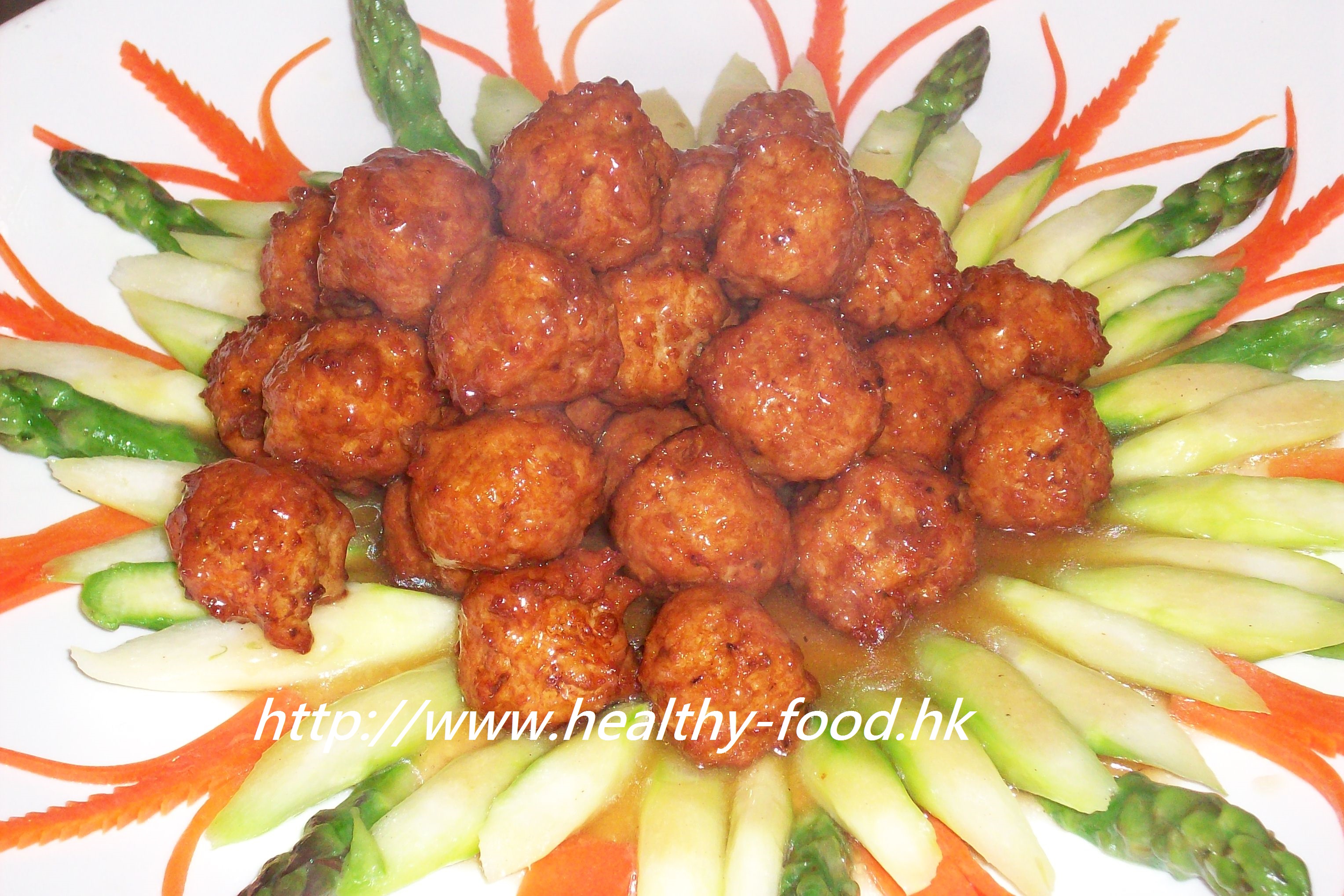
Asparagus and Chen Pi Pork Meatballs
traditionally associated with warming the middle digestive system, easing bloating, belching, and sluggish digestion
Why people make this dish
Chronic gastritis and peptic ulcers — what traditional Chinese medicine calls “stomach duct pain” — are among the most common complaints that readers bring to Bro Niu. He explains that stomach pain is rarely just a physical problem: emotional changes, weather shifts, inappropriate clothing, and poor eating habits all play a role, and these factors reinforce one another, making the condition frustratingly persistent. This recipe was one of the dishes Bro Niu taught at a culinary academy, where the academy’s head chef handled the wok. It brings together the stomach-warming properties of chen pi and ginger with the gentle nourishing quality of asparagus — a dish that supports digestion without being heavy or difficult to eat.
Who it suits / who should be cautious
- People with constitutionally cold or weak digestion — sluggish appetite, easy bloating, belching, watery-feeling stomach, cold limbs
- A gentle, family-friendly dish suitable for regular consumption
- People with excess stomach heat, stomach inflammation, or food stagnation should avoid this dish — the warming nature of chen pi and ginger is not appropriate in those patterns
Why these ingredients (the food-therapy logic)
- Aged tangerine peel (chen pi): Bitter, pungent, and warm; traditionally used to descend qi, relieve cough, transform phlegm, and warm and harmonise the stomach. A cornerstone of digestive food therapy.
- Fresh ginger (sheng jiang): Pungent and warm; warms the middle burner, disperses cold, stops nausea and vomiting, and aids the digestive process.
- Asparagus (lu sun): Sweet and mildly bitter, slightly cool; traditionally considered to strengthen the spleen and qi, moisten dryness, and generate body fluids — it provides a counterbalancing moisture to the warmth of the other ingredients.
- Carrot (hong luo bo / gan sun): Sweet and neutral; supports the spleen and stomach, descends qi, and clears heat gently — and adds colour and sweetness to the dish.
- Pork (zhu rou): Sweet, salty, and neutral; traditionally considered to moisten dryness and nourish yin — a grounding protein that carries the flavours of the other ingredients.
Ingredients (2–3 servings)
| Ingredient | Amount | Notes |
|---|---|---|
| Asparagus | 8 spears | Peel off woody lower skin; cut into sections |
| Carrot | 1 section | Cut into flower shapes or slices for garnish |
| Ground half-fat-half-lean pork | 6 liang (~225 g) | Half-fat is important for flavour and texture; all-lean will be dry |
| Dried aged tangerine peel (chen pi) | Half a piece | Soak in water until soft, then finely chop or mince |
| Fresh ginger, grated | 1 teaspoon | |
| Stock | 1 bowl (~250 ml) | Good-quality chicken or pork stock |
| Salt, light soy sauce, cornstarch | To taste | For seasoning the meat mixture and for thickening |
| Cooking oil | For pan-frying |
Method
- Soak the chen pi in warm water until soft (about 10 minutes), then drain and finely chop. Cut the carrot into decorative flower shapes. Peel the tough skin from the base of the asparagus spears and cut into sections.
- In a bowl, combine the ground pork, chopped chen pi, grated ginger, and seasoning (salt, light soy sauce, cornstarch). Mix in one direction until the mixture becomes sticky and well-combined. Shape into small meatballs.
- Heat oil in a wok or deep pan. Pan-fry the meatballs over medium heat until golden and fragrant on the outside. Remove and drain on paper towels.
- Pour off excess oil, leaving just a thin film. Add the asparagus and carrot pieces to the wok and stir-fry briefly.
- Return the meatballs to the wok. Add the stock and a little seasoning. Simmer for a few minutes until everything is cooked through.
- Thicken the sauce with a small amount of cornstarch slurry and serve.
Bro Niu’s tips
The key technique here is pan-frying the meatballs first to build flavour, then simmering them in stock — the frying gives you the crisp, aromatic exterior, and the stock-braising removes some of the warming intensity, making the dish less drying overall. This dish is specifically designed for the pattern of spleen-stomach cold deficiency — if you tend toward a hot, inflamed stomach, or have food stagnation, choose a different recipe. Enjoy with steamed rice.
Published April 22, 2015 · Adapted and translated for Nourilo from a traditional home-kitchen recipe. Approx. 3 min read.