Soups
Tomato, Seaweed and Fresh Fish Soup
traditionally associated with cardiovascular support, immune health, and antioxidant protection
Why people make this soup
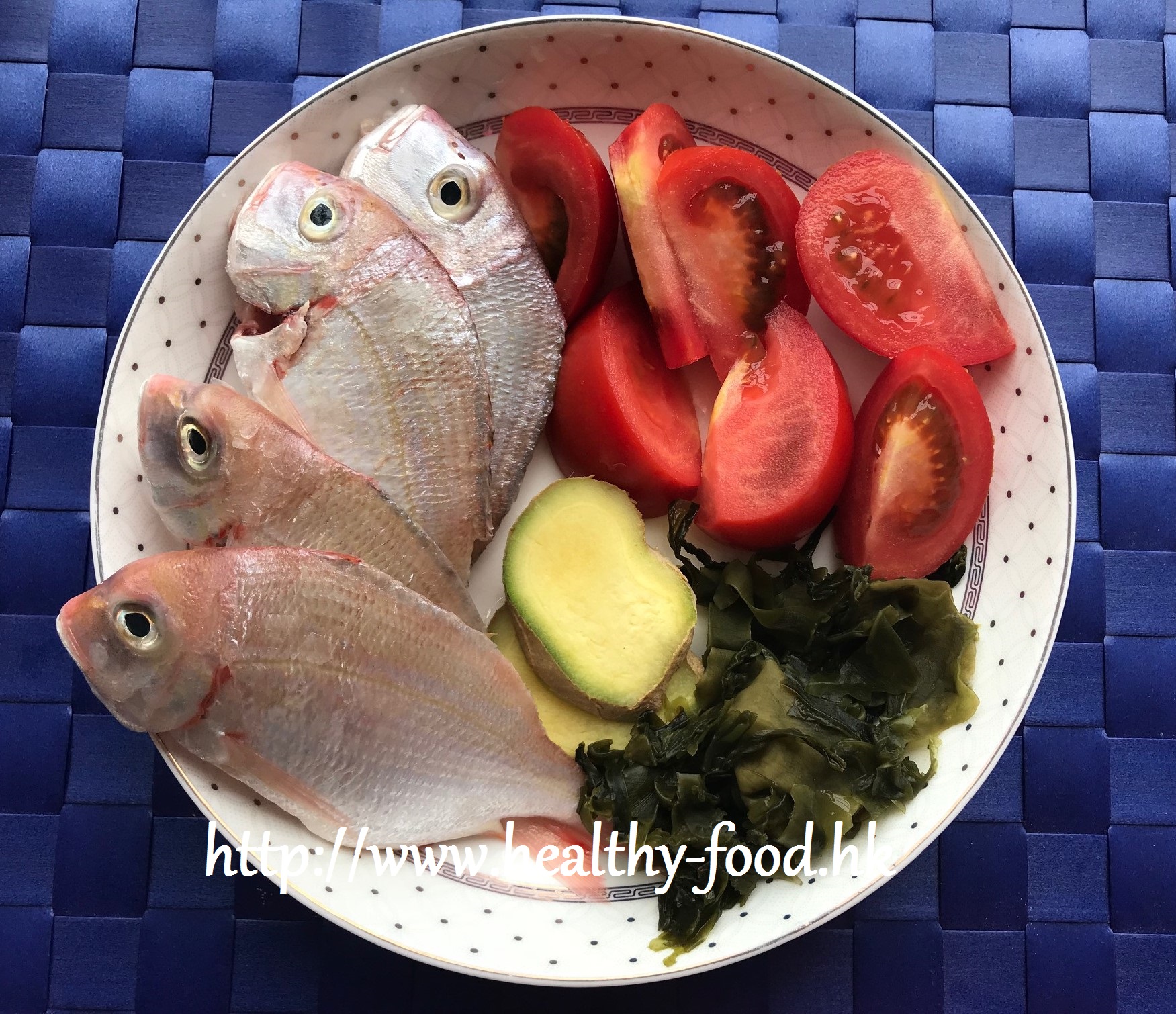
Tomatoes cooked in a little oil release significantly more lycopene than raw tomatoes — up to three times the concentration, according to research — and lycopene is one of the most potent natural antioxidants found in plants. Research has linked lycopene to reduced risk of cardiovascular disease and prostate cancer, among other health outcomes. Small fresh ocean fish — red mullet, sea bream, and similar varieties — pair beautifully with tomatoes and seaweed for a broth that is both deeply flavourful and genuinely nourishing. The ginger keeps the soup warm and balanced, and lightly pan-frying the fish before adding water is the classic technique for extracting a milky, umami-rich broth from small fish.
Who it suits / who should be cautious
- Suits people who want to support cardiovascular health, antioxidant intake, or general immune resilience as part of everyday eating.
- Particularly noted in traditional food therapy as beneficial for male prostate health.
- Also traditionally associated with supporting fertility for both men and women.
- Seaweed is cooling in nature — those with a cold constitution, or who are sensitive to cool foods, should add ginger, dried tangerine peel, or dates to warm the soup, and consume in moderation.
Why these ingredients (the food-therapy logic)
- Tomatoes (fan qie): Rich in lycopene — a fat-soluble carotenoid that becomes significantly more bioavailable when tomatoes are cooked with oil. Lycopene is associated with inhibiting LDL cholesterol oxidation, reducing cardiovascular risk, supporting immune function, and anti-ageing effects. The seeds and gel around them are also rich in nutrients and should not be discarded.
- Seaweed (hai zao, Sargassum): Contains multiple vitamins, biotin, iodine, and polysaccharides. The iodine content is associated with thyroid health and cholesterol regulation. In traditional food therapy seaweed is used to support cardiovascular health, maintain blood vessel elasticity, and support skin nutrition through healthy circulation. Seaweed is considered cooling; combine with ginger to balance.
- Small fresh ocean fish: Lean ocean fish provide complete protein and omega-3 fatty acids. Pan-frying briefly before adding water is a traditional technique that creates a naturally milky, flavoursome broth. Any small, sweet-tasting ocean fish works well — sea bream, red mullet, or similar. If preferred, a firm-fleshed fish like sea bass (shi chong yu) works beautifully and offers excellent nutrition.
- Fresh ginger (sheng jiang): Warms the soup, helps remove any fishy smell, and moderates the cooling nature of the seaweed.
Ingredients (3–4 bowls)
| Ingredient | Amount | Notes |
|---|---|---|
| Small fresh ocean fish, cleaned | 450 g (12 liang) | Any sweet-tasting small ocean fish; sea bass also excellent |
| Tomatoes, cut into chunks | 2–3 medium | No need to peel |
| Dried seaweed (hai zao), rinsed | 3 tablespoons | Seaweed (haizao) or kelp (haidai) both work |
| Fresh ginger slices | 2 slices | |
| Cooking oil | small amount | For pan-frying the fish |
Method
- Clean the fish thoroughly (the fishmonger may or may not scale and gut them for you — if not, do so at home).
- In a heavy-based pan or wok, heat a small amount of oil over medium-high heat. Pan-fry the fish until golden on both sides and fragrant.
- Cut tomatoes into chunks. Rinse seaweed briefly.
- Transfer the pan-fried fish and tomatoes to a pot. Add ginger slices and 6 bowls (about 1.2 litres) of boiling or hot water.
- Bring to a boil and cook for 20 minutes.
- Add seaweed, reduce heat, and simmer for a further 10 minutes.
- Season lightly with salt if desired. Serve hot, eating both the soup and the ingredients.
Bro Niu’s tips
The key technique is pan-frying the fish first — this step creates the characteristic milky, rich broth that makes fish soups so satisfying. Seaweed is inherently cooling; to balance this, the ginger is essential. If kelp (dried seaweed, haidai) is more readily available than sargassum (haizao), it can be used as a direct substitute. This soup is suitable for the whole family. Bro Niu also notes it is traditionally considered particularly supportive for prostate health in men, and for both partners who are trying to conceive.
Community questions answered (selected)
-
Q (Mimi): Can I substitute sea bass (shi chong yu) for the small ocean fish? Bro Niu: Absolutely — sea bass works wonderfully, with even better nutrition.
-
Q (Phoebe): Can dried kelp (haidai) replace the seaweed (haizao)? Bro Niu: Yes, dried kelp is a perfectly fine substitute.
-
Q (AA): Where can seaweed (haizao) be purchased? Is it very cooling? Bro Niu: It is available at Chinese or Asian grocers and online. Yes, seaweed is cooling — adding ginger, dried tangerine peel, or dates helps moderate this.
Published October 26, 2018 · Adapted and translated for Nourilo from a traditional home-kitchen recipe. Approx. 4 min read.