Soups
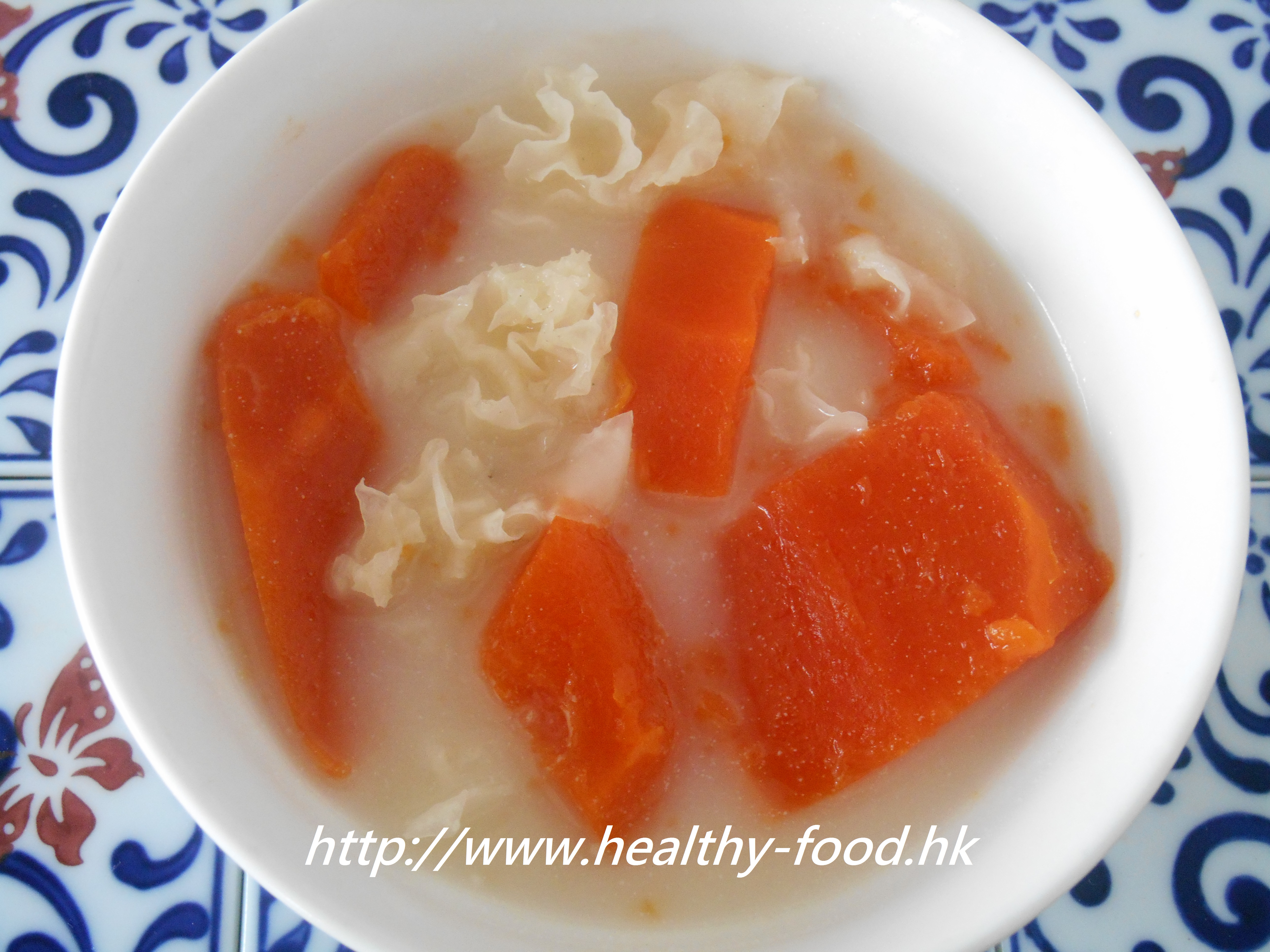
Almond Milk, Snow Fungus, and Papaya Sweet Soup
Traditionally nourishes the lungs, calms internal heat, and supports skin hydration
Why people make this soup
Late nights at work, irregular sleep, long hours in front of screens — over time, this kind of lifestyle tends to make itself visible on the skin. The complexion becomes dull and dry, fine lines appear earlier than expected, and some people notice breakouts related to internal heat and hormonal imbalance. In traditional Chinese food therapy, this pattern is often described as “liver blood deficiency with internal heat.” This sweet soup is Bro Niu’s approachable answer: almond milk for the lungs, snow fungus for deep yin nourishment, and ripe papaya for natural sweetness and skin-nourishing enzymes. It comes together in less than 30 minutes and tastes genuinely wonderful — more like a dessert than a medicinal drink.
Who it suits / who should be cautious
- Suits people who keep late nights regularly, those with dry or dull skin, dry mouth, bitter taste in the mouth, or mild internal heat
- Beneficial for anyone who wants a light, nourishing dessert that also supports skin hydration
- Pregnant women should avoid papaya — the papaya seeds and unripe papaya can cause mild uterine contraction; ripe papaya flesh is milder but Bro Niu recommends avoiding it during pregnancy out of caution
- Suitable for both adults and children in the family
Why these ingredients (the food-therapy logic)
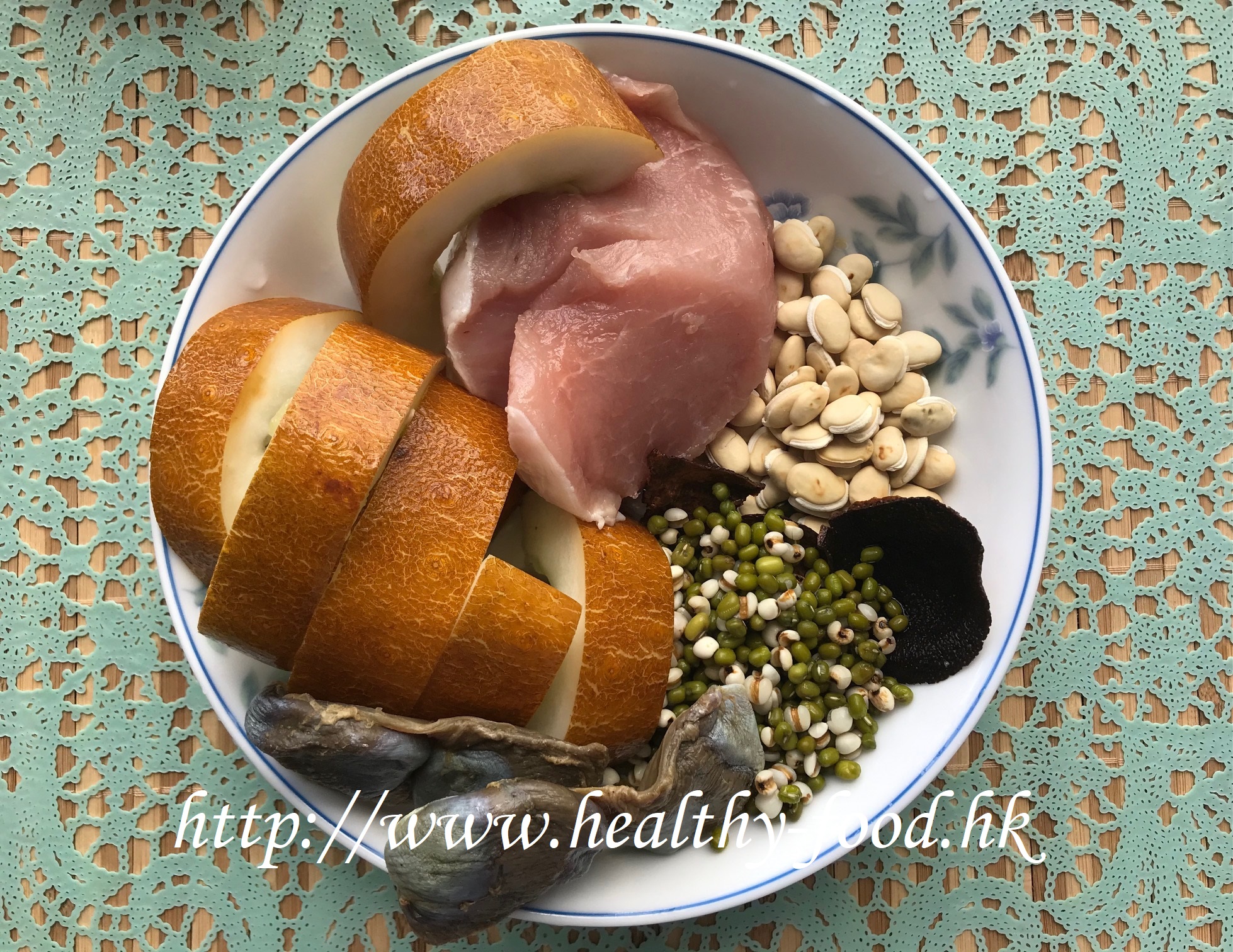
- Ripe papaya (mu gua): Ripe papaya is considered deeply nourishing for the skin in Cantonese food therapy; its natural enzymes and nutrients support skin softness and brightness; note that green (unripe) papaya has different properties — it is used in savoury soups and is associated with protecting the stomach lining
- Almond powder (xing ren fen): In this recipe, almond powder refers to the ground almond flour used as a beverage base (similar to almond milk); in traditional food therapy it is associated with moistening the lungs and easing dryness — not to be confused with bitter almonds, which are not used here
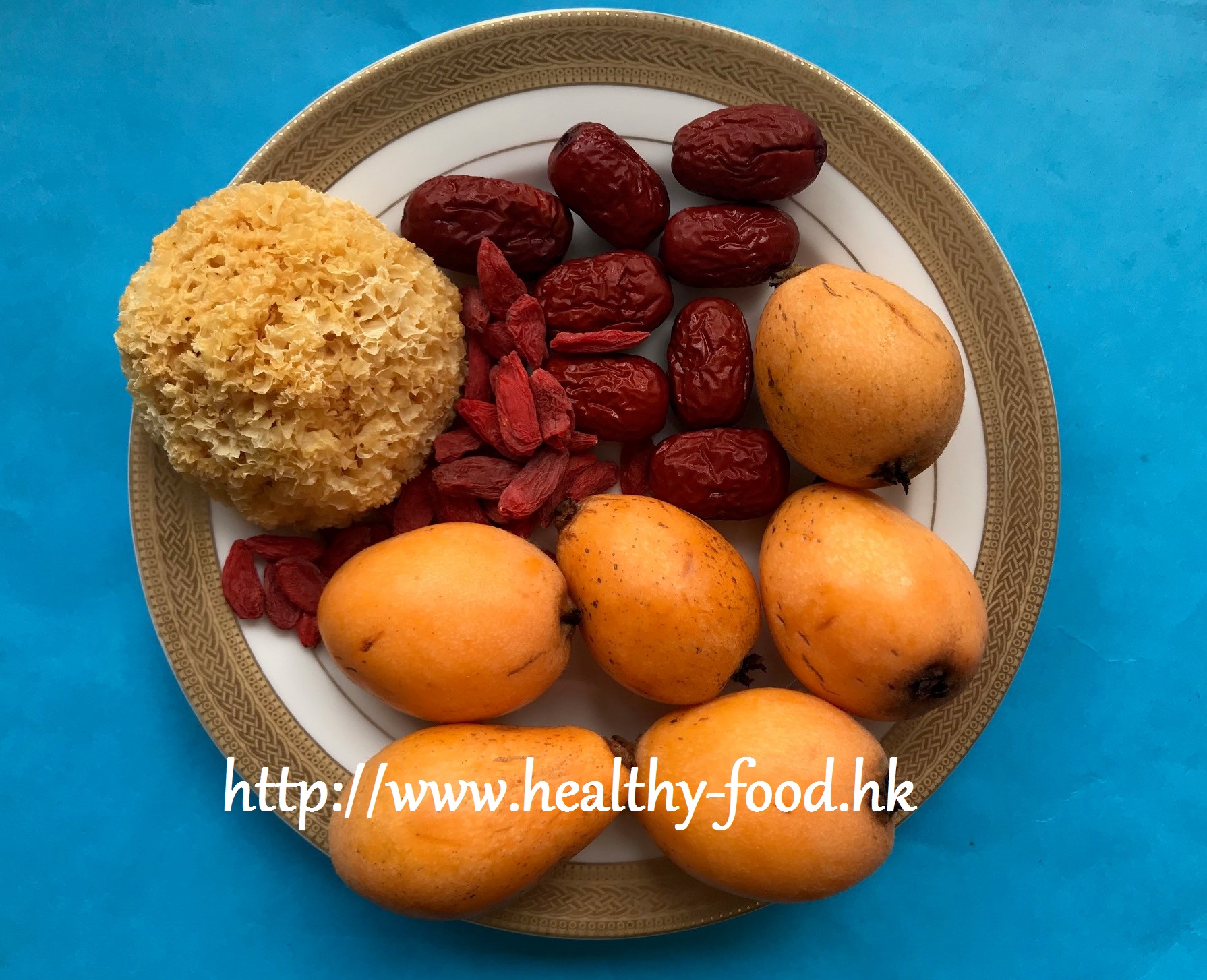
- Snow fungus / white wood ear (xue er): One of the most popular beauty-supporting ingredients in Chinese cuisine; rich in polysaccharides and often compared to collagen-supporting foods; traditionally nourishes yin, moistens the lungs, and supports skin elasticity
Ingredients (3–4 servings)
| Ingredient | Amount | Notes |
|---|---|---|
| Ripe papaya | 1 medium | Peeled, deseeded, cut into chunks |
| Almond powder (almond flour) | 1 tablespoon | Mix with 2 tablespoons hot water before adding |
| Snow fungus (dried) | ~8 g (2 qian) | Soak until soft; remove the tough stem; break into pieces |
| Rock sugar | to taste |
Method
- Soak the dried snow fungus in cold water until fully expanded and soft (30–60 minutes). Remove the tough yellow stem at the base and cut or tear into smaller florets.
- Mix the almond powder with 2 tablespoons of hot water, stirring until smooth. Set aside.
- Peel the ripe papaya, remove the seeds, and cut the flesh into chunks.
- Bring 5 bowls of water to a boil in a pot. Add the papaya chunks and snow fungus.
- Cook over medium heat for 20 minutes.
- Pour in the dissolved almond water and add rock sugar. Stir until the sugar dissolves.
- Serve warm or at room temperature. Both the snow fungus and papaya are delicious eaten as part of the soup.
Bro Niu’s tips
- The difference between green and ripe papaya matters here: green papaya (often used in Cantonese savoury soups and believed to support digestion and stomach lining) is not interchangeable with ripe papaya in this sweet soup — ripe papaya is what gives this dessert its nourishing, skin-supporting qualities.
- Papaya seeds are associated with mild uterine contraction — remove them completely before cooking, and pregnant women should avoid this soup entirely.
Published August 15, 2015 · Adapted and translated for Nourilo from a traditional home-kitchen recipe. Approx. 3 min read.