Congee & Porridge
Adenophora, Asparagus Root and Ophiopogon Congee (Sha Shen Er Dong Zhou)
Traditionally nourishes yin, moistens dryness and clears restlessness
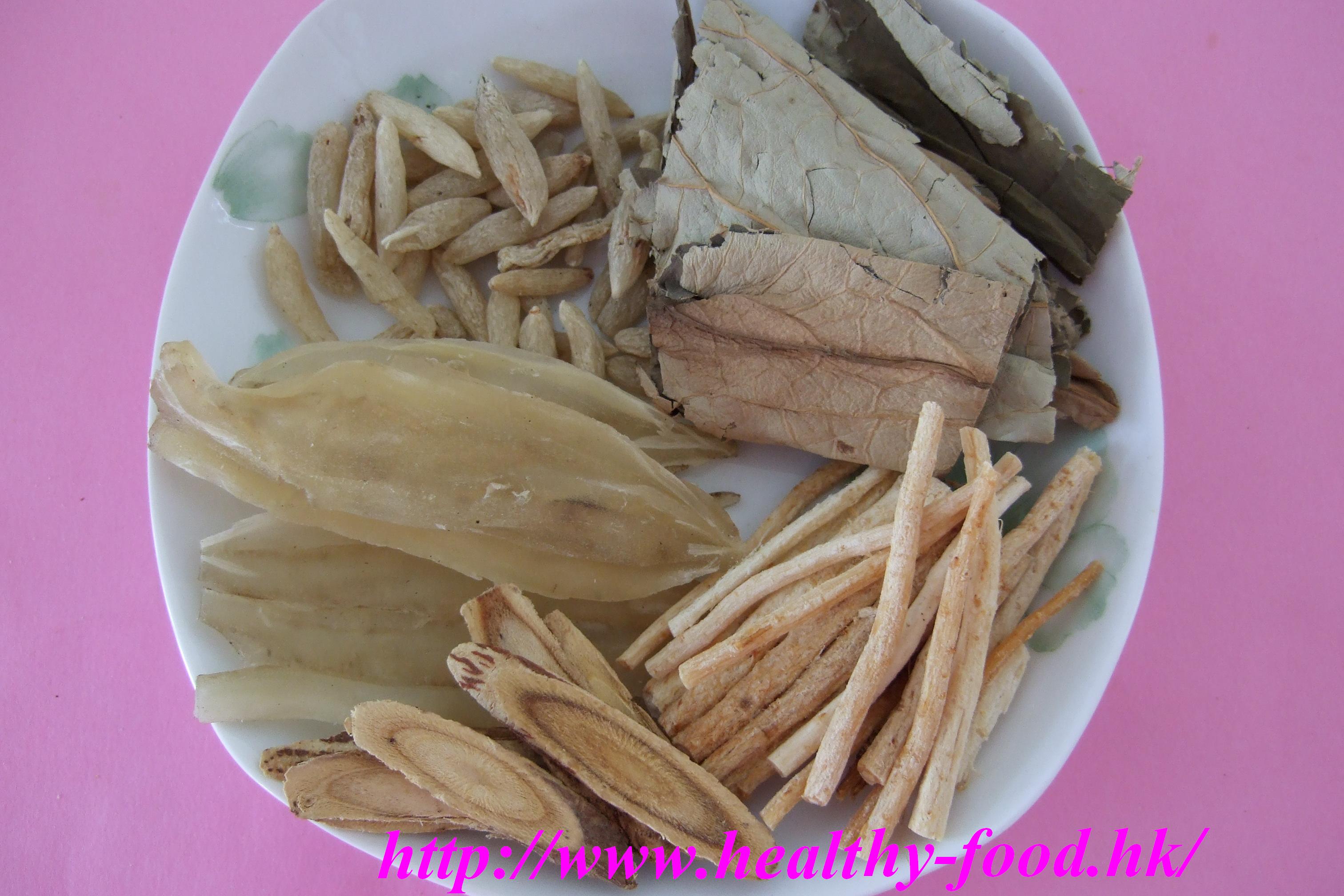
Why people make this congee
An overactive thyroid (hyperthyroidism) is an endocrine imbalance, and people living with it often feel run-down yet wired: sweating, heat intolerance, big appetite but weight loss, talkative and on edge, restless, with poor sleep, palpitations, facial flushing, trembling, warm palms and protruding eyes. This congee is traditionally taken as a gentle, cooling support — it’s associated with nourishing yin, moistening dryness and calming that inner restlessness and heat.
Who it suits / who should be cautious
- Adults seeking a cooling, yin-nourishing congee alongside their doctor’s care
- Not suitable for those with loose stools
- Those with thyroid nodules or a goitre should be guided by a doctor; please see a doctor
Why these ingredients (the food-therapy logic)
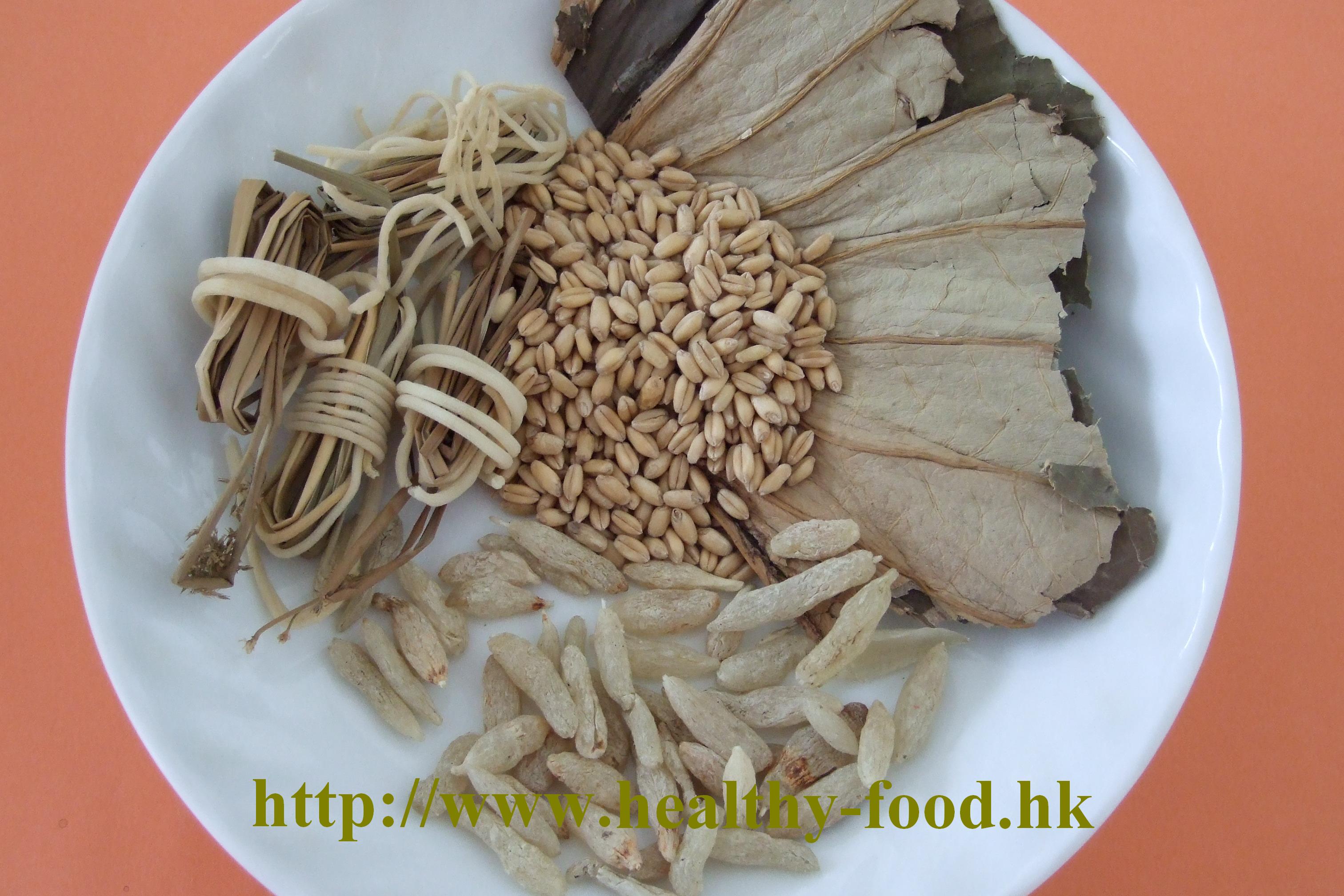
- Adenophora (sha shen): traditionally nourishes yin and moistens.
- Asparagus root (tian dong) + Ophiopogon (mai dong): the “two dong,” a classic moistening pair traditionally used to nourish yin and clear heat.
- Lotus leaf (he ye): traditionally cooling and clearing.
- Licorice (gan cao): harmonises the formula.
- White rice + brown sugar: the comforting base.
Ingredients (1 pot)
| Ingredient | Amount | Notes |
|---|---|---|
| Adenophora (sha shen) | ~19 g | Rinsed |
| Asparagus root (tian dong) | ~19 g | Rinsed |
| Ophiopogon (mai dong) | ~19 g | Rinsed |
| Lotus leaf (he ye) | ~37 g | Rinsed |
| Licorice (gan cao) | ~11 g | Rinsed |
| White rice | ~75 g | |
| Brown sugar | To taste | Added at the end |
Method
- Rinse all the herbs and simmer in 6 bowls of water down to 4 bowls.
- Strain, keeping the liquid; discard the dregs.
- Cook the herbal liquid with the white rice into a congee.
- Stir in brown sugar until dissolved. Eat as you like.
Bro Niu’s tips
This congee is nourishing, but those with loose stools should skip it. For thyroid lumps or swelling, herbs like xia ku cao (self-heal), seaweed, water chestnut and luo han guo are traditionally associated with softening lumps — for example xia ku cao with water chestnut and luo han guo in a rock-sugar water. People with hyperthyroidism should go easy on seafood and kelp.
Community questions answered (selected)
-
Q (Ka): I have thyroid nodules with a tight-throat feeling and chest pressure. Is the formula with luo han guo, sheng di, zhe bei mu, xia ku cao and chen pi too cooling? My constitution can’t take tonics or cold things — it’s so frustrating. Bro Niu: Add a bit more chen pi and some figs to the xia-ku-cao, zhe-bei-mu, luo-han-guo water and it won’t be so cooling. It’s traditionally associated with clearing liver heat and softening lumps — about twice a week.
-
Q (Mrs Little-Lamb): My mother has a benign thyroid tumour. What can she simmer? Bro Niu: Xia ku cao, luo han guo, seaweed and water chestnut are traditionally associated with softening lumps — for example xia ku cao with water chestnut and luo han guo in a rock-sugar water is helpful.
-
Q (Linda): With hyperthyroidism, besides seafood and kelp, what else should be avoided? Bro Niu: White-backed black fungus is good (soak and remove the stem). Go light on laver and kelp; fish, scallop and conch occasionally are fine.
Published October 25, 2010 · Adapted and translated for Nourilo from a traditional home-kitchen recipe. Approx. 3 min read.